
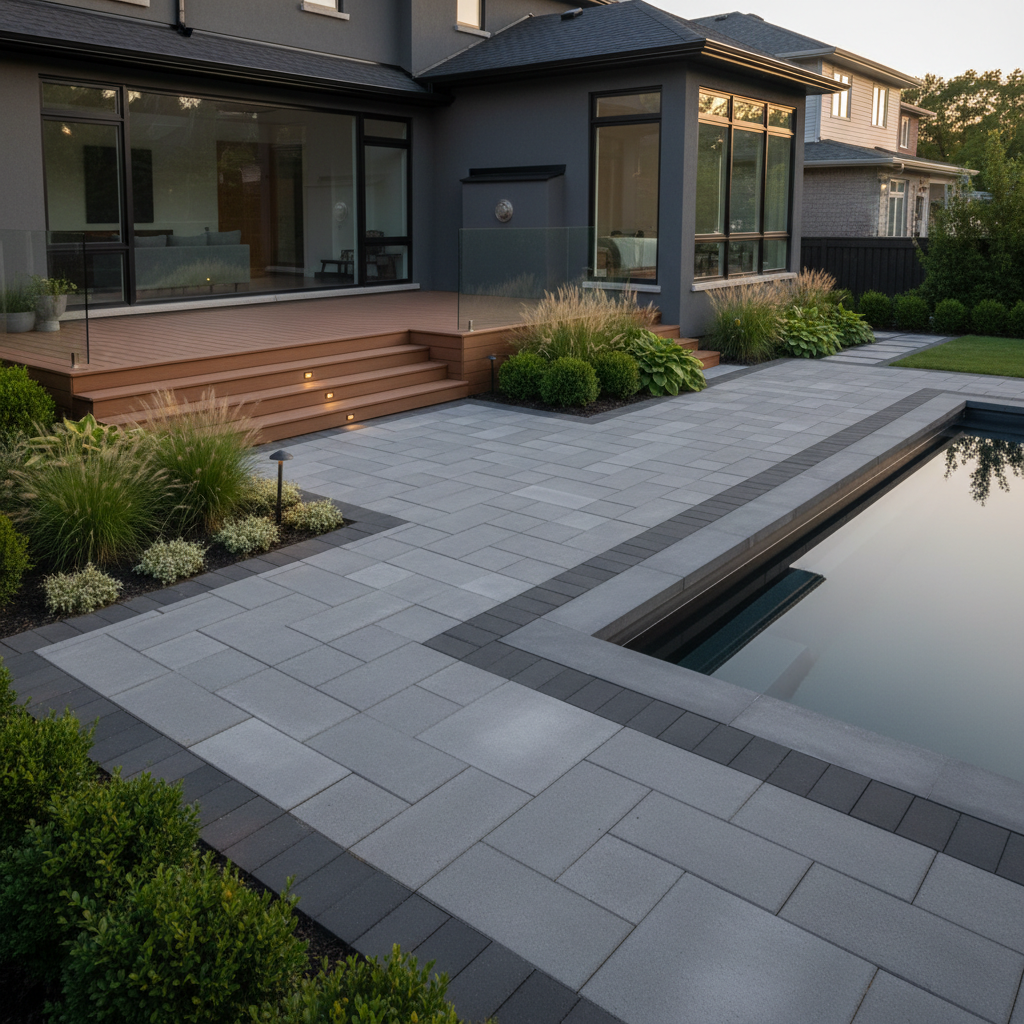
For Mississauga homeowners comparing surfaces, the answer to “interlocking patio or deck which is better” is: choose interlocking when you want ground-level durability and simple winter care; choose a deck when you need elevation and fast, flexible layouts. From our 100 Matheson Blvd E unit 202 base, we design and build both to fit your space.
By HR Greenroots Landscaping • Last updated: 2026-06-04
Overview: how to decide quickly
Pick an interlocking patio for long-lasting, low-upkeep, ground-level living and strong drainage. Pick a deck when you need elevation, faster installation over uneven grades, or a warmer underfoot feel. This guide explains structure, winter durability, maintenance, municipal rules, and design so you can choose with confidence.
This complete guide is written for Mississauga and the Greater Toronto Area. It reflects how our team integrates landscape design, interlocking & pavers, custom decks, fencing, retaining walls, sod, and stone work into one cohesive plan.
- What each surface is and how it’s built
- Climate, drainage, and winter durability factors
- Maintenance tasks that actually matter
- Design integration with sod, beds, fencing, and walls
- A side-by-side comparison table
At a glance
- Choose interlocking for patios, walkways, and pool surrounds where ground-level stability, edging, and drainage are priorities.
- Choose a deck when your door threshold sits high, grades are uneven, or you want a quick expansion of usable space above the ground.
- Blend both for tiered outdoor rooms: a deck near the door, an interlock patio for dining or a fire feature below.
Table of contents
- What is an interlocking patio vs a deck?
- Why the choice matters in Mississauga
- How the build works
- Types, materials, and approaches
- Best practices for longevity and upkeep
- Tools and resources
- Case studies and examples
- Interlocking vs deck comparison
- FAQ
- Key takeaways and next steps
What is an interlocking patio vs a deck?
An interlocking patio is a ground-supported surface built from pavers on a compacted base with edging and joint sand. A deck is an elevated platform framed in lumber or steel, supported by footings or posts. Patios excel at drainage and durability; decks excel at elevation and rapid layout flexibility.
In our projects across Mississauga, interlocking & pavers are our go-to for patios, walkways, and pool surrounds. We build them on dense, well-drained bases with clean edge control for crisp lines and long life. For decks, our team designs structures with proper footings, ledger flashing, and stable framing to feel solid underfoot year-round.
- Interlocking patio anatomy
- Excavation to remove organic soils
- Layered, compacted aggregate base with graded slope
- Bedding layer for final leveling
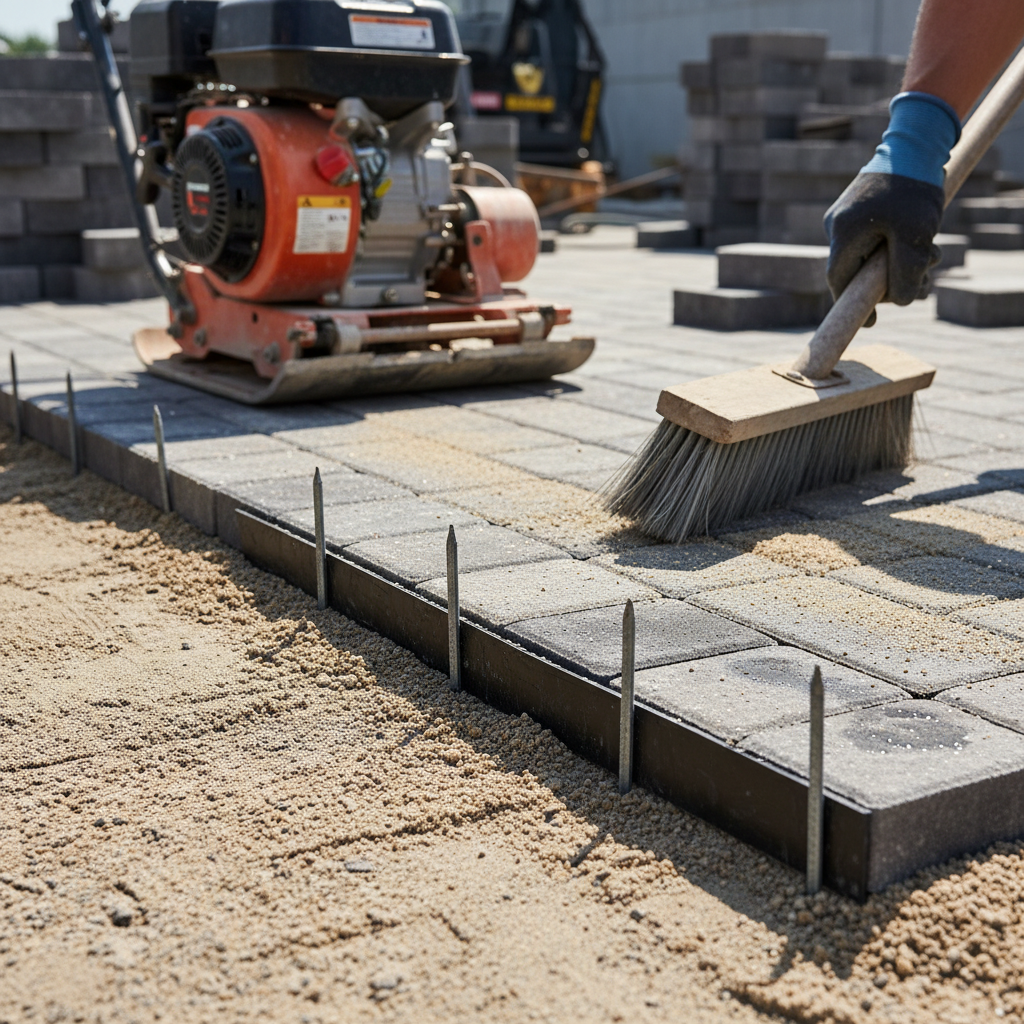
- Pavers placed in pattern; polymeric sand swept and compacted
- Edge restraints to lock the field
- Deck anatomy
- Footings or helical piles to below frost line
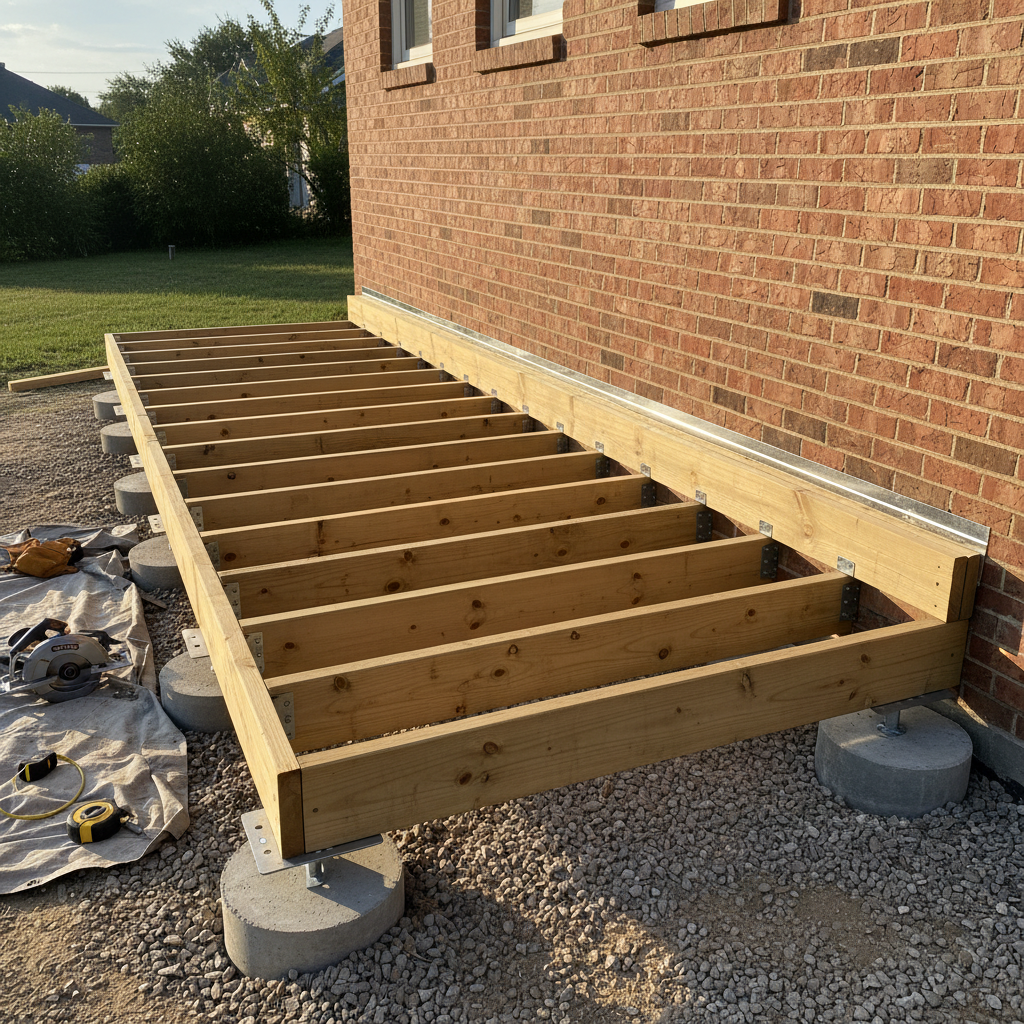
- Posts, beams, joists, and ledger (with flashing)
- Decking boards (composite or wood), fasteners, railings
- Stairs and landings where needed
When the decision hinges on day-to-day use, think of a patio as a continuation of the ground plane and a deck as a raised floor. Many Mississauga homes benefit from a hybrid: a deck at the threshold and a patio room below.
Why the choice matters in Mississauga and the Regional Municipality of Peel
Local climate, soils, and winter cycles in Mississauga and the Regional Municipality of Peel drive your decision. Patios handle freeze–thaw with a well-built base and drainage. Decks overcome steep grades and door height gaps. Permits, setbacks, and guardrail rules also influence what’s feasible on your lot.
We work in clay and mixed soils that hold water, so drainage and base prep are non-negotiable. A patio’s success comes from excavation, compaction, and slope control. A deck’s success comes from proper footing depth, ledger flashing, and stable framing. Get those fundamentals right, and both surfaces last.
- Seasonal swings
- Freeze–thaw cycles can heave poorly prepared bases. We counter with depth, compaction, and edge control.
- Winter maintenance favors interlock: shovel, brush, or use a plastic blade. Many homeowners like composite decking’s snow-shedding too.
- Lot conditions
- High door thresholds and uneven grades often point to a deck.
- Flat to gently sloped yards commonly favor an interlocking patio.
- Rules and reviews
- Municipal setbacks and sightlines affect deck height and railings.
- Ground-level patios usually proceed without structural permits; decks frequently require them.
Local considerations for Mississauga
- Plan access and staging around nearby sites like EPIC College of Technology to keep deliveries efficient during weekday traffic.
- Target spring to fall for major builds; winter is ideal for design, permits, and material selections so work starts early in season.
- For clay-heavy yards near Saigon Park, prioritize drainage layers and downspout extensions feeding to safe discharge areas.
How the build works: step-by-step for patios and decks
Patios are built from the ground up: excavate, install and compact aggregate, set pavers, lock with edging, and stabilize joints. Decks are built from the footings up: set foundations, frame with beams and joists, install decking, add railings and stairs. Quality control at each step determines lifespan.
Our design–build process keeps decisions simple and timelines tight. We coordinate sod installation, interlocking & pavers, decks, fencing, retaining walls, and stone work, so trades aren’t stepping on each other’s toes.
- Site assessment and design
- Measure thresholds, slopes, and water flows; verify utility locates.
- Decide on patio, deck, or hybrid; align with circulation and views.
- Integrate planting layers and lighting for year-round interest.
- Patio build sequence
- Excavate organics and soft soils; set subgrade slope away from structures.
- Place and compact aggregate in lifts for a dense, draining base.
- Screed bedding layer, lay pavers, install edging, compact, and sweep polymeric sand.
- Rinse and final-compact to lock joints and help resist weed growth.
- Deck build sequence
- Install footings or helical piles below frost depth; set posts and beams.
- Attach ledger with proper flashing; frame joists using appropriate hangers.
- Install decking (composite or wood); add railings, stairs, and trim details.
- Quality checks
- Compaction density, slopes, and edge restraint on patios.
- Plumb, level, fasteners, and flashing on decks.
If you want a deeper dive on planning, see our practical guide to deck services planning. For integrated layouts, we map surfaces alongside planting and circulation in our landscape design and build framework.
Types, materials, and approaches
Interlocking patios use concrete, natural stone, or porcelain pavers in patterns like herringbone or stack bond on a compacted base. Decks use composite or wood boards over framed joists with options for privacy screens, lighting, and integrated planters. Choose materials for durability, texture, and maintenance fit.
Interlocking patio options
- Paver materials
- Concrete pavers: consistent color, many textures, reliable availability.
- Natural stone: rich character; pair with armour stone steps for elevation.
- Outdoor-rated porcelain: thin profile, crisp edges, modern look.
- Patterns and borders
- Herringbone for strong interlock under dining and traffic.
- Stack bond or large-format slabs for contemporary lines.
- Contrasting borders and inlays to define rooms and pathways.
- Edge control and interfaces
- Steel or concrete edge restraints to keep lines crisp.
- Flush thresholds to doors and steps into lawn or planting beds.
Deck options
- Decking boards
- Composite: low upkeep, color-stable, smooth underfoot.
- Pressure-treated wood: versatile; finish and maintain on schedule.
- Cedar or other species: warm tone and texture; plan for seasonal care.
- Structural choices
- Footings or helical piles sized to loads and soil conditions.
- Free-standing vs. ledger-attached framing depending on house details.
- Enhancements
- Privacy screens pair well with our fence options for Mississauga.
- Integrated planters, benches, and low-voltage lighting extend use.
When decks meet grade, we often transition to an interlocking landing or walkway. That hybrid detail eases maintenance and protects high-traffic spots.
Best practices for longevity and low upkeep
For patios, focus on excavation depth, dense compaction, edge restraint, and joint stabilization. For decks, focus on footing depth, flashing, ventilation, and fastener quality. Maintain seasonally, and design with circulation, privacy, and plant layers so the space stays usable without heavy upkeep.
Patio durability tips
- Excavate beyond the patio footprint so edge restraints sit on firm base, not topsoil.
- Compact in lifts; verify slopes direct water away from foundations.
- Use polymeric sand and re-sweep joints as needed after the first season.
- Detail downspouts and sump discharge to safe outlets, not across the surface.
Deck durability tips
- Install footings below frost depth; verify bearing capacity before framing.
- Flash the ledger; leave ventilation gaps for framing longevity.
- Choose corrosion-resistant fasteners matched to materials.
- Plan clearances around posts and screens for snow management.
Maintenance rhythms
- Spring: Inspect edges, joints, railings, and fasteners; rinse debris; top up mulch.
- Summer: Light washing; check irrigation overspray; adjust planters and furniture pads.
- Fall: Sweep leaves; check drainage; trim perennials for winter readiness.
- Winter: Use plastic blades on interlock; avoid metal shovels on composites.
We build maintenance into the plan. Our seasonal maintenance planning guide outlines simple tasks so surfaces and plantings keep looking sharp.
Tools and resources
Successful projects rely on the right tools and trusted references. Use compaction equipment, straightedges, saws, and safety gear for patios; levels, fasteners, and framing tools for decks. For process refreshers, consult step-by-step guides and planning checklists before you break ground.
- Patio tools: plate compactor, hand tamper, screed rails, saw for cuts, edge restraints and spikes, polymeric sand.
- Deck tools: posthole equipment or pile installers, layout strings, levels, joist hangers, corrosion-resistant screws.
- Planning resources: design sketches, utility locates, drainage map, and a room-by-room layout for furniture and grills.
For a step-by-step refresher on interlock builds, see MWG Landscape’s paver patio walkthrough. For driveway paver performance context, review MWG’s interlock pros and cons. And for early-stage layout thinking, this planning guide for patios or walkways is a helpful pre-design primer.
Thinking hybrid? A small deck at the door plus an interlocking dining patio often delivers the best of both worlds. Book an on-site consultation and we’ll sketch options during our first visit.
Schedule with HR Greenroots Landscaping
Case studies and real-world examples
Hybrid layouts solve the most problems: a deck handles elevation at the door, while an interlocking patio adds durable room below. In our Mississauga projects, pairing both—plus privacy fencing, lighting, and planting—consistently increases weekend use and reduces maintenance headaches.
Mississauga split-level entry: deck + patio flow
A homeowner with a high back door needed safe egress and a grilling space. We designed a modest composite deck with proper ledger flashing and a wide stair to a herringbone interlock patio. Privacy fencing screened neighbors, and sod installation cleaned up the edges. Circulation improved, and snow management stayed simple.
Clay-heavy yard near Saigon Park: all-interlock durability
This site collected runoff. We cut organics, installed a deep, well-compacted base, and used contrasting borders to frame dining and lounge zones. Downspouts connected to safe outlets. The owners now sweep after storms instead of dealing with mud ruts.
Entertainer’s bungalow: large deck with interlock landings
Here, the brief called for quick build and warm underfoot feel. We framed a spacious deck with integrated planters and screens, then used interlocking landings at stair bottoms and along a walkway to the shed. The hybrid design kept high-wear spots easy to maintain.
For more on wood choices, our primer on deck wood selection helps match materials to your upkeep preferences.
Interlocking patio vs. deck: side-by-side comparison
Use this comparison to make a confident call. Interlocking patios shine for drainage, ground-level durability, and winter care. Decks shine for elevation, quick layout changes, and warm underfoot feel. If your threshold is high, lean deck; if grades are gentle, lean interlock.
Factor Interlocking Patio Deck Structure Pavers on compacted aggregate base with edge restraints Framed platform on footings/piles, joists, and decking Elevation fit Best at or near grade Ideal for high thresholds and uneven grades Drainage Excellent when base is sloped and free-draining Water sheds through boards; manage below-deck runoff Winter care Shovel/brush with plastic blade; joints stabilize surface Snow sheds; avoid harsh de-icers on certain materials Maintenance Re-sweep joints; occasional joint touch-ups Inspect framing, fasteners, railings; clean boards Permits Often not needed at grade (confirm locally) Often required, especially when elevated Integration Smooth transitions to sod, beds, and walkways Great with privacy screens and lighting Resale appeal High for tidy, low-upkeep ground rooms High for usable elevated space and flowStill torn? Our landscape planning primer explains how to right-size scope so you can phase work without redoing finished areas later.
Frequently Asked Questions
Homeowners ask about lifespan, winter performance, permits, and mixing both surfaces. Here are clear answers you can use right away. When in doubt, request an on-site assessment so we can confirm soil, thresholds, drainage, and layout needs before you commit.
Is an interlocking patio or deck better for winter in Mississauga?
For ground-level spaces, interlocking usually wins for winter: you can shovel with a plastic blade and joints help stabilize the surface. For elevated thresholds, a properly framed deck with composite boards sheds snow well. The right choice depends on grade, thresholds, and drainage.
Do I need a permit for a deck but not a patio?
Ground-level patios typically don’t require a structural permit, while decks often do, especially when elevated or attached to the house. Zoning, setbacks, and guardrail requirements also apply. We verify local rules during design so your plan is compliant.
Can I combine a small deck with a larger interlocking patio?
Yes. Many Mississauga homes benefit from a hybrid: a compact deck at the back door for smooth egress and grilling, and a larger interlocking patio below for dining and lounge. The transition is simple with steps, borders, and lighting.
Which surface is easier to maintain long-term?
Both can be low-upkeep when built right. Interlocking needs occasional joint touch-ups and sweeping. Composite decks need periodic rinsing and hardware checks. Wood decks need finishing on a set rhythm. Good design reduces maintenance for either choice.
Key takeaways and next steps
If your threshold is high or the yard is uneven, a deck is usually the best first move. If your grade is steady and you want all-season durability and simple snow care, interlocking is hard to beat. Hybrid designs often deliver the best function and flow.
- Lean interlocking for ground-level durability, drainage, and winter shoveling.
- Lean deck for elevation, quick builds, and warm underfoot feel.
- Hybrid layouts combine strengths and reduce maintenance.
- Integrate fencing, lighting, and plantings during design—not after.
Ready to see options laid out on your site plan? We’ll walk your property in Mississauga, confirm grades and thresholds, and sketch two or three layouts you can phase with confidence. Start with our integrated design–build approach or explore material choices in our deck wood selection guide.


