
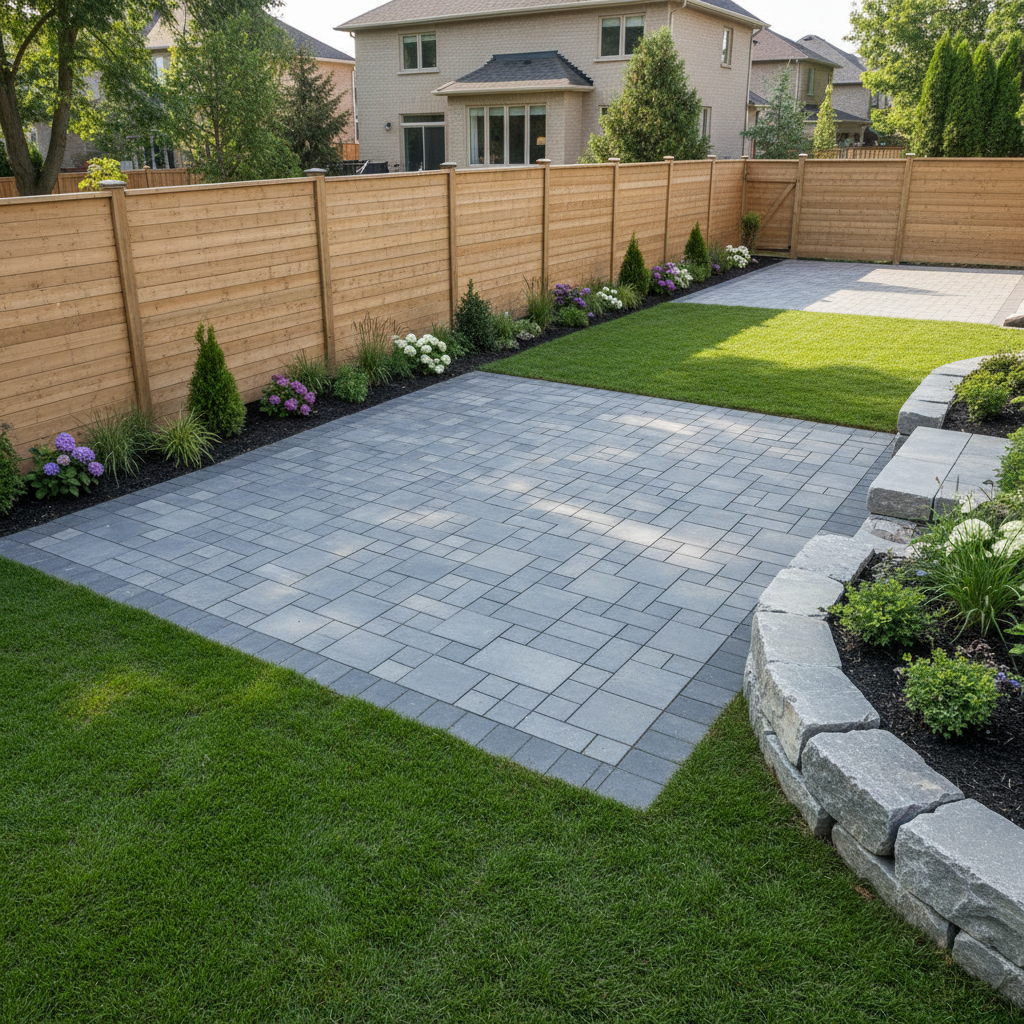
Landscape design and build is the end-to-end creation of outdoor spaces—from concept and plans to installation and maintenance. It aligns design intent with construction details so the finished yard matches the drawing. For Mississauga and the GTA, HR Greenroots Landscaping delivers this integrated approach to achieve durable, cohesive results that withstand Ontario’s seasons.
By HR Greenroots Landscaping • Last updated: 2026-04-21
Summary & Table of Contents
This guide explains how landscape design-build works in Mississauga and the GTA, why it leads to better outcomes, and the exact steps HR Greenroots follows—from site analysis and planning to precise base prep, grading, and plant layering—so your outdoor space looks sharp on day one and stays practical for years.
Use this complete, practical reference to plan a long-lasting landscape for Ontario conditions. We cover scope, steps, materials, and maintenance-minded choices tailored to HR Greenroots’ real services.
- What landscape design-build means, in plain language
- Why design-build outperforms disconnected design and install
- Step-by-step process we use in Mississauga and the GTA
- Core project types: sod, interlocking pavers, decks, fences, retaining walls, stone work, sheds, driveway extensions, garden suites, and beds
- Best practices for drainage, base prep, and planting layers
- Tools, checklists, timelines, and quality-control milestones
- Mini case examples drawn from real Ontario properties
Local considerations for Mississauga
- Plan grading with winter runoff in mind and keep water flowing away from foundations; freeze–thaw cycles make solid base prep non-negotiable.
- Target installation windows: spring and early fall are prime for sod and planting; summer favors hardscapes; reserve early fall for major deck and fence posts.
- Choose salt-tolerant, zone-appropriate plants near driveways and walkways, and use polymeric sand and edge restraints to manage deicing impacts.
What Is Landscape Design-Build?
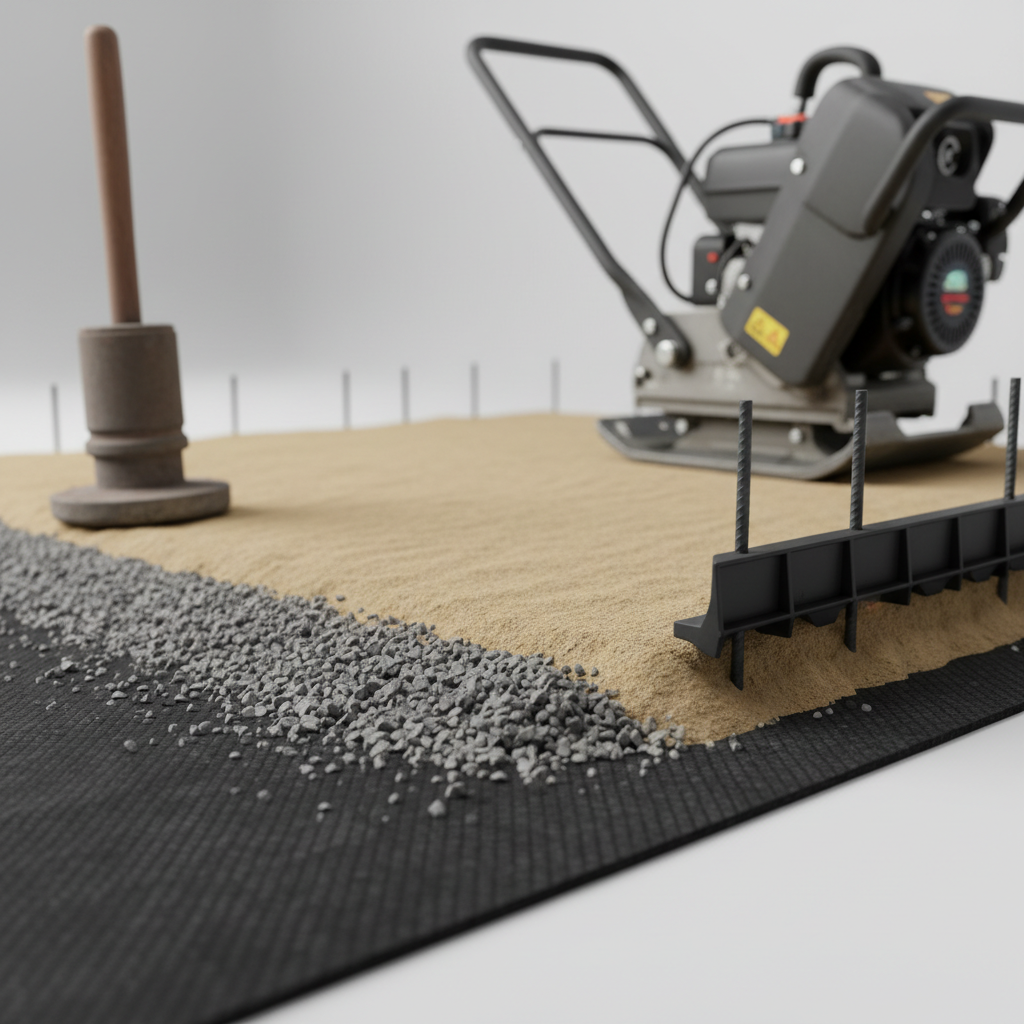
Landscape design-build unifies planning and construction under one accountable team. Designers and builders collaborate from day one, aligning drawings, materials, base prep, grading, and planting so the finished space matches the plan, functions smoothly, and remains easy to maintain in Ontario’s climate.
At HR Greenroots Landscaping, design and construction live under one roof. That means drawings reflect practical build realities—soil conditions, drainage, base depths, and planting layers—so crews install exactly what was specified.
- Single point of accountability: One team owns the design intent and the finished build.
- Reduced hand-off risk: No gaps between drawings and field conditions.
- Faster decisions: Materials, patterns, and elevations are aligned in real time.
- Maintenance-minded choices: Plant selections, edge control, and access paths are planned for long-term care.
- Consistent quality: The same standards apply from layout through final compaction and clean-up.
For homeowners and managers of larger properties, this approach eliminates rework, surprise constraints, and mismatched finishes—and it creates spaces that stay sharp beyond the first season.
Why Design-Build Matters in the GTA
Design-build matters because Ontario’s freeze–thaw, salt, and storm events stress every outdoor surface. A unified team plans the right base depths, water flow, and material transitions up front, reducing failures like heaving pavers, pooling water, and washed-out beds.
The GTA climate is demanding. Surfaces see repeated freeze–thaw cycles, summer heat, and deicing salts. When the same team designs grading and installs base layers, you avoid mismatches that cause early movement.
- Durability first: Consistent base prep and edge restraint across patios, walks, and driveways.
- Drainage baked in: Slopes, swales, and downspout routes are defined at the plan stage.
- Planting structure: Layered beds with hardy, Ontario-appropriate species deliver year-round interest.
- Usability and flow: Paths and steps align with real circulation patterns to reduce lawn wear.
- Cohesive look: Material palettes balance movement and clean lines for curb appeal.
We bring a maintenance-first mindset: mulch choices, bed edges, and access points are planned so weekly care is easier and faster.
How the Design-Build Process Works (Step-by-Step)
The process moves from discovery and site analysis to concept, final plan, and build. HR Greenroots then executes base prep, grading, hardscapes, structures, planting, and finishing. Each stage includes checkpoints for drainage, elevation, and edge control to ensure long-term performance.
Here’s the proven, field-tested sequence we use across Mississauga and the GTA:
- Discovery & goals: Clarify priorities: curb appeal, usable space, privacy, storage, or parking.
- Site analysis: Measure grades, soil, shade, utilities, and water routes.
- Concept design: Draft layout with circulation, zones, and materials.
- Technical plan: Elevations, base depths, edge restraint, and drainage details.
- Pre-build prep: Scheduling, material ordering, and utility locates.
- Base & grade: Excavation, compaction, geotextile, and water management.
- Hardscapes & structures: Interlocking pavers, decks, fences, retaining walls, and stone features.
- Planting & sod: Soil amending, bed edges, layered plants, and premium sod installation.
- Finishing: Polymeric sand, cleanup, walkthrough, and maintenance briefing.
Our crews document grades and compaction passes, then set edge restraints before final sand and joint lock—practices that protect against migration and heave.
Project Types, Methods, and Approaches
HR Greenroots covers the full site: sod installation, interlocking pavers, decks, fences, retaining walls, stone work, sheds, driveway extensions, garden suites, mulching, and garden beds. Each scope follows Ontario-specific base prep, drainage, and planting standards for longevity and clean lines.
Sod installation and lawn replacement
- Soil prep: Remove tired turf, amend soil, and correct grade for runoff.
- Edge definition: Crisp transitions along walks and beds for a tidy look.
- Premium sod: Freshly cut rolls set tight with staggered seams and full watering plan.
Example: A Mississauga front yard with uneven patches gained an even, green surface and better drainage after regrading and premium sod installation.
Interlocking pavers: patios, driveways, walkways, pool surrounds
- Base prep: Excavation, geotextile, compacted granular base, bedding sand.
- Edge restraint: Secure borders prevent paver movement and joint failure.
- Joint lock: Polymeric sand resists washout and limits weed growth.
Example: A walkway redesign used subtle curves for flow, set on a well-compacted base with polymeric joints that stand up to deicing salts.
Deck services
- Structure: Proper footings and framing for composite or wood decking.
- Access & safety: Steps and railings sized for comfort and code alignment.
- Integration: Smooth transitions from deck to pavers or lawn for circulation.
Example: A compact backyard deck tied into a paver patio, creating a single, multi-use surface with evening lighting.
Fence installation
- Privacy and security: Cedar or pressure-treated panels with solid posts.
- Line and grade: Consistent height across slopes with clean post spacing.
- Gates and access: Hardware and swing clearance planned with traffic in mind.
Example: A side-yard privacy run reduced street view and buffered wind without crowding planting beds.
Retaining walls and grade control
- Stability: Proper base, drainage stone, and geogrid where needed.
- Water relief: Weep paths and backfill promote controlled drainage.
- Finishes: Armour stone steps and caps for durable, natural accents.
Example: A sloped backyard gained usable lawn and a level patio with a low wall that redirects water into a planted swale.
Stone work and features
- Armour stone: Steps, borders, and accents that complement interlock.
- Natural integration: Stone massing balances planting depth and movement.
- Edge control: Clean cuts and restrained joints keep lines crisp.
Example: A front entry used broad armour stone steps to create a welcoming, slip-resistant rise to the door.
Garden shed planning
- Pad and base: Level, compacted base supports and sheds water.
- Circulation: Paths to doors sized for carts and seasonal storage.
- Screening: Fence or planting positions hide bulk while keeping access clear.
Example: A small shed tucked behind a fence corner solved clutter without crowding the entertaining zone.
Driveway extensions
- Widening: Match materials and patterns for a seamless look.
- Base depth: Built for vehicle loads with proper compaction.
- Water management: Maintain crossfall and curb drainage.
Example: A narrow front drive added a paver apron for cleaner parking and better curb appeal.
Garden suites and outdoor rooms
- Zoning: Define cooking, dining, lounging, and play zones with clear edges.
- Lighting: Path and accent fixtures boost safety and ambiance.
- Plant layering: Structure with shrubs and perennials for four-season interest.
Example: A cozy lounge zone with low retaining edges and soft plant screens made a small yard feel larger and more private.
Mulching and garden beds
- Soil health: Compost and mulch improve moisture retention and weed control.
- Edge definition: Steel, aluminum, or paver edging for clean bed lines.
- Color rhythm: Ontario-appropriate species stagger seasonal color and texture.
Example: Refreshed bed edges and mulch cut weekly trimming time and kept soil temps steadier through hot spells.
Best Practices for Durable, Low-Maintenance Results
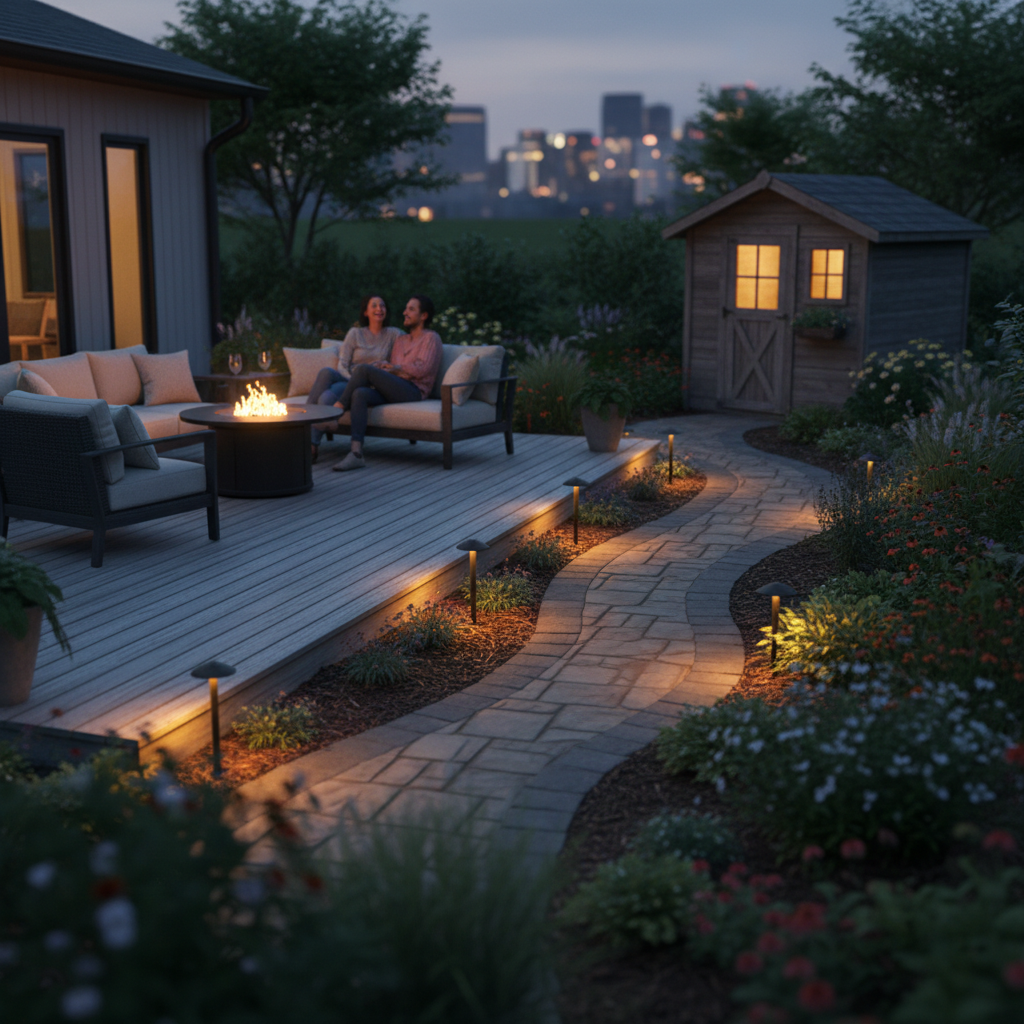
Durability starts below the surface. Prioritize compaction, edge restraint, drainage, and plant-layer structure. Establish clear bed edges, route water away from foundations, and specify salt-tolerant, zone-appropriate plants. Finish with polymeric joints and a practical care plan to keep the space easy to maintain.
Subsurface and drainage
- Compaction counts: Multiple passes at proper moisture content prevent settlement.
- Geotextile fabric: Separates native soil from base to limit migration.
- Controlled runoff: Swales and catch areas guide water to safe outlets.
Edge control and finishes
- Edge restraints: Secure pavers to stop lateral drift and joint failure.
- Polymeric sand: Locks joints, resists washout, and helps deter weeds.
- Clean cuts: Precise saw work and pattern layout elevate the finish.
Planting structure
- Layering: Trees for height, shrubs for structure, perennials for texture and color.
- Spacing: Allow mature spread to avoid overcrowding and maintenance spikes.
- Mulch depth: Maintain a consistent layer to stabilize soil temps and retain moisture.
Our builds balance movement and planting depth with clean lines and durable materials—an approach that has earned verified reviews and a high client rating.
Tools, Checklists, and Resources
Use a simple tool set—measuring, layout, compaction, and cutting—paired with checklists for grades, base depths, and edge restraint. Supplement with educational resources on interlocking methods, design planning, and regional project guidance for Ontario properties.
Field tools we rely on
- Layout: Tape, string lines, levels, and stakes for precise elevations.
- Earthwork: Shovels, rakes, wheelbarrows, and compactors.
- Cutting & finishing: Saws, hand tampers, and plate compactors.
Quality-control checklist (save this)
- Confirm utility locates before any digging or post-setting.
- Record target slopes away from structures and verify with a level.
- Document base depth and compaction passes for each surface type.
- Set and secure edge restraints before final jointing.
- Water-in sod thoroughly and follow a staged watering schedule.
For background reading on Ontario interlocking methods and regional planning ideas, see this practical interlocking overview for Ontario, a concise design planning guide, and this regional design reference.
Free site walk-through: If you’re in Mississauga or the GTA, we’ll assess grades, planting structure, and hardscape options, then outline a right-sized plan you can execute with confidence.
Mini Case Studies and Real-World Examples
Good design-build ties layout to construction details. These quick examples show how base prep, drainage, and planting structure solve familiar Mississauga and GTA problems—thin lawns, awkward circulation, slope, and storage—while elevating curb appeal and everyday use.
Front-yard upgrade with sod and walkway flow
- Problem: Patchy turf and a narrow, zig-zag walkway with pooling water.
- Solution: Regrade for runoff, lay premium sod, and replace the path with a gentle-curve paver walk set on a compacted base with edge restraint.
- Result: Smoother circulation, even lawn growth, and a noticeable curb-appeal lift.
Backyard transformation with deck–patio integration
- Problem: Small, isolated deck and muddy lawn at the base of stairs.
- Solution: New composite deck aligned to a paver patio, with drainage stone under steps and polymeric joints throughout.
- Result: One connected living area with dry footing and easy maintenance.
Retaining wall to reclaim usable lawn
- Problem: Steep slope making mowing difficult and causing soil loss.
- Solution: Low retaining wall with back-drain and geogrid where needed; armour stone steps for access.
- Result: Level play area and stable planting beds that hold through storms.
Side-yard privacy fence with clean lines
- Problem: Street exposure and noise near a side entrance.
- Solution: Cedar privacy panels with consistent post spacing and a modest screening bed.
- Result: Quieter, more private entry with a tidy, finished look.
Frequently Asked Questions
These quick answers cover how design-build works, timelines, winter readiness, and how to keep your new landscape looking sharp. Each response is direct, practical, and aligned with the way HR Greenroots executes projects in Mississauga and the GTA.
What does “landscape design and build” include?
It covers your project from planning to installation. We handle site analysis, layout, materials, base prep, grading, drainage, hardscapes and structures, planting, and sod. One team owns the drawings and the finished result, so what’s built matches the plan.
How long does a typical project take?
Timelines depend on scope and season. Many front-yard makeovers finish in a few days, while full backyard transformations can span multiple phases. We sequence work to Ontario weather and confirm milestones at the start.
How do you ensure pavers don’t shift or heave?
We excavate to the right depth, separate soil with geotextile, compact base layers at proper moisture, install edge restraints, and finish with polymeric sand. Consistent compaction and drainage are the keys to long-term stability.
What makes your approach low maintenance?
We design for upkeep from day one: clear bed edges, salt-tolerant plants, practical access routes, and surfaces that drain and clean easily. You get a tidy space that stays functional through Ontario’s seasons.
Conclusion, Key Takeaways, and Next Steps
Design-build brings drawings and construction together so Ontario landscapes look intentional and last. With solid bases, drainage, and planting structure, your yard stays sharp beyond the first season. The best time to start is before problems show—plan ahead and build it right.
Key takeaways
- Unify design and construction to avoid mismatches on site.
- Invest attention in base prep, drainage, and edge restraint.
- Choose layered, zone-appropriate plants and define clean bed edges.
- Sequence work with Mississauga’s weather to protect quality.
- Document slopes, base depths, and compaction for long-term performance.
Ready to plan a landscape that lasts? If you’re in Mississauga or the GTA, book a site walk-through and we’ll outline a right-sized plan tailored to your property.


