
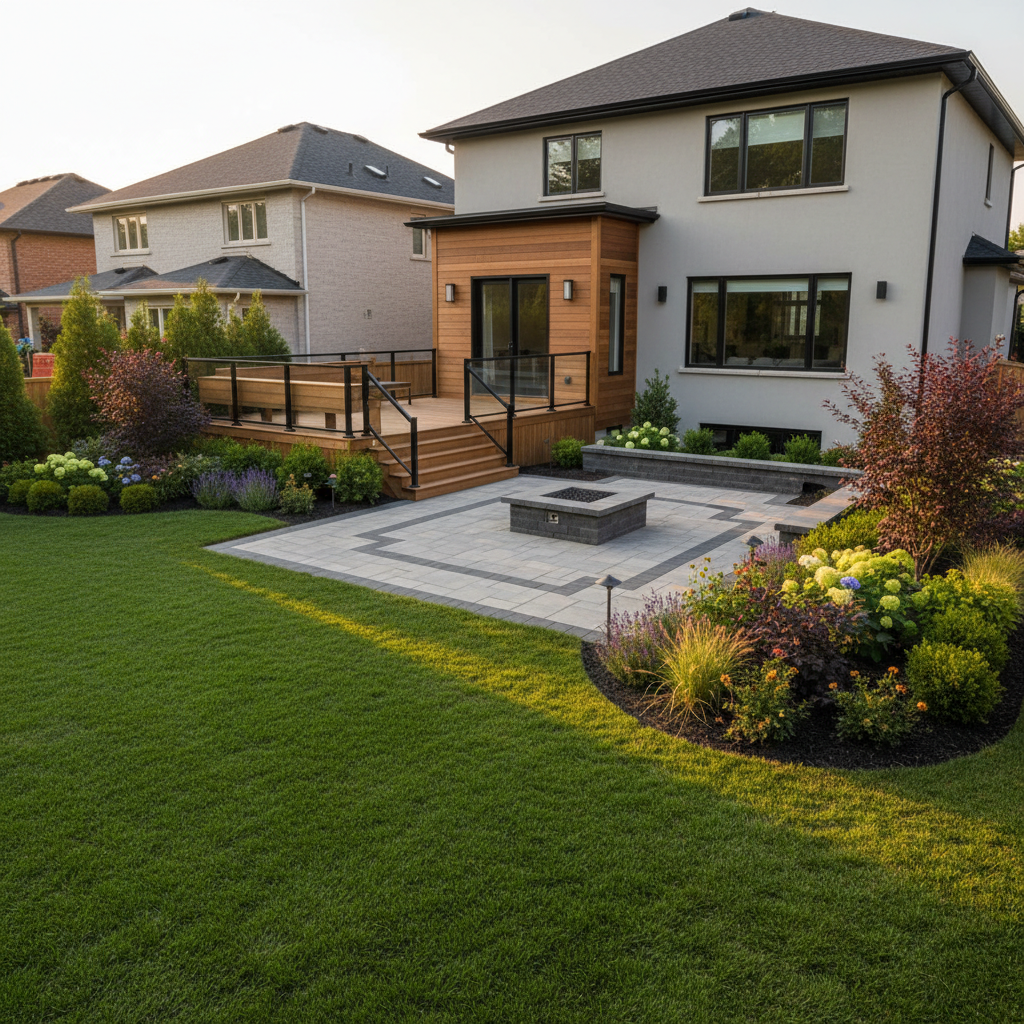
Mississauga landscape design cost refers to the factors that shape your total investment—from site conditions and permits to materials and maintenance planning. At our 100 Matheson Blvd E unit 202 office, HR Greenroots Landscaping scopes projects in phases so Mississauga homeowners understand value drivers without surprises.
By HR Greenroots Landscaping — hrgreenrootslandscaping.com
Last updated: May 22, 2026
Above-Fold: Understanding Mississauga Landscape Design Costs
Landscape design costs in Mississauga are driven by site complexity, permitting, structural elements, material selections, and phasing. Clarifying use-cases and constraints early prevents redesigns and change orders. A structured design-build process reduces risk, focuses spending on priorities, and helps your yard work well in all seasons.
Here’s the thing: a beautiful plan that ignores grading, traffic flow, or snow storage gets expensive to maintain. We align concept, engineering, and build logistics so your investment serves daily life and winter realities.
Quick Summary
Plan your Mississauga landscape in phases: assess the site, define goals, select durable materials, and validate drainage. Use a design-build partner to coordinate permits, engineering, and construction details so spending maps to long-term performance, not just day-one photos.
- Scope first: Separate must-haves (access, safety, drainage) from nice-to-haves (features).
- Right materials: Choose interlock, wood, and plant species that handle freeze-thaw.
- Build for upkeep: Edging, grading, and mulch reduce future labor.
- Coordinate approvals: Check setback, tree protection, and utility locates before design lock.
- Phase smartly: Tackle undergrounds and grading before finishes.
What Is Landscape Design?
Landscape design is the technical and aesthetic planning of outdoor space—aligning circulation, grading, structures, and planting to support how you live. In Mississauga, good design anticipates freeze–thaw cycles, drainage, and snow loads while creating cohesive, low-maintenance spaces.
At HR Greenroots Landscaping, design includes base preparation standards, edge control, structured planting layers, and a buildable plan. It’s not just drawings; it’s the blueprint for durability and day-to-day usability.
- Site analysis: Light, soil, grade, and utilities mapped early reduce rework later.
- Circulation planning: Walkways sized for strollers, bins, and winter boots improve daily flow.
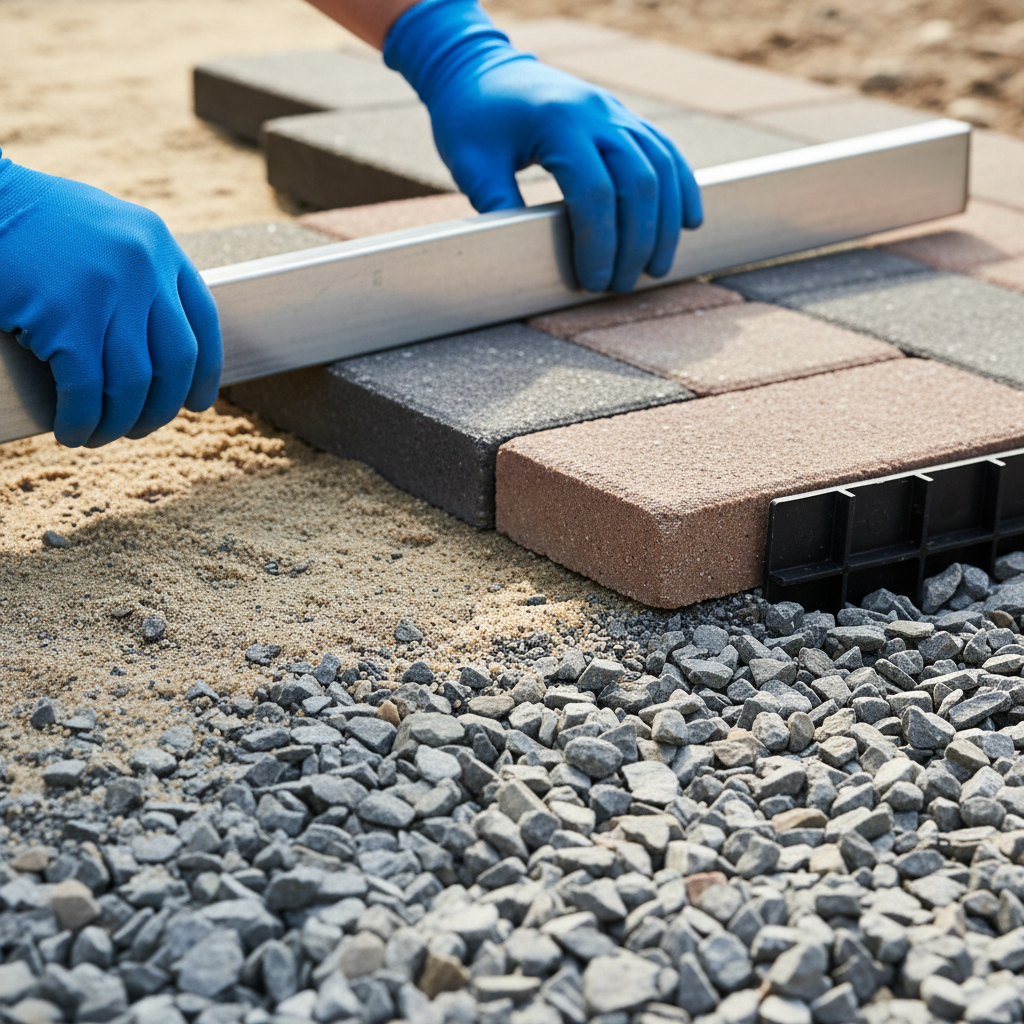
- Hardscape detailing: Base depths, compaction targets, and geotextiles prevent heaving.
- Planting structure: Layered perennials, shrubs, and trees deliver four-season interest.
- Maintainability: Mulch, edging, and access paths control weeds and simplify upkeep.
In our experience, a complete residential package typically includes a measured base plan, concept options, one coordinated final, and 2–3 targeted revisions. That rhythm keeps decisions moving while protecting scope integrity.
Why Design Matters in Mississauga and Peel
Thoughtful design in Mississauga’s Regional Municipality of Peel balances drainage, freeze–thaw, setbacks, and snow storage. Getting these right protects foundations, prevents pooling, and extends the life of patios, decks, fences, and lawns.
Mississauga lots vary—from tight frontages needing driveway extensions to backyards with slope and shade. We prioritize grading, base prep, and access so hardscapes and planting stand up to real-life use.
- Drainage first: Direct water away from foundations with positive pitch and swales.
- Edge control: Stable edges curb paver drift and reduce trip hazards over winters.
- Snow planning: Design snow-dump zones that won’t crush plantings or block access.
- Tree protection: Respect root zones; trenching near mature trees invites decline.
- Frontage logic: Walkway width and lighting cut daily friction and improve safety.
Small choices compound. For example, matching walkway slope to adjacent grade reduces shoveling effort and ice formation. Built-in hose bib access and bin pads save steps weekly.
How Landscape Design-Build Works
Design-build integrates planning and construction so details stay coordinated. One team scopes the site, finalizes drawings, prepares bases, manages permits, and installs materials—reducing redesigns and handoff delays.
We run a practical, field-tested sequence that keeps your yard usable during construction while protecting structure and plant health.
Our 7-phase workflow
- Discovery: On-site walk-through to define goals, constraints, and utilities (1–2 hours).
- Measure & analyze: Document grades, soil, sun/shade, and drainage patterns.
- Concept options: 2–3 layouts that test circulation, features, and planting massing.
- Design lock: Final plan with material palette, edge details, and elevations.
- Pre-construction: Permits, locates, base prep plan, and logistics schedule.
- Build: Excavation, base, grading, hardscapes, structures, planting, and sod.
- Handover & care: Watering, maintenance, and seasonal tips for the first year.
Process and deliverables
Phase Key Deliverable Quality Guardrail Site analysis Base plan with grades Drainage paths marked before concepting Concepts 2–3 layout options Test snow storage and bin routes Design lock Final plan set Edge details + base sections included Pre-con Permit/locate plan Sequence undergrounds first Build Installed work Compaction checks and slope tests Handover Care plan Watering + first-year checklistExpect 1–2 site visits during analysis, then targeted check-ins at key milestones. That cadence keeps timelines realistic and decisions clear.
Pricing Factors (No Dollar Amounts)
Scope, site complexity, and material choices shape your total landscape investment far more than any single line item. Focus spending where performance matters most—base preparation, grading, drainage, and durable finishes—then phase features logically.
Major value drivers
- Existing conditions: Access width, soil type, and slopes influence excavation and base depth.
- Structural elements: Retaining walls, stairs, and decks require engineering-level detailing.
- Surface finishes: Interlocking, natural stone, or composite wood vary in labor intensity.
- Planting complexity: Layered beds with edging and mulch reduce future maintenance.
- Permits & approvals: Decks, grading changes, and tree protection can require reviews.
- Phasing & logistics: Tight access or shared drives may need staging solutions.
In our experience, most builds benefit from sequencing undergrounds (conduits, drainage) and grading before finishes. That order minimizes rework and protects your budget from avoidable changes.
Types of Landscape Elements and Their Impact
Different elements place different demands on design and build. Interlock needs uncompromising base prep; decks need structural clarity; retaining walls need drainage and soil retention. Planting and sod finish the system and stabilize soils.
Hardscapes and structures
- Interlocking & pavers: Driveways, patios, walkways, and pool surrounds depend on base compaction and edge restraint. See our design-build overview for how we specify bases.
- Deck services: Custom deck framing, footings, and hardware resist moisture and frost movement.
- Retaining walls: Drainage stone, filter fabric, and weep systems relieve pressure on wall faces.
- Fence installation: Proper post depth, concrete collars, and line/grade control extend lifespan.
Planting, sod, and beds
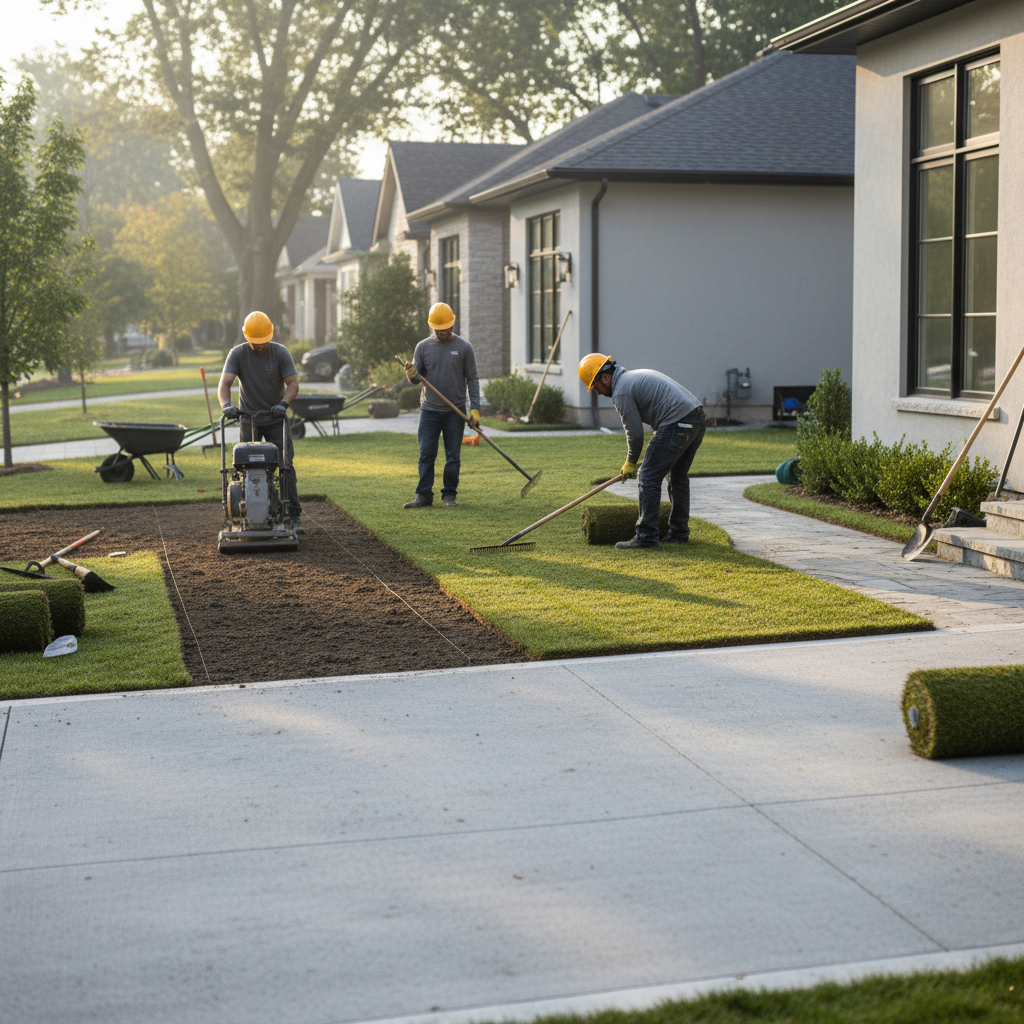
- Sod installation: Grading, topsoil depth, and roll alignment affect rooting speed and evenness. Our sod guide details watering and first-mow timing.
- Mulching & garden beds: Edge definition, weed barrier choices, and plant spacing shape maintenance.
- Tree placement: Root-zone respect and sightline planning avoid conflicts later.
Well-balanced mixes of hardscape and planting protect soil, manage runoff, and keep your space comfortable through the hottest weeks.
Best Practices for Mississauga Yards
Mississauga yards thrive when you combine solid base prep, drainage-first grading, and Ontario-hardy planting. Standardize edges, control weed pressure with mulch, and size walkways for daily life—bins, strollers, and winter boots.
- Base depth discipline: Maintain consistent sub-base thickness across patios and paths.
- Positive pitch: Target 1–2% slopes away from structures to shed water.
- Edge integrity: Edge restraints or soldier courses keep pavers locked.
- Plant layers: Mix evergreen structure with perennials for seasonal interest.
- Lighting & safety: Illuminate steps and primary routes to reduce slips.
We bring a maintenance-first mindset. That means thinking ahead to spring cleanup, leaf drop, snow loads, and edging touch-ups so upkeep stays predictable year after year.
Tools and Resources Homeowners Rely On
Use checklists, seasonal care plans, and reputable standards to guide decisions. Lean on local rules for permits and on professional associations for best practices.
- Local rules: Visit the City of Mississauga site for current permitting, tree protection, and setbacks.
- Industry standards: Explore Landscape Ontario for professional guidance on construction and horticulture.
- Design insights: Review ASLA resources for sustainability and layout fundamentals.
- Our how-tos: See our Mississauga services guide and GTA landscaping overview for local examples.
Bookmark resources and bring them to your consultation. Clear references speed up decisions and keep your plan aligned with proven practices.
Design-Only vs Design-Build vs DIY
Design-only separates drawings from construction, while design-build unifies accountability from concept to install. DIY suits small, low-risk tasks. For structural work, integrated delivery reduces handoffs and rework.
Approach Best For Main Risk Coordination Design-only Concept exploration Spec misinterpretation Owners manage bids/changes Design-build End-to-end delivery Requires trust in one team Single point of accountability DIY Small, non-structural tasks Hidden site risks Homeowner coordinates allIf you’re weighing options, our design-build guide outlines how we control quality at each step.
Case Studies from Our Mississauga Projects
Real Mississauga projects show how early decisions shape outcomes. When grading, base prep, and access flow are solved up front, schedules are smoother and maintenance is lighter.
Front-yard refresh with walkway and beds
- Challenge: Narrow frontage and pooling near steps.
- Plan: Re-grade, add interlocking walkway, define beds with steel edging.
- Outcome: Even runoff, safer access, simpler shoveling, and tidy curb appeal.
Backyard deck + patio combo
- Challenge: Patchy lawn and uneven pavers.
- Plan: Replace with composite deck and a compact paver patio; layer shrubs for privacy.
- Outcome: Durable, low-upkeep living space with clear circulation from door to seating.
Driveway extension with sod replacement
- Challenge: Cramped parking and tired turf.
- Plan: Widen with interlock, reset grades, and install premium sod.
- Outcome: Better parking geometry, faster sod take, and stress-free snow clearing.
These mini-cases reflect our integrated approach—solve structure and drainage first, shape circulation, then finish with planting and sod to stabilize soils.
Local Permits and Approvals
Before breaking ground, confirm Mississauga permits, locates, and tree protection rules. Early checks protect schedules and avoid redesigns.
- Permits: Decks, grading changes, and accessory structures may require reviews.
- Utility locates: Always schedule locates before digging to prevent service damage.
- Tree protection: Understand critical root zones to prevent long-term decline.
For current rules and contacts, start with the City of Mississauga website. It’s your authoritative source for forms, processes, and service areas.
Maintenance Planning and Seasonality
Design with maintenance in mind. Edging, mulch, and smart plant choices prevent constant weeding and replanting, while snow and leaf plans keep labor predictable.
- First year focus: Watering schedules and mowing height help sod root evenly.
- Bed health: Seasonal mulch top-ups and defined edges cut weed pressure.
- Winter prep: Protect perennials, stake young trees, and plan snow-dump zones.
For hands-on guidance, our services overview and GTA guide explain how we plan upkeep from day one.
Local considerations for Mississauga
- Schedule builds between thaw and first frost for stable bases and reliable plant rooting.
- Near Saigon Park and Lambton College, higher foot traffic favors wider walkways and tougher turf cultivars.
- Wind corridors off major arterials call for anchored privacy screens and evergreen buffers.
How to Prepare for Your Consultation
Arrive with goals, constraints, and inspiration. Photos, measurements, and a quick wish list help us translate needs into a buildable plan and a phased roadmap.
- List must-haves: Access, safety, drainage, privacy, and storage.
- Collect visuals: A few reference photos communicate style quickly.
- Measure key areas: Rough dimensions keep concepts grounded.
- Note site quirks: Soggy zones, shade patches, and tight access.
- Think seasons: Where will snow go? How will fall cleanup work?
We’ll map priorities and outline a practical sequence so each phase builds toward your end vision.
Free On-Site Landscape Assessment
Book a complimentary on-site assessment in Mississauga. We’ll walk your property, clarify goals, and outline a phased design-build approach that fits real site conditions.
- Walk-through and grade review
- Concept pathways and access logic
- Preliminary material palette recommendations
Ready to get started? Reach us at our Mississauga office on Matheson Blvd E to compare options and timelines.
Frequently Asked Questions
These quick answers address common planning questions for Mississauga yards—permitting, timelines, and material choices—without pricing specifics.
How long does a typical design-build project take?
Most residential design-build projects move from consultation to handover across several weeks, depending on scope, access, and permitting. Expect time for site analysis, final design, approvals, base preparation, and installation. We keep you updated at each milestone.
Do I need permits for a new deck or major grading changes?
Some decks, accessory structures, and grading changes require permits or reviews. We coordinate early checks and help you navigate applications so the design matches current local requirements and avoids rework.
What matters more—materials or base preparation?
Base preparation is foundational. Proper excavation, geotextiles, compaction, and drainage support almost every finish. Quality materials still matter, but without a stable base, surfaces will heave, settle, or drift despite premium pavers or decking.
Can we phase the project over multiple seasons?
Yes. We often phase projects to align with access windows, plant availability, and budgets. We prioritize undergrounds, grading, and circulation first, then add features and planting without undoing completed work.
Key Takeaways
Focus your investment where it lasts: drainage, base prep, and durable materials. Use design-build to coordinate permits and sequencing, then add features in logical phases that fit Mississauga’s climate.
- Start with site analysis and clear goals.
- Control edges, slopes, and access paths.
- Choose Ontario-hardy plants and resilient finishes.
- Phase features without undoing prior work.
Conclusion and Next Steps
Great landscapes come from disciplined planning and durable construction. Clarify goals, validate drainage, and lock details before breaking ground. Then build in phases and maintain with simple, seasonal routines.
If you’re weighing Mississauga landscape design cost factors, we’ll help you map priorities and sequence work for lasting results. Explore our design-build guide and sod tips, then book a site visit on Matheson Blvd E.


