
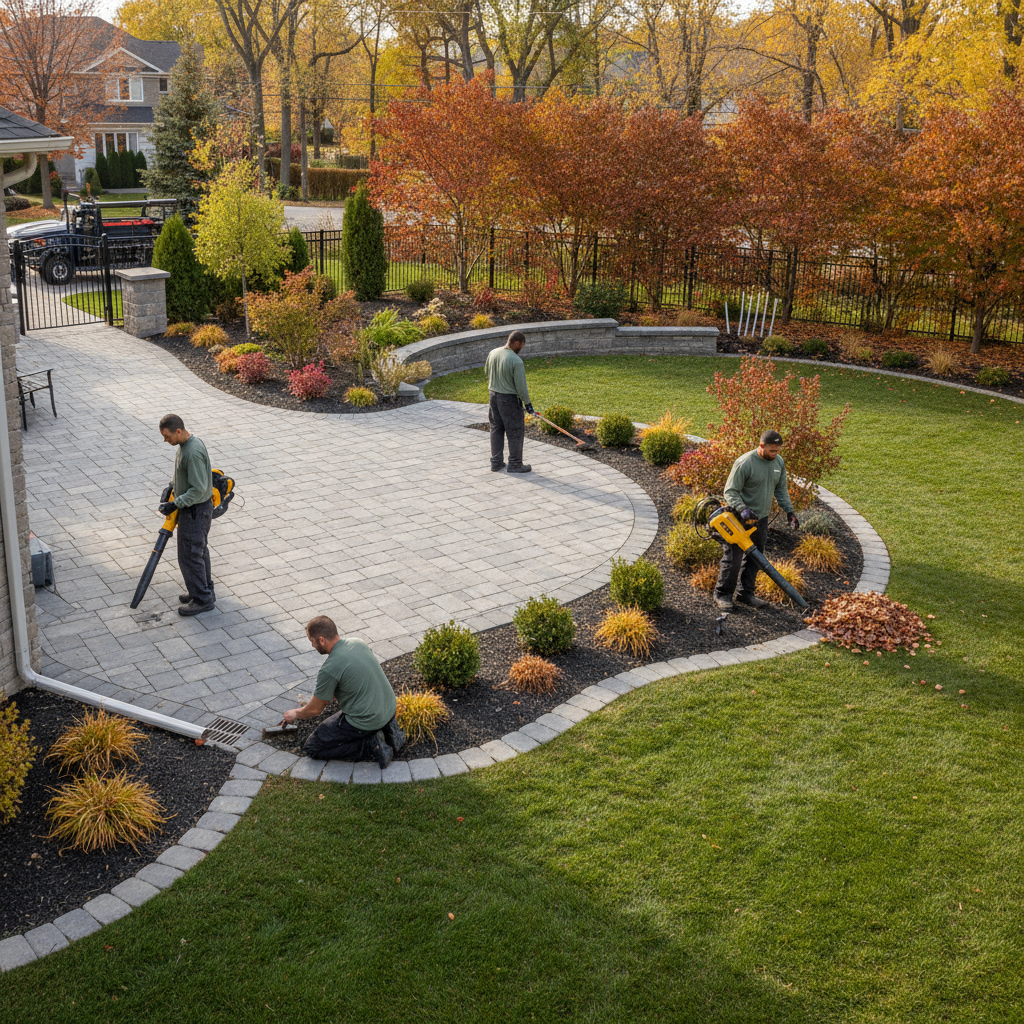
Seasonal maintenance planning is the structured, year-round scheduling of lawn, hardscape, and garden care so outdoor spaces stay safe, healthy, and attractive. In Mississauga’s freeze–thaw climate, a proactive plan protects sod, interlocking, decks, and beds from weather swings. For HR Greenroots Landscaping, it guides when to inspect, clean, repair, and refresh—before small issues become big headaches.
By HR Greenroots Landscaping — Mississauga & GTA design-build landscapers
Last updated: 2026-04-30
Quick Summary
This guide turns seasonal care into a simple, repeatable plan for Mississauga and the GTA. You’ll learn what tasks to do each season, how to stage them step by step, which tools help, and when to call HR Greenroots Landscaping for professional support across sod, interlocking, decks, fences, retaining walls, stone work, sheds, and garden beds.
Use this overview as your roadmap. Then dive into the sections that match your yard: lawn, pavers, wood structures, and planting beds. We include a printable checklist, a step-by-step flow, and real scenarios from local homes and businesses so you can act with confidence.
What Is Seasonal Maintenance Planning?
Seasonal maintenance planning is a proactive, calendar-based approach to caring for lawns, hardscapes, wood structures, and planting beds. It sequences inspection, cleaning, adjustment, and repair at the right time of year so assets last longer, curb appeal stays high, and safety risks are reduced across changing weather.
Think of it as your outdoor “operating system.” It gives every component—sod, interlocking pavers, decks, fences, retaining walls, armour stone, sheds, and beds—a predictable care cycle. In our experience designing and building across Mississauga and the GTA, the properties that follow a plan see fewer repairs, tighter edges, safer footing, and greener turf season after season.
- Scope it right: List each asset (lawn, patio, driveway, walkway, deck, fence, wall, shed, beds).
- Map the seasons: Winterization, spring reactivation, summer upkeep, fall prep.
- Define standards: Target mowing height (about 2.5–3 in. for cool-season turf), paver joint condition, edge control, and bed cleanliness.
- Assign cadence: Weekly, monthly, or seasonal checkpoints prevent backlogs.
Why Planning Matters in Mississauga’s Climate
Mississauga’s freeze–thaw cycles, lake-effect moisture, and shoulder-season temperature swings stress lawns and hardscapes. A plan times aeration, edging, joint sand checks, and pruning so materials resist movement and moisture. The payoff is fewer repairs, better drainage, safer traction, and longer-lasting curb appeal.
Here’s the thing: most outdoor damage isn’t sudden—it’s cumulative. Water sneaks into joints, soil settles, and salt or shade slowly thin turf. By scheduling simple tasks—like checking paver edge restraints, touching up polymeric sand, and trimming bed edges—you blunt the impact of weather. Properties that follow a seasonal cadence typically need fewer emergency fixes and maintain tighter, cleaner lines.
- Freeze–thaw reality: Repeated cycles can shift pavers and open joints; re-sanding and plate compaction help stabilize surfaces.
- Drainage first: Spring melt can overwhelm low spots; grading checks and clear downspout routes keep water moving.
- Sun/shade balance: Cool-season turf thrives at 2.5–3 in. height; shaded lawns benefit from slightly higher mowing to protect blades.
- Salt and traction: Winter traction products leave residues; spring rinses and gentle cleaners reduce staining on pavers and stone.
How Seasonal Planning Works (Step-by-Step)
Build your plan in seven steps: inventory assets, define standards, map seasonal tasks, assign cadence, prepare tools, execute inspections, and document fixes. Repeat quarterly. This simple loop keeps lawns lush, pavers tight, wood structures sound, and beds tidy—without scrambling when weather swings.
- Inventory your assets. List lawn zones, patios, walkways, driveways, decks, fences, retaining walls, stone features, sheds, and beds. Note size, age, and known issues.
- Define maintenance standards. Examples: lawn at 2.5–3 in., paver joints filled and firm, deck boards smooth with secure fasteners, bed edges crisp at 90 degrees.
- Map tasks by season. Spring reactivation, summer care, fall shutdown, winter checks. Sequence tasks that depend on dry vs. thawed conditions.
- Assign cadence and owners. Weekly mowing, monthly inspections, seasonal deep work. Decide what you’ll DIY and when HR Greenroots steps in.
- Stage tools and materials. Keep spare polymeric sand, edge restraints, sod repair pieces, mulch, and fasteners ready before rush periods.
- Run inspections. Use a 10–15 minute walk-through checklist after major weather events and at each season change.
- Document and adjust. Photos, notes, and a running punch list prevent repeat issues and inform upgrades during design-build projects.
Pro tip: tie inspections to holidays you won’t forget. A quick “Victoria Day” and “Labor Day” walk-through captures most seasonal transitions in the GTA and keeps the plan alive.
Seasonal Task Calendar (GTA At-a-Glance)
Use this four-season planner to time lawn, paver, wood, and bed tasks. It prioritizes drainage and safety first, then appearance. Adjust for site conditions, sun/shade, and foot traffic. Keep polymeric sand, mulch, and fasteners stocked so you can respond within days—not weeks.
Season Lawn & Sod Interlocking & Stone Decks & Fences Beds & Planting Spring Rake thatch; aerate if compacted; overseed thin spots; first mow at ~3 in.; fertilize once soil warms. Rinse salt; inspect edge restraints; top up polymeric sand; plate-compact; spot-level settled units. Wash surfaces; check fasteners; sand rough boards; reseal as needed; tighten gate hardware. Cut crisp edges; refresh 2–3 in. mulch; prune winter damage; check drainage out of beds. Summer Water deeply 1–1.5 in./week; mow 2.5–3 in.; spot-repair sod seams; manage weeds. Quick rinse after heavy use; check joints monthly; replace displaced sand. Inspect posts and footings; maintain 1/8 in. board gaps; spot-seal high-traffic treads. Deadhead annuals; trim perennials; monitor irrigation; top up mulch if thin. Fall Final overseed; last fertilizer; leaf removal to avoid matting; final mow slightly lower (~2.5 in.). Clean stains; fill joints before freeze; confirm positive drainage at edges. Wash and dry; full reseal cycle if due; adjust latches; store furniture. Divide perennials; plant spring bulbs; reshape edges; set winter protection. Winter Minimize salt runoff; avoid piling heavy snow on new sod; plan spring repairs. Use non-corrosive traction; avoid metal shovels on pavers; monitor heave; schedule spring reset. Brush snow off rails to reduce load; avoid ice melt on wood; check for frost movement. Protect evergreens from wind; mark bed edges for plow awareness; plan spring refresh.Types of Maintenance and Approaches We Recommend
Group tasks by asset type—lawn, hardscape, wood structures, and beds—and by approach: preventive, corrective, and upgrade-driven. This keeps day-to-day care lean while flagging when a pro service (grading, base reset, or design changes) will deliver better long-term results.
Lawn and Sod
- Preventive: Mow 2.5–3 in., deep watering 1–1.5 in./week, sharp blades every 20–25 hours of mowing.
- Corrective: Patch thin sod with fresh pieces; topdress and overseed; address shade by pruning or switching seed blends.
- Upgrade-driven: Regrade uneven areas, install drainage, or plan a full lawn replacement with premium sod for instant coverage.
Interlocking Pavers and Stone Work
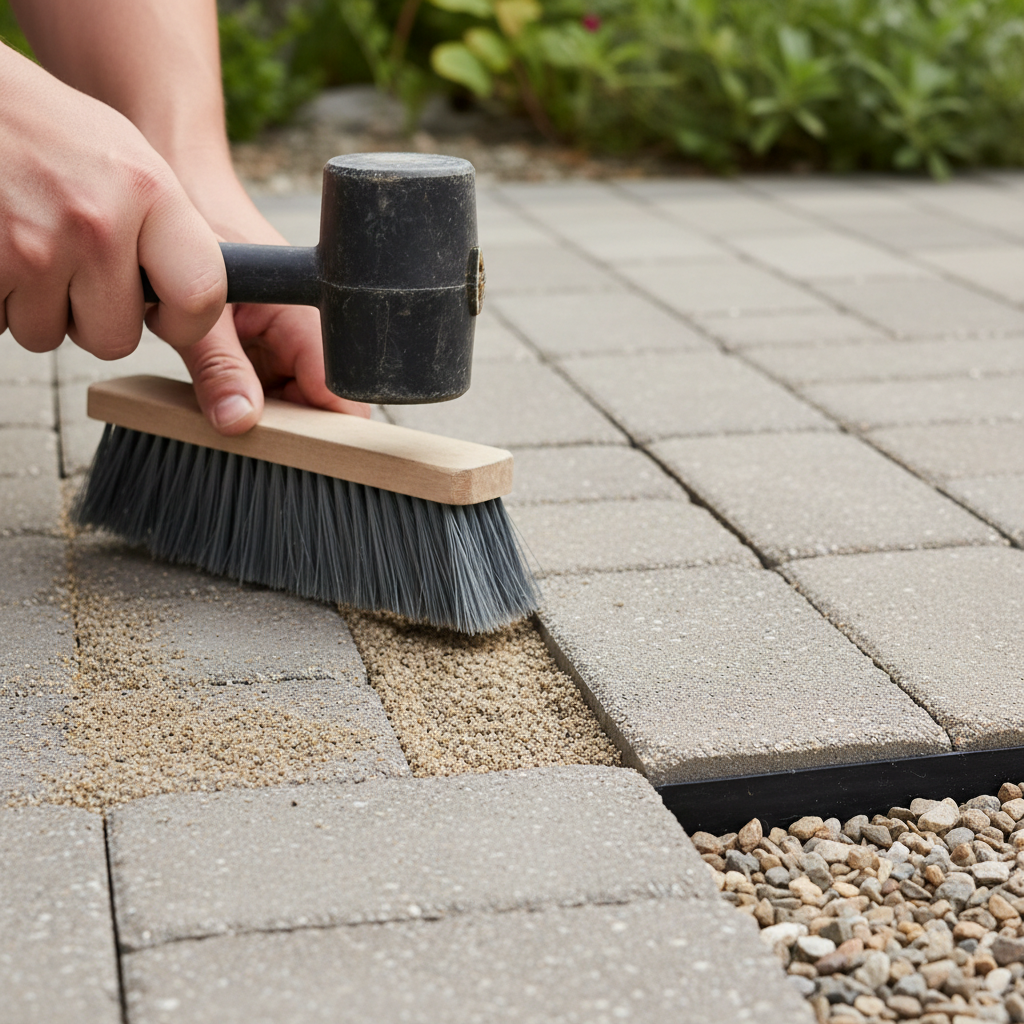
- Preventive: Rinse surfaces; inspect joints; re-sand before freeze; maintain edge restraints.
- Corrective: Lift and relay settled units; add base material (4–6 in. patios; 6–10 in. driveways) and re-compact.
- Upgrade-driven: Add soldier-course borders, lighting, or step treads; consider sealing cycles every 3–5 years.
Decks and Fences
- Preventive: Wash annually; maintain 1/8 in. gaps; keep fasteners flush.
- Corrective: Replace cupped or split boards; tighten posts; reset any heaved footings below frost line (~42 in.).
- Upgrade-driven: Railing updates, privacy screens, or deck extensions to improve traffic flow.
Retaining Walls and Armour Stone
- Preventive: Clear weep holes; maintain gravel backfill; check caps and adhesives annually.
- Corrective: Address bulges or lean early; regrade and rebuild sections with proper geogrid and drainage fabric.
- Upgrade-driven: Add steps, lighting, or planting pockets for safer movement and interest.
Garden Beds and Mulch
- Preventive: Keep a clean 90-degree bed edge; maintain 2–3 in. mulch for moisture retention and weed suppression.
- Corrective: Remove mats of leaves; cut back perennials; reset edging where grass creeps in.
- Upgrade-driven: Layer shrubs and perennials for four-season color; integrate drip irrigation on timers.
Tools, Materials, and Resources That Make It Easier
Keep a compact toolkit—sharp mower blades, a core aerator rental once a year, polymeric sand, edge restraints, landscape adhesive, mulch, and a hand sprayer. Pair them with a seasonal checklist and photo log. The right tools cut weekend time in half and improve results.
- Lawn basics: Mower with sharp blade, dethatcher rake, core aerator (rental), hose with shutoff, spreader, turf repair mix.
- Paver essentials: Broom, rubber mallet, plate compactor (rental), polymeric sand, edge restraints and spikes, gentle cleaner.
- Wood care: Exterior cleaner, sanding block, exterior-grade sealant, driver bits and screws sized for your boards.
- Bed refresh: Spade for edges, mulch by the yard, pruning shears, landscape fabric where appropriate.
Planning a larger refresh or a new feature? Our design-build approach aligns maintenance with layout choices—so patios drain right, lawns grade correctly, and beds get the right plant layers from day one. Explore our landscaping GTA guide for ideas that scale from front-yard touch-ups to full transformations.
Best Practices That Pay Off All Year
Prioritize drainage, edge control, and seasonal timing. Keep lawns at 2.5–3 inches, top up paver joints before freeze, seal wood on a dry 48-hour window, and hold mulch at 2–3 inches. These small habits prevent most major issues and keep spaces safe and crisp.
- Drainage first: Water should always move away from structures; regrade low spots and extend downspouts.
- Edge control everywhere: Crisp lawn–bed lines, solid paver edge restraints, and tidy hardscape borders maintain order.
- Right task, right time: Aerate compacted areas in spring/fall; re-sand pavers in late spring or early fall when dry.
- Protect materials: Use non-abrasive cleaners on pavers; keep de-icing products off wood; avoid metal shovels on stone.
- Track with photos: Quarterly snapshots reveal subtle changes—settlement, shade shifts, or traffic wear.
When in doubt, schedule a professional walk-through. We often spot patterns (like recurring settlement near a downspout) that can be solved with one smart intervention—a short swale, better base prep, or a catch basin—rather than ongoing patchwork.
How We Stage the Work (Mississauga Example Flow)
We stage maintenance in logical blocks: safety and drainage, structural checks, surfaces and joints, then finishing touches. This sequence delivers immediate function, then appearance—so your property looks better and withstands weather right away.
- Safety and drainage: Clear downspouts, confirm positive slope, fix trip points.
- Structural checks: Inspect retaining walls, fence posts, deck footings, and paver edge restraints.
- Surfaces and joints: Clean pavers and stone, refill joints, compact, and seal wood if due.
- Finishing touches: Mow and edge, refresh mulch, prune, and tidy storage.
This order works whether we’re supporting a small Mississauga townhouse or a larger GTA commercial frontage. It’s also how we prepare sites for new projects—maintenance first, then design-build additions—so upgrades start on a solid foundation. See how we approach coordinated projects in our Mississauga landscaping services overview.
Mini Case Studies: Real-World Scenarios
These three Mississauga-area examples show how a simple plan prevents bigger repairs. Each story started with a fast walk-through, a short punch list, and a maintenance-first mindset—then evolved into smart upgrades that fit the property.
1) Townhome Courtyard With Shade
A north-facing courtyard struggled with thin turf and slippery pavers. We set a seasonal cadence: mow high (3 in.), prune a few limbs for dappled light, touch up polymeric joints each fall, and add a 2–3 in. mulch layer. The space now drains cleanly and stays safe after rain.
2) Family Driveway With Winter Heave
Freeze–thaw cycles opened joints and created small lip hazards. Our plan scheduled a spring rinse, joint refill, and plate compaction. A targeted base reset at the apron section ended recurring settlement. Today the edge line is tight, and the surface is smooth for strollers and bikes.
3) Small Business Frontage With Heavy Foot Traffic
We organized quarterly inspections around rush periods. Edge restraints were reinforced; beds got clean 90-degree cuts and a mulch top-up; decks received a mid-summer wash. The result: fewer trip points, better sightlines, and easier sweeping for staff between rushes.
Scheduling, Workload, and Right-Sizing Your Plan
Right-size the plan to your property and time. Group tasks by season, reserve a single weekend for deep work twice a year, and schedule one professional check annually. This keeps curb appeal high without overcommitting your calendar.
- Block your year: One spring deep weekend, one fall deep weekend, plus quick summer touch-ups.
- Know your limits: DIY mowing and light cleaning; bring in pros for grading, base resets, or structural movement.
- Plan materials early: Stock polymeric sand, mulch, fasteners, and turf repair before busy weekends.
- Bundle upgrades: Align design changes with maintenance windows to minimize disruption and rework.
When you’re considering a larger refresh, review our landscape design and build approach to see how layout, materials, and maintenance come together under one plan.
Local considerations for Mississauga
- Time paver joint work for dry, mild stretches in late spring or early fall to avoid moisture interference with polymeric sand curing.
- Plan sod repairs around shoulder seasons; spring and early fall rooting is stronger, especially after freeze–thaw.
- Account for lake-effect moisture and shaded pockets; keep drainage routes clear and mow slightly higher in low-light zones.
Your 12-Month Checklist (Copy/Paste and Print)
Use this month-by-month list to stay ahead. It batches quick wins with seasonal depth work. Check tasks off, add notes, and snap a photo log. Consistency—not perfection—delivers the biggest gains over a year.
- January–February: Monitor snow loads; keep paths safe; mark bed edges for snow services.
- March: Inspect drainage routes; plan spring materials; sharpen mower blade.
- April: Rake thatch; aerate compacted zones; overseed; rinse pavers; start bed edging.
- May: Fill paver joints; compact; first fertilizer; mulch 2–3 in.; prune winter damage.
- June: Deep water lawns; mow 2.5–3 in.; tighten hardware; spot-seal high-wear treads.
- July: Quick paver rinse; check joints; tidy storage; deadhead annuals.
- August: Assess shade; plan overseed; photo-log wear areas for fall fixes.
- September: Overseed; light topdress; joint touch-up; trim perennials; edge beds.
- October: Final fertilizer; leaf removal; wash/prepare decks and fences.
- November: Last mow ~2.5 in.; secure gates; protect evergreens; mark edges.
- December: Use non-abrasive traction on pavers; avoid metal shovels on stone and wood; plan spring projects.
Want a professional seasonal plan? Schedule a quick on-site assessment in Mississauga or across the GTA. We’ll walk your property, prioritize fixes, and align maintenance with any upcoming design-build goals.
Frequently Asked Questions
These quick answers cover timing, task order, DIY vs. pro decisions, and how seasonal maintenance planning pairs with new landscape projects. If you have a unique site challenge, ask us—we tailor plans to real conditions, not just checklists.
How often should I check paver joints?
Check monthly during heavy use and again in late spring and early fall. Top up polymeric sand before freeze–thaw so joints stay firm. If edges are moving or settlement is visible, bring in a pro to reset the base in that area.
When is the best time to lay new sod in the GTA?
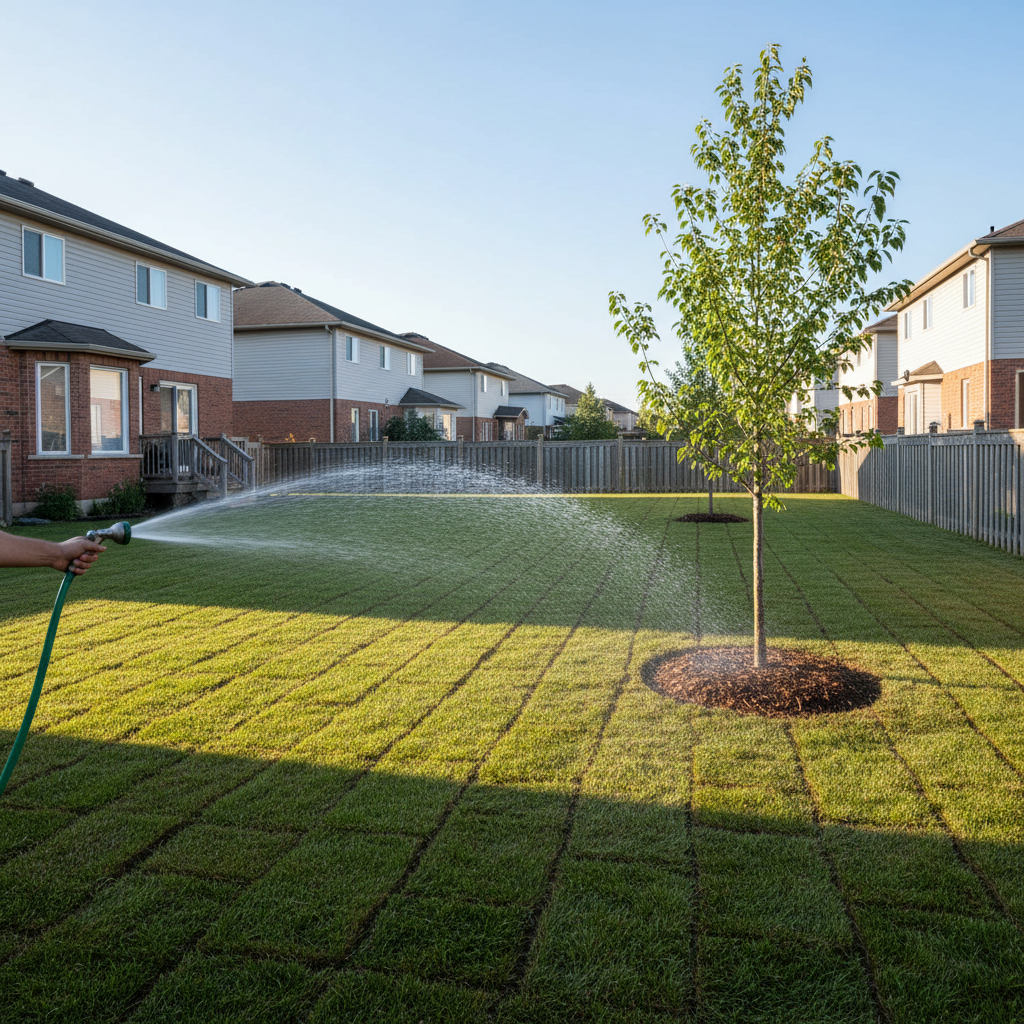
Spring and early fall offer cooler temperatures and more consistent moisture, which help roots establish. Water daily for the first 7–14 days, then shift to deep, less frequent watering. Avoid heavy use on new sod until it resists gentle tugs.
How do I know if my retaining wall needs attention?
Look for bulges, leaning, open caps, or blocked weep holes. Minor issues are manageable, but movement often points to drainage or base concerns. Early intervention—clearing drains, resetting caps, or rebuilding a section with proper geogrid—prevents larger failures.
Should I seal my interlocking pavers every year?
No. Sealing cycles typically run every 3–5 years depending on traffic, exposure, and product. Focus annually on clean surfaces and tight joints. If you notice color fading or increased staining, consider scheduling a sealing within that window.
What’s the simplest way to start seasonal maintenance planning?
Start with a 15-minute walk-through each month and one deep weekend in spring and fall. Keep polymeric sand, mulch, and fasteners on hand. Document one improvement per season. If you hit a structural issue, call a pro for a targeted fix.
Key Takeaways
Seasonal maintenance planning protects your investment and spreads work into small, doable batches. Focus on drainage, edges, timing, and documentation. For bigger fixes or design changes, a coordinated plan with HR Greenroots Landscaping keeps everything aligned and long-lasting.
- Plan tasks by season and asset type so nothing gets missed.
- Prioritize drainage, edge control, safe footing, and healthy turf.
- Batch deep work into two weekends per year plus quick monthly checks.
- Use photos and notes to spot patterns and steer smart upgrades.
Conclusion
A simple, consistent plan is the fastest way to keep your outdoor space safe, sharp, and ready for real life. Start with a short walk-through, schedule two deep weekends a year, and call HR Greenroots when structural or layout fixes can end recurring issues.
Whether you’re refreshing a front walk, tuning up a backyard patio, or planning a full transformation, seasonal maintenance planning is your base layer. When you’re ready to pair care with smart design, explore our Mississauga-focused guides and book an on-site assessment across the GTA.
Next step: Want help building a right-sized plan for your property? Reach out to the HR Greenroots Landscaping team in Mississauga to schedule a seasonal assessment.


