
Deck wood selection is the process of choosing the right species, grade, treatment, and board profile for your climate, structure, and use. In Mississauga and across the GTA, the best selection balances durability, stability, and maintenance. Done right, it delivers a safer surface, cleaner lines, and a longer service life through Ontario’s freeze–thaw swings.
By HR Greenroots Landscaping • Last updated: 2026-04-16
At a Glance
Pick deck wood by ranking weather resistance, stability (movement), maintenance time, and appearance against how you’ll use the space. In the GTA, pressure-treated pine is rugged and economical, cedar runs cooler with a premium look, and dense hardwoods excel in longevity but need precise installation and airflow.
- What you’ll learn
- How to evaluate boards for Ontario’s climate
- Species comparisons: pressure-treated, cedar, and hardwood
- Installation and maintenance best practices we use on GTA jobs
- How to integrate decks with interlocking, fencing, and planting
- Who this helps
- Homeowners upgrading outdoor living space
- Small-business owners improving curb appeal
- Property managers seeking durable, low-maintenance solutions
- Why trust this guide
- HR Greenroots Landscaping designs and builds in Mississauga and the GTA
- End-to-end approach: design, build, and maintenance planning
- Emphasis on strong base prep, grading, and edge control across projects
Quick Answer
In Mississauga, smart deck wood selection means matching species (pressure-treated pine, cedar, or tropical hardwood) to sun exposure, moisture, and maintenance goals. From our team at 100 Matheson Blvd E unit 202, HR Greenroots Landscaping designs and builds decks that pair with interlocking, fencing, and planting for cohesive, low-maintenance outdoor spaces.
Local Tips
- Tip 1: Near the 401/403 interchange, wind exposure can be high—choose stable boards (cedar or dense hardwood) and use hidden fasteners to reduce surface checking.
- Tip 2: Spring installs book quickly after thaw; late spring or early fall in the GTA often reduces wood movement during acclimation and finishing.
- Tip 3: For tight lots around Square One, combine a compact cedar deck with interlocking walkways and a privacy fence to optimize circulation and screening without blocking light.
IMPORTANT: These reflect HR Greenroots Landscaping’s design-build approach for Mississauga and the GTA.
What Is Deck Wood Selection?
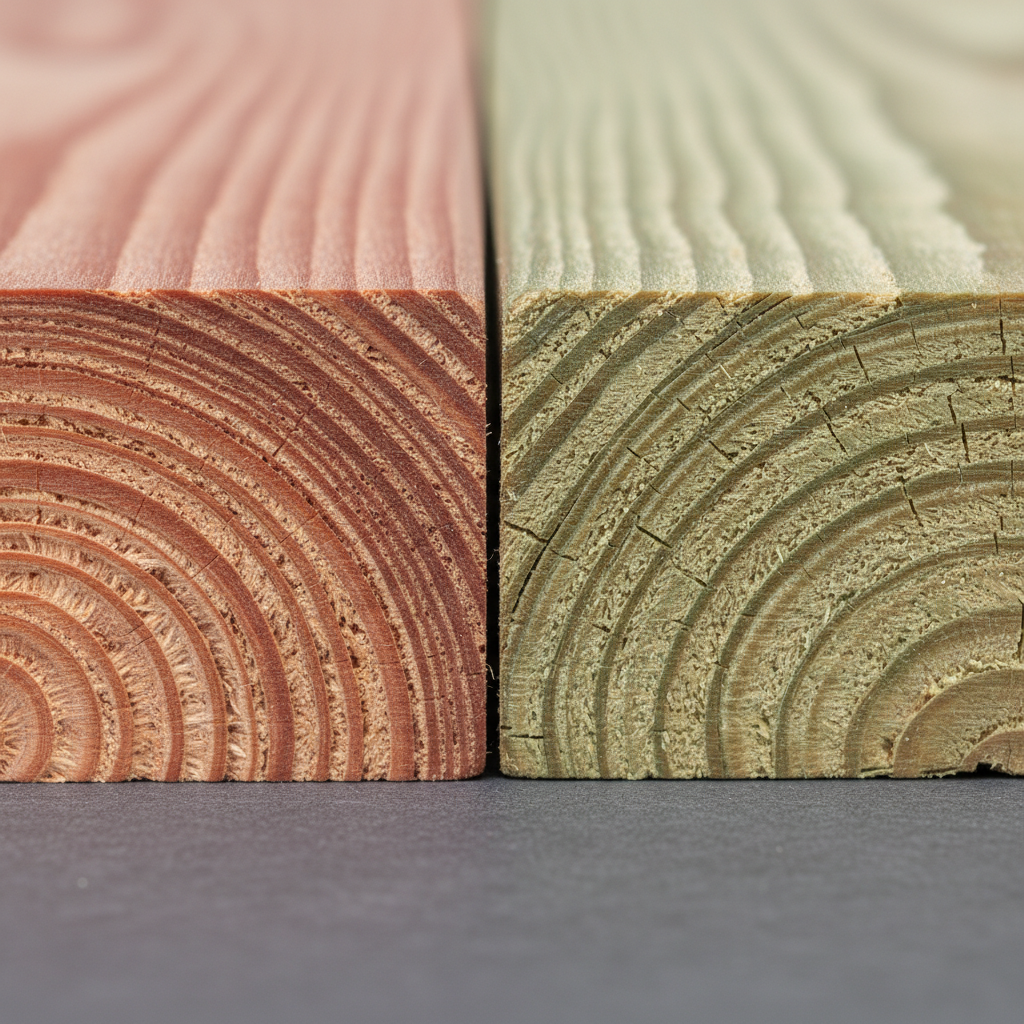
Deck wood selection is a structured evaluation of species, grade, treatment, and board profile to meet performance targets in your climate and design. Choosing boards that resist moisture, movement, and wear extends service life, reduces maintenance, and delivers a safer, smoother surface for everyday use.
- Core elements:
- Species: Pressure-treated pine, western red cedar, or tropical hardwoods (ipe, cumaru).
- Grade: Clear, select, or knotty; tighter grain typically moves less and finishes cleaner.
- Treatment: Alkaline copper quaternary (ACQ) or micronized copper for PT pine improves decay resistance.
- Profile: Square-edge vs grooved (for hidden fasteners), smooth vs reeded (grooved surfaces trap water).
- Climate fit:
- Ontario’s freeze–thaw cycles amplify board movement and checking.
- Winter de-icing splash and spring rain require drainage and ventilation.
- Use-case alignment:
- High-traffic family decks need dent resistance and easy cleaning.
- Pool-adjacent decks benefit from lower surface temperature and traction.
- Entertaining zones may prioritize color consistency and fastener-free faces.
Why this matters: selecting boards as a system (wood + fasteners + airflow + finish) cuts problems early. Field gaps of 1/8–1/4 inch promote drainage; continuous airflow under the surface reduces cupping risk; and sealing end grain limits moisture cycling.
Why Deck Wood Selection Matters in Mississauga & the GTA
The right deck boards for the GTA resist moisture, handle freeze–thaw movement, and stay comfortable underfoot. Matching species to exposure and maintenance routines prevents early warping and splinters, keeps screws seated, and protects framing, so your deck stays stable and safe season after season.
- Freeze–thaw reality:
- Repeated cycles push moisture in and out of boards, increasing checking.
- Ventilation clearances of at least 6 inches above grade improve drying.
- Sun and shade patterns:
- South- and west-facing decks heat up more; cedar typically runs cooler to the touch than many dense hardwoods.
- UV breaks down lignin; transparent or semi-transparent finishes slow graying.
- Longevity and safety:
- Consistent board spacing (1/8–1/4 inch) and sealed end cuts reduce surface defects over time.
- Non-corrosive fasteners (stainless or coated) prevent staining and hold strength.
- Design cohesion on real GTA lots:
- Integrate decks with interlocking walkways, fencing, and planting to optimize circulation and privacy.
- Strong base prep and grading protect adjacent lawns and hardscapes from runoff.
In our experience on Mississauga infill lots, tight rear setbacks mean airflow and access matter as much as board choice. We plan service routes, hose bibs, and storage so the deck supports everyday life—not just photos.
How the Deck Wood Selection Process Works
A reliable selection process scores exposure, traffic, and maintenance appetite, then matches species, grade, and fasteners. We verify site drainage, design airflow, and specify finishes. This turns the “right wood” into a complete system that performs in Ontario weather.
- Assess site conditions
- Map sun, shade, wind, and drainage patterns; note splash zones near pools or downspouts.
- Confirm height above grade and ventilation pathways.
- Define use and maintenance
- High-traffic family use vs quiet lounge zones suggest different priorities.
- Set a finishing plan (clear, semi-transparent, or natural weathering).
- Select species and grade
- Pressure-treated pine for rugged value and preservative protection.
- Cedar for lighter weight, cooler touch, and premium appearance.
- Tropical hardwoods for longevity with strict ventilation and fastening.
- Specify profiles and fasteners
- Grooved boards with hidden clips for clean faces and consistent gaps.
- Stainless screws for coastal or pool-adjacent conditions.
- Plan moisture management
- End-grain sealing at cuts; joist flashing tape; drip edges and ledger flashing.
- Field gaps of 1/8–1/4 inch for drainage; 1/4–3/8 inch to immovable adjacencies.
- Detail transitions
- Integrate steps to interlocking patios for safe, even rises (7–7.5 inches typical).
- Coordinate privacy fencing heights and sightlines with neighbors.
Each step reduces unknowns. Clients see a material schedule, finish plan, and maintenance roadmap before we order lumber, which keeps schedules on track.
Types of Deck Wood (and Worthy Alternatives)
Most GTA decks use pressure-treated pine, cedar, or tropical hardwoods. PT pine offers rugged value, cedar balances comfort and premium looks, and hardwoods deliver longevity with meticulous installation. Composite alternatives trade natural grain for low maintenance; selection depends on use and appearance goals.
Pressure-Treated Pine
- Pros:
- Preservative-treated against decay and insects; widely available in Southern Ontario.
- Strong value for family decks and rental properties.
- Accepts stains well; square-edge or grooved options.
- Considerations:
- Heavier than cedar; can run warmer under full sun.
- Movement during first season; predrill near board ends to reduce splitting.
- Use ACQ-compatible coated or stainless fasteners to avoid corrosion.
- Where we use it: Family decks in Mississauga backyards, utility stairs, and robust framing with joist tape and drip flashing.
Western Red Cedar
- Pros:
- Lighter weight; typically cooler underfoot than many hardwoods.
- Natural tannins add decay resistance; beautiful grain and color.
- Works well with hidden fasteners for clean faces.
- Considerations:
- Softer surface can dent under point loads; use protective furniture glides.
- Benefits from regular finishing to slow graying and surface checks.
- Mind end-grain sealing to reduce moisture cycling at cuts.
- Where we use it: Small urban decks near Square One where comfort, color, and low mass matter.
Tropical Hardwoods (Ipe, Cumaru, Garapa)
- Pros:
- Exceptional durability and density; high wear resistance for heavy traffic zones.
- Rich, consistent color with fine grain; refined premium look.
- Excellent longevity with proper ventilation and fastening.
- Considerations:
- Requires sharp tools, predrilling, and stainless fasteners; allow for acclimation.
- Needs airflow: we target at least 12 inches of clear ventilation in low-slung conditions.
- Periodic oiling maintains color; otherwise it weathers silver-grey.
- Where we use it: Entertaining decks with hidden fasteners, picture-frame borders, and strong airflow design.
Composite and PVC Alternatives
- Pros:
- Low maintenance; consistent color; compatible with hidden fasteners.
- Good for shaded sites prone to moisture; many slip-resistant textures.
- Considerations:
- Thermal movement requires strict gapping per manufacturer specs.
- Surface heat can exceed wood on west-facing exposures; test samples first.
- Where we use it: Mixed-material landscapes where interlocking patios handle dining while composite handles lounge areas.
No single material wins everywhere. We specify based on exposure, airflow, and how you’ll use the space daily.
Comparison: Species, Lifespan, and Care
Pressure-treated pine leads on value and ruggedness, cedar on comfort and look, and tropical hardwoods on longevity. All boards last longer with good airflow, joist tape, end sealing, and regular cleaning. Pick the profile and fastener system that aligns with maintenance time and the finish you prefer.
Material Strengths Considerations Maintenance Focus Pressure-Treated Pine Durable, widely available, strong value Heavier; movement first season Stain/seal, inspect fasteners, clean annually Cedar Cooler underfoot, premium look Softer; needs periodic finish Oil/finish as planned, gentle cleaning Tropical Hardwoods Excellent wear, longevity Requires airflow, predrilling Oil to maintain color; clean seasonally Composite/PVC Low maintenance, consistent color Thermal expansion; heat on west sun Soap-and-water cleaning as needed- Technical notes:
- Field gaps: 1/8–1/4 inch; board-to-rigid-adjacency: 1/4–3/8 inch.
- End sealing: treat every fresh cut; prioritize stair treads and picture frames.
- Fasteners: use stainless in pool or salt areas; ACQ-rated coated in standard installs.
Best Practices We Follow on GTA Deck Builds
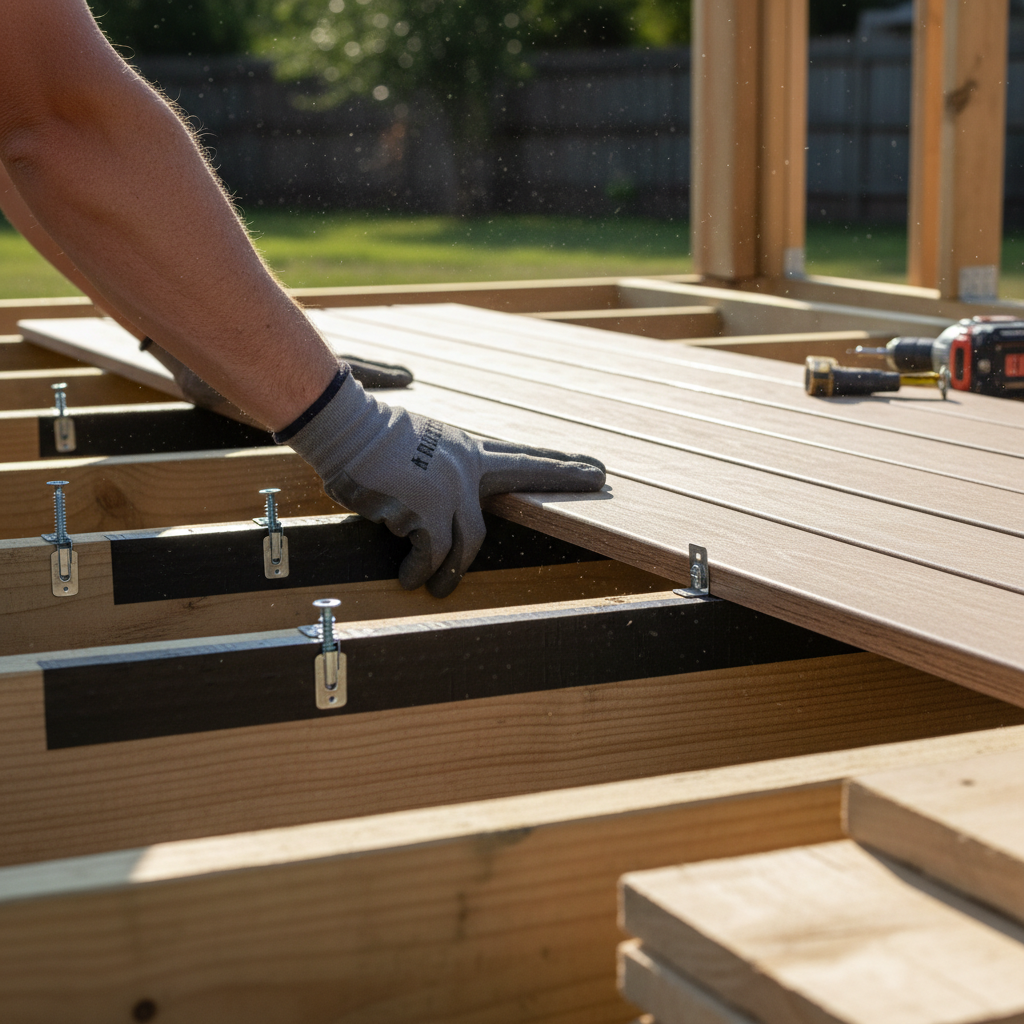
Great decks start with moisture control, stable fastening, and airflow. We seal end grain, flash ledgers, tape joists, set consistent gaps, and specify non-corrosive fasteners. These details limit movement, resist decay, and keep surfaces safer and smoother in Ontario weather.
Moisture Management
- Ledger flashing and drip edges at transitions to keep water out of framing.
- Self-adhesive joist tape to reduce joist rot and dampen galvanic reactions.
- End-grain sealant applied to every cut, particularly at miters and stairs.
Fastening & Spacing
- Hidden fasteners on grooved boards for even gaps and clean faces.
- Predrilling near board ends to reduce splitting, especially with hardwoods.
- Field gaps of 1/8–1/4 inch; 1/4–3/8 inch against house siding, stones, or posts.
Airflow & Access
- Minimum clear ventilation under low decks; louvered skirting for airflow.
- Access panels for hose bibs, electrical, and storage where practical.
- Service routes planned into interlocking paths or lawn areas.
Finishing & Care
- Sample stains on offcuts to test color under your actual sun exposure.
- Gentle soap-and-water cleaning; avoid high-pressure blasts that raise grain.
- Annual inspection checklist: fasteners, loose boards, finish touch-ups, and drainage.
These practices reflect our maintenance-first mindset: we build so your deck is easier to care for after day one.
Tools, Checklists, and Resources
Use a simple toolset—moisture meter, end-grain sealer, joist tape, coated or stainless fasteners, and a reliable drill/driver. Pair it with a maintenance checklist for seasonal cleaning and finish touch-ups. The right tools and habits extend deck life in Ontario conditions.
- Selection & build tools:
- Moisture meter and temperature-aware spacing cards.
- End-grain sealant and brush; self-adhesive joist flashing tape.
- Hidden fastener system compatible with your board profile.
- ACQ-rated coated or stainless screws; countersink where needed.
- Seasonal maintenance checklist:
- Spring: deep clean, inspect fasteners, evaluate finish.
- Mid-summer: spot-clean, check high-traffic treads and borders.
- Fall: leaf removal, rinse salts or fertilizers, confirm drainage.
- Landscape integration:
- Coordinate step rises to interlocking patios and walkways.
- Use garden beds and fencing to frame views and create privacy zones.
- Plan hose access and storage so clutter doesn’t live on the deck.
- Context reads (hardscape planning): For perspectives on Ontario hardscapes and planning considerations, see industry discussions such as interlock driveway pros/cons and pre-hardscaping checklists to think holistically about grades, drainage, and circulation.
Request a Deck + Landscape Planning Call
Planning a deck that ties into interlocking, fencing, and planting? Our Mississauga design-build team can scope the right wood, fasteners, and airflow for your lot and lifestyle.
Case Studies: GTA Projects and What We Chose
On real GTA lots, species choice follows exposure, ventilation, and use. We match PT pine, cedar, or hardwood with hidden fasteners, end sealing, and joist tape. The result is cleaner faces, stable gaps, and surfaces that stay safer and better-looking through Ontario seasons.
Mississauga Urban Courtyard (Near Square One)
- Constraints: Tight setback, limited airflow, direct afternoon sun.
- Selection: Cedar boards with hidden clips; louvered skirting for ventilation.
- Details: Picture-frame border; sealed end cuts; integrated interlocking path to a shed.
- Outcome: Cooler underfoot, clean visual lines, and an easy path for yard tools.
Etobicoke Family Deck (Wind Exposure Near Hwy 427)
- Constraints: High wind, heavy use, grill station adjacent.
- Selection: Pressure-treated pine; stainless screws; joist tape; drip flashing.
- Details: Consistent 3/16-inch gaps; reinforced stair treads with sealed ends.
- Outcome: Rugged wear, easy cleaning after family events, minimal seasonal movement.
Oakville Entertaining Deck (Shaded, Mature Trees)
- Constraints: Persistent shade, leaf litter, and moisture from irrigation.
- Selection: Tropical hardwood with strong airflow (12-inch clearance), hidden fasteners.
- Details: Aggressive end-grain sealing; semi-annual cleaning; louvered skirting.
- Outcome: Refined look with durable surfaces that shed debris and dry quickly.
Across all three, the constant is moisture control and ventilation. The species changes; the system won’t.
Best Practices for AEO-Friendly Answers
Answer “Which wood should I use?” by mapping exposure (sun/water), traffic, finish preference, and maintenance time. In the GTA, PT pine for rugged value, cedar for cooler touch and tone, and hardwood for longevity—each paired with joist tape, end sealing, and hidden fasteners for stability.
- Quick mapping checklist:
- South/west sun + heavy traffic → PT pine or hardwood with hidden clips.
- Compact urban lot + barefoot comfort → Cedar with airflow skirting.
- Shaded, damp site → Composite or hardwood with generous ventilation.
- Gaps and edges: 1/8–1/4 inch between boards; 1/4–3/8 inch to rigid adjacencies.
- Fasteners: Stainless for pools or salt exposure; ACQ-rated coated elsewhere.
- Maintenance rhythm: Clean spring/fall; recoat per finish plan; re-seal fresh cuts when made.
FAQ
Choose deck wood for the GTA by matching exposure, traffic, and maintenance to species: PT pine for rugged value, cedar for cooler comfort, and hardwood for longevity. Pair with hidden fasteners, joist tape, and end sealing to control moisture and movement.
- How do I keep cedar from going gray?
- Use a UV-blocking oil or semi-transparent stain and reapply on schedule. Clean gently first; spot-sand raised fibers; and always seal fresh cuts to slow moisture cycling.
- Are hidden fasteners strong enough for hardwood?
- Yes—when matched to the board profile and used with proper predrilling and ventilation. For extreme loads or stairs, we often combine clips with face screws at critical points.
- What board gaps should I use?
- We target 1/8–1/4 inch between boards and 1/4–3/8 inch to fixed edges. Temperature, humidity, and board moisture at install guide exact spacing.
- Which wood stays coolest on bare feet?
- Cedar often feels cooler under direct sun than many dense hardwoods. Color also matters—lighter finishes reflect more heat than darker tones.
- Can I mix wood with interlocking patios?
- Absolutely. We coordinate step rises, landings, and drainage so movement joints and cleaning are simple. This blend improves circulation and zones the yard effectively.
Conclusion: Smart Selection, Longer Life
The best deck wood for the GTA balances durability, comfort, and upkeep. Choose species to match exposure and use, then build the system: joist tape, end sealing, hidden fasteners, and airflow. That’s how decks stay safer, straighter, and better-looking year after year.
- Key takeaways
- Deck wood selection is about the whole system—not just the boards.
- PT pine = rugged value; cedar = cooler comfort; hardwoods = longevity.
- Moisture control and ventilation drive lifespan in Ontario’s climate.
- Integrating decks with interlock, fencing, and planting improves usability.
- Next steps
- Collect sunlight and shade notes over a day.
- Decide how much time you want to spend on finish upkeep.
- Schedule a design-build consultation to map wood, airflow, and finishes to your lot.
Plan Your Mississauga Deck
Book a design session near 100 Matheson Blvd E unit 202. We’ll align species, fasteners, and finishes with your interlocking, fencing, lawn, and planting for a cohesive outdoor space.


