
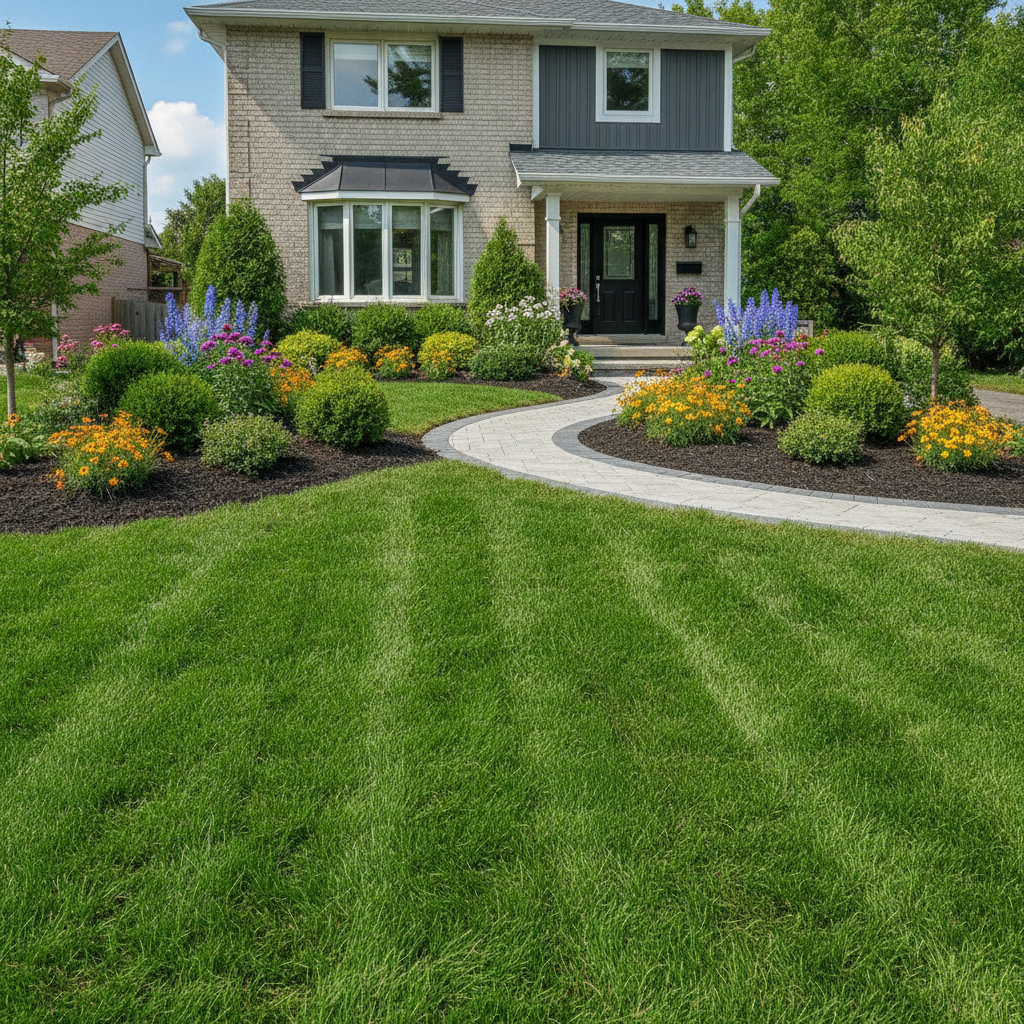
Seasonal landscaping refresh ideas are practical, time-boxed improvements that make an outdoor space look new without a full redesign. In Mississauga, a targeted refresh blends mulch, edging, pruning, sod touch-ups, paver cleaning, and lighting to revive curb appeal fast. Done right, these upgrades set up easier maintenance for the rest of the year.
By HR Greenroots Landscaping • Last updated: July 6, 2026
Seasonal landscaping refresh ideas: Quick start
Start with cleanup, crisp edges, and fresh mulch, then repair lawn thin spots, wash and re-sand pavers, prune for shape, and add low-voltage lighting. In Mississauga, sequence tasks by season: spring beds and sod, summer pruning and irrigation checks, fall leaf and gutter control, and winter hardscape inspections.
Here’s how to use this guide quickly and get visible results fast while keeping long-term care in mind.
- Define your goal: front-yard curb appeal, safer walkways, or a more usable backyard.
- Pick a 1–2 day window for a “Weekend Wow” or schedule a phased plan across the season.
- Work from the edges in: edging → mulch → lawn fixes → hardscapes → plants → lighting.
- Prioritize durable moves that reduce maintenance later (edging, base repair, proper grading).
- Document before/after photos to guide upkeep through the year.
For a cohesive approach, our team combines planting depth, strong base prep, and clean edge control across sod, interlocking, decks, fencing, walls, stone work, sheds, and garden beds—so quick wins today don’t create work tomorrow.
Overview
A seasonal refresh is a focused tune-up that restores order, color, and function across beds, lawn, and hardscapes. It pairs fast visual upgrades (mulch, edging, cleanup) with structural fixes (grading, joints, base repair) so your property looks intentional now and stays easier to maintain all year.
- Scope: mulch and bed cleanup, lawn repair or sod, interlocking care, selective pruning, lighting.
- Outcome: sharper lines, safer paths, healthier plants, and a yard that’s easier to care for.
- Timing: align to Ontario’s seasons to protect plant health and hardscape longevity.
Want a planning companion? See our seasonal maintenance planning guide tailored for Mississauga properties.
What is a seasonal landscaping refresh?
A seasonal landscaping refresh is a concise set of maintenance-minded improvements that elevate appearance and function without a full renovation. It targets the edges, surface layers, and light repairs—mulch, sod touch-ups, paver joint resets, pruning, and lighting—to deliver immediate curb appeal and lower ongoing upkeep.
Think of it as the “tune-up” version of landscape work. Instead of replacing everything, you revitalize what’s there, fix small issues before they grow, and add a few high-impact changes. In our experience, the highest returns come from clear edges, fresh mulch, healthy turf, and clean, level hardscapes.
- Edges and beds: redefine bed lines, install or reset edging, refresh mulch.
- Lawn: overseed thin areas or replace with sod where density won’t recover.
- Hardscapes: pressure-wash, re-sand interlocking joints, lift-and-level if needed.
- Plant health: prune for structure and air flow; update a few underperforming plants.
- Lighting and safety: add low-voltage path lights and step lights for visibility.
Because HR Greenroots integrates design, build, and maintenance, we tune each refresh to your property’s planting layers, local microclimate, and any grade or drainage constraints we observe on-site.
Why seasonal refreshing matters in Mississauga
Seasonal refreshing protects your investment and keeps outdoor areas safe and usable year-round. Mississauga’s freeze–thaw cycles stress pavers, lawns, and beds. Timed tune-ups prevent heaving, compaction, and plant loss, while coordinated edging and drainage keep maintenance hours lower through peak growing seasons.
Here’s the thing: our climate pushes both plants and hardscapes. Spring surge can overwhelm beds; summer heat exposes irrigation or soil issues; fall debris clogs drainage; winter heaving shifts pavers. A refresh done at the right moment stabilizes all three layers—planting, lawn, and hardscape—so you’re not chasing problems later.
- Longevity: repairing joints and correcting slopes extends interlocking life.
- Health: mulching and selective pruning protect root zones and structure.
- Safety: even steps and lit paths reduce slip and trip risks after dark.
- Usability: trimmed circulation and defined zones make decks, patios, and walkways friendlier.
Local considerations for Mississauga
- Use spring walk-throughs to check grading where snow piles melted; low spots near Saigon Park–area properties often show up first after thaw.
- Time pruning and bed cleanup before campus move-in activity around St Clair College @ Acumen Mississauga Campus to avoid peak street congestion.
- Prioritize edge control and drainage checks on frontages facing prevailing winds; they’re the first to collect debris and the last to dry after rain.
For a design-first take on these factors, our Mississauga landscape design service folds climate timing and maintenance into every plan.
How a refresh works: step-by-step
Assess, prioritize, and execute in sequence: debris cleanup, edge definition, mulch, lawn repair, hardscape reset, plant care, and lighting. This order compounds results—each step protects the next—so you finish with sharp lines, healthy growth, and stable surfaces that stay easier to maintain.
We map refreshes in a fixed order to reduce rework. Edges before mulch so lines stay crisp. Joint sanding before sealing so pavers lock and shed water. Pruning before overseeding so sunlight reaches the turf. Here’s a practical workflow you can adapt:
- Walk-through and punch list (15–30 minutes): note trip hazards, drainage issues, plant dieback, and turf density.
- Debris and leaf removal: clear beds, grates, and gutters to restore flow and visibility.
- Edge definition: cut clean bed lines; install metal, stone, or paver edging where needed.
- Mulch refresh: top up to an even layer without burying stems or trunks.
- Lawn recovery: aerate/overseed or replace worst patches with sod; water deeply afterward.
- Paver care: pressure-wash, re-sand joints, lift-and-level settled areas, then seal if appropriate.
- Selective plant updates: swap out underperformers for site-appropriate perennials or shrubs.
- Lighting and safety: add path, step, and accent lighting; verify all fixtures and connections.
If your list includes bigger fixes like retaining walls or deck repairs, we stage those first so the finish work (mulch, planting) stays pristine. Our design–build approach makes that sequencing predictable.
Types of refresh projects (11 proven moves)
Focus on high-impact, low-regret moves: redefine edges, refresh mulch, patch with sod, reset interlocking, prune for structure, update containers, add path lighting, tune irrigation, fix drainage, tidy storage with a shed, and stage accents. These 11 ideas stack for dramatic before/after results.
1) Mulch and bed reset
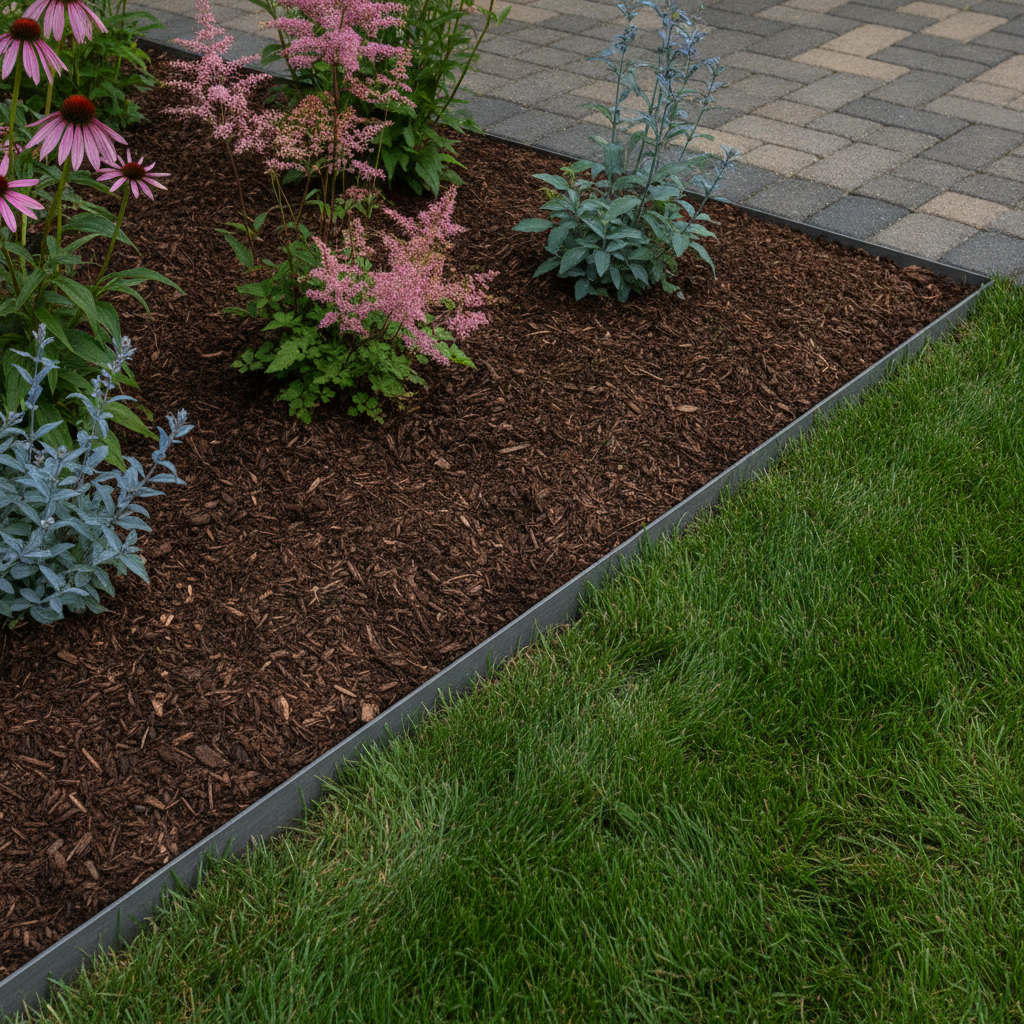
Mulch renewals are the fastest way to clean up visual noise and protect soil moisture. We cut or reset edges first, then install a consistent 2–3 inch layer, keeping mulch off woody stems and siding. Deep, even color immediately lifts curb appeal.
For timing, we prioritize spring installations, then spot top-ups midsummer. For more detailed tips, see our Mississauga garden bed refresh guide.
2) Sod touch-ups and lawn recovery
Thin or patchy turf drags the whole yard down. Where density can recover, we aerate and overseed; where it can’t, we cut clean rectangles and install new sod for an instant reset. Proper watering and first-mow timing are critical to prevent seams.
Considering a bigger change? Explore options in our lawn replacement overview.
3) Interlocking cleaning and joint repair
Interlocking pavers look brand new after a wash and joint re-sand. We address settling by lifting and re-laying on a corrected base, then refill joints for lockup. The result is safer footing, improved drainage, and color that pops again.
If your layout feels disjointed, our front-yard transformation ideas show how pavers, planting, and lighting can reinforce a clear circulation pattern.
4) Deck and fence tune-up
We clear debris from under decks, trim back growth at fence lines, and evaluate posts and footings. Small carpentry fixes and fresh planters can shift a space from “used” to “inviting” without a full rebuild. Where privacy is thin, well-positioned screening shrubs help.
5) Strategic pruning for structure
Selective cuts improve airflow and shape, helping plants resist pests and look intentional. We remove dead, crossing, or inward-facing branches and maintain clear sightlines along paths and driveways. Structure-first pruning supports lower maintenance for the rest of the season.
6) Low-voltage lighting
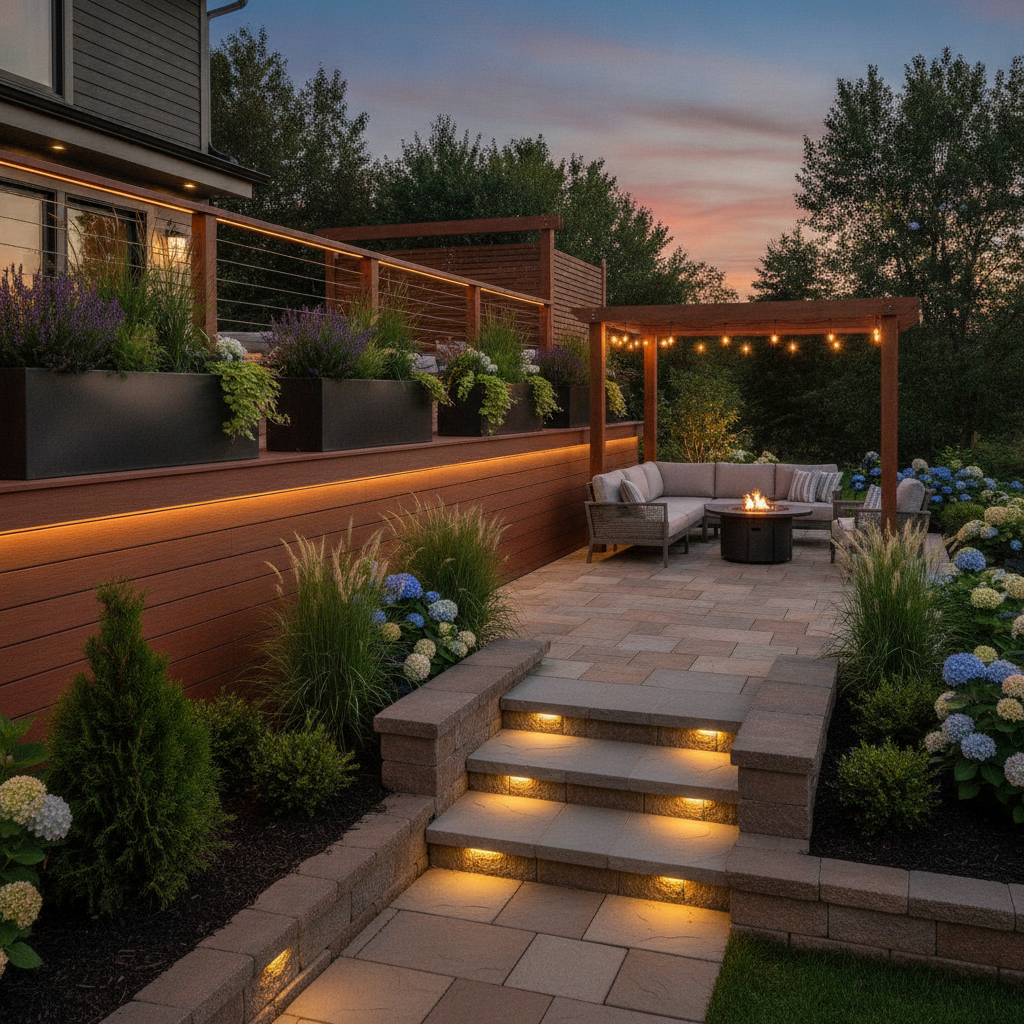
Path, step, and accent fixtures extend the usable hours of decks and patios and lower trip risks. Warm white LEDs (2700–3000K) read cozy and natural. We place fixtures to light from the sides, not directly into eyes, and check transformer capacity and connections.
7) Drainage fixes and grading touch-ups
We look for low spots and reverse slopes that send water toward foundations or across walkways. Minor grading and swale definition, plus pop-up emitters or catch basins, can keep beds and hardscapes drier after storms. Fix these before cosmetic steps.
8) Retaining walls and armour stone accents
Where slopes challenge circulation, small wall segments or armour stone outcrops create level, useful space. We engineer bases and drainage to handle freeze–thaw and protect adjacent surfaces. Walls can be staged as part of a longer-term yard plan.
9) Containers and entry accents
Seasonal planters at the entry or deck add height, color, and a focal point. We repeat 2–3 colors across beds and pots for cohesion, and we choose container sizes that won’t dry out daily in summer.
10) Storage clarity with a shed
Clutter kills curb appeal and slows yard work. A compact, well-sited garden shed organizes tools and cushions, protects lumber, and frees deck space. We align shed paths and pad materials with nearby pavers for a consistent language.
11) Weekend Wow: stage and style
After the structural refresh, finish with furniture layout, hose hides, welcome mats, and a few strategic accents. A simple rule: clear sightlines to doors and steps, and place seating where you naturally pause or look out.
Best practices we use on projects
Prioritize sequence and structure: edges before mulch, base repair before surface cleaning, pruning before overseeding, and lighting after circulation is clear. Choose site-appropriate plants, size materials for durability, and document maintenance steps so the refresh holds up through the season.
Sequence that saves time
- Cut edges before mulch so lines stay visible all year.
- Lift-and-level pavers before you re-sand and seal.
- Prune and thin canopies before lawn repair to improve light at the soil.
- Address drainage before planting so roots aren’t set in soggy soil.
Durability choices
- Use continuous metal or stone edging where mowing strips are tight.
- Set pavers on a well-compacted base; heavier-use areas need deeper base layers.
- Choose mulch that knits together in wind and resists fading.
- Favor plant species that fit your sun, soil, and watering pattern.
Documentation and care
- Keep a one-page plan with photos, plant names, and watering notes on the fridge.
- Log simple dates: mulch top-up, first mow after sod, paver reseal year.
- Mark utilities and irrigation zones on your site plan for future work.
For a coordinated plan that bakes these moves into your layout, browse our landscaping services in Mississauga.
Tools and resources (homeowner + pro)
You don’t need a truckload of tools. A refresh kit includes a sharp spade, edging tool, wheelbarrow, rake, pruners, hose, pressure washer access, polymeric sand, and basic lighting components. Add a level, tamper, and string lines for paver touch-ups; rent heavier gear as needed.
Homeowner kit
- Spade, half-moon edger, leaf rake, and garden fork
- Hand pruners, loppers, and a pruning saw
- Wheelbarrow, tarps, gloves, eye and ear protection
- Hose with sprinkler and a simple soil moisture meter
Paver and hardscape add-ons
- Pressure washer access (or a wand at a self-serve bay)
- Joint sand (polymeric for stability), push broom, and plate compactor rental
- 4-ft level, rubber mallet, hand tamper, and string lines
Lighting components
- Low-voltage transformer sized to your total wattage
- 12V path, step, and accent fixtures; weatherproof connectors
- Timer or smart controller to automate dusk-to-dawn schedules
For broader context on regional design considerations, see this regional design guide and this backyard landscaping overview. For a general industry summary, this landscaping overview outlines common elements.
Case studies and Mississauga examples
Small, well-sequenced moves drive outsized results. We’ve found that clean edges, uniform mulch, and a single sod patch can lift first impressions, while a joint reset on pavers and three path lights transform safety and nighttime look—without redesigning the yard.
Front-yard curb appeal near Saigon Park
A homeowner with a tired lawn and messy beds wanted a quick lift before hosting. We recut edges, added dark mulch, patched sod at the walk, and re-sanded the front path joints. The house read 10 years newer from the street, and mowing time dropped thanks to clearer edges.
Planning your own curb-appeal sprint? Pair this section with our front-yard ideas and align tasks with the seasonal planning guide.
Backyard usability tune-up off Burnhamthorpe
Circulation around a deck and shed felt cramped. We thinned shrubs for sightlines, moved two planters to widen a path, lifted and leveled three sunken pavers, and added step lights. The family now uses the patio after dinner without tripping worries.
Driveway and walk safety in a wind corridor
An exposed frontage collected debris and stayed wet after storms. We introduced a shallow swale to move water away, swept and washed pavers, re-sanded, and added one accent light to guide guests at the turn. The surface now dries faster, and scuffs are less visible.
Curious how we stage changes? Learn how our design–build process sequences heavy work before finish layers.
Seasonal timing checklist
Time tasks to Ontario seasons for best results. Spring favors edges, mulch, and lawn repair; summer suits pruning, irrigation checks, and light paver care; fall targets leaf and gutter control plus overseeding; winter focuses on inspection and planning for next year.
Season Priority moves Why it works Spring Edges, mulch, dethatch/aerate, sod patches, paver reset Cool soil supports root growth; sets the look for the year Summer Light pruning, irrigation tests, spot top-ups, lighting Long days show circulation needs; heat exposes dry spots Fall Leaf and gutter control, overseeding, bed cleanup Milder temps root seed; prevents winter mold and rot Winter Inspect hardscapes, plan changes, book spring windows Freeze–thaw reveals base issues to fix next seasonWhen your punch list grows beyond DIY, our Mississauga landscaping services consolidate sod, pavers, decks, fencing, retaining walls, stone, sheds, and planting under one plan.
Frequently Asked Questions
Homeowners ask about timing, DIY vs. pro scope, mulch depth, and whether to patch with sod or seed. The short version: align to season, tackle structure before cosmetics, use 2–3 inches of mulch, and patch with sod when density won’t recover from overseeding.
What should I do first for a fast refresh?
Start with cleanup and crisp edges, then add mulch. Next, repair obvious lawn thin spots and reset paver joints where they’re loose. Finish with selective pruning and a few path lights. This order compounds results and keeps you from redoing work.
Is it better to overseed or use sod for patches?
Overseed when the area still has reasonable density and soil contact. Use sod for bare or compacted spots that won’t fill in within a few weeks. We often combine both: overseed broadly, then sod the worst rectangles for an instant, even look.
How much mulch should I add?
Aim for an even 2–3 inches across beds. Keep mulch a few inches away from trunks and stems to prevent rot. Top up in spring, then spot-treat midsummer where wind or foot traffic thins coverage.
When should I reset paver joints?
Reset joints when sand is missing, pavers wobble, or water pools. Wash the surface, sweep in polymeric sand, compact, and repeat as needed. For settled areas, lift and re-lay on a corrected base before re-sanding and sealing.
Key takeaways
Sequence creates speed. Define edges, refresh mulch, repair lawn, reset pavers, prune, then light your paths. In Mississauga, time each move to the season and fix drainage before cosmetics. Document simple care steps so your refresh keeps paying off all year.
- Work from structure to finish: edges → mulch → lawn → pavers → plants → lighting.
- Fix drainage and slopes early; they protect everything else.
- Standard depths and right materials make maintenance easier.
- When scope grows, consolidate work under a cohesive design–build plan.
Next steps
Block a weekend for edges, mulch, and lawn fixes, then schedule hardscape and lighting as add-ons. If you need help, book a Mississauga walk-through so we can right-size your plan and stage heavy work before the finish layers.
Soft CTA: Ready for a punch-list walk-through? We’ll evaluate edges, grading, turf density, and hardscape stability, then prioritize a refresh that lasts. Explore our coordinated landscaping services in Mississauga or start with a design consult.
Final CTA: Book a discovery session in Mississauga and let’s plan a seasonal refresh that looks sharp on day one—and stays that way.


