
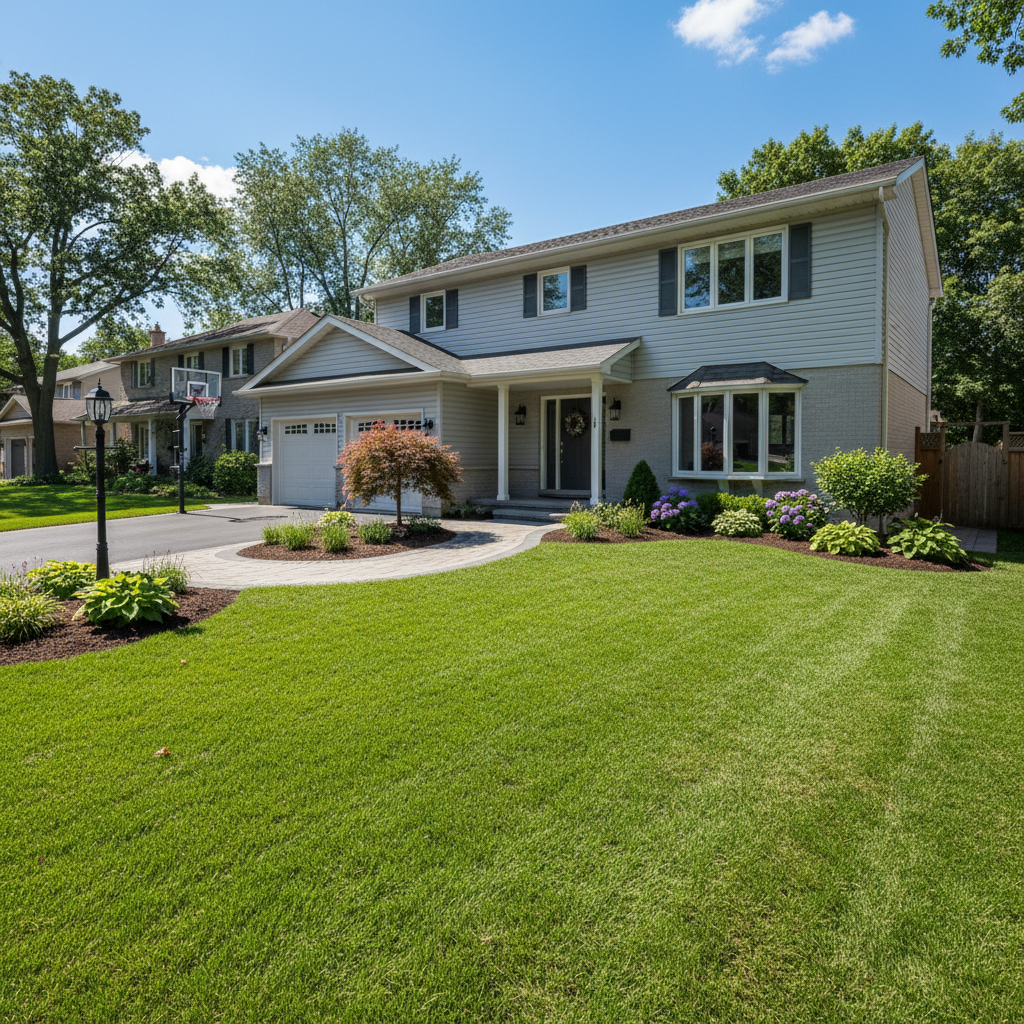
Mississauga lawn replacement options are the practical ways to refresh or reimagine turf using premium sod, low‑mow blends, garden bed conversions, or hardscape expansions. At 100 Matheson Blvd E unit 202 in Mississauga, HR Greenroots Landscaping designs and installs these solutions end‑to‑end so your lawn looks intentional on day one and stays resilient.
By HR Greenroots Landscaping • Last updated: 2026-05-21
Start Here: Your Mississauga Lawn Replacement Playbook
Choose a lawn replacement path by matching your site’s grading, sunlight, and maintenance goals to the right method: premium sod for instant coverage, low‑mow blends for water savings, garden beds for biodiversity, or interlocking/deck expansions for durable use. A quick site walk guides the best-fit plan.
There’s no single “best” approach—only the best fit for your yard and how you use it. This guided, local-first playbook helps you decide confidently.
At a Glance
- Clarify outcomes: instant curb appeal, less mowing, more usable space, or lower watering.
- Pick an approach: premium sod, fescue/clover, bed conversion, or hardscape expansion.
- Plan the base: grading, soil amendment, and clean edge control determine longevity.
- Sequence the work: fix slopes and drainage before any planting or interlock.
- Build maintenance in: simple habits keep results sharp season after season.
Table of Contents
- What Is Lawn Replacement?
- Why It Matters in Mississauga
- How Lawn Replacement Works
- Types of Lawn Replacement Options
- Best Practices for Durable Results
- Tools and Resources
- Case Studies and Examples
- Pricing & Value Drivers (No Numbers)
- FAQ
- Conclusion
What Is Lawn Replacement?
Lawn replacement is the planned removal or overlay of tired turf with a new surface that better fits your goals—instant sod, low‑mow seed mixes, expanded planting beds, or hardscapes. It starts with grading and soil health, then uses clean edges and right‑sized maintenance to keep results crisp.
In our experience across Mississauga and the GTA, “replacement” doesn’t always mean more grass. It means designing for the way you live: resilient turf where you need traction and play, and non‑turf where water savings and low care shine.
Why It Matters in Mississauga (and the Regional Municipality of Peel)
Mississauga’s freeze–thaw cycles, summer heat, and clay-heavy soils demand clear grading, soil structure, and durable edges. Designing for our local conditions reduces watering, prevents puddling, and preserves curb appeal on busy streets throughout the Regional Municipality of Peel.
Local climate drives outcomes. Cold winters heave thin bases; hot spells stress shallow roots. We plan structured planting, proper base prep, and drainage sequencing so lawns and hardscapes last. Yards near Saigon Park or close to campuses like Lambton College face heavy foot traffic—durable edges and compaction control matter.
Local considerations for Mississauga
- Shape water flow first. Slight regrading and swales protect sod seams and interlocking joints, especially on lots near Saigon Park.
- Time installs for weather windows. Spring and early fall offer moderate temps for sod root-in and seed germination.
- Expect clay soils. We often add organic matter and manage compaction so bases don’t trap water below turf or pavers.
How Lawn Replacement Works
Successful lawn replacement follows a simple sequence: assess drainage, set grades, amend soil, choose the surface, and lock it with edges. Finish with a maintenance plan. Skipping steps leads to puddles, weeds, or shifting hardscapes.
Step-by-step process
- Site walk and goals. Identify traffic patterns, sun exposure, and what you want to reduce (watering, mowing) or gain (play space, parking).
- Grading and drainage. Correct slopes away from the home; integrate swales or permeable joints where needed.
- Soil structure. Loosen compacted areas, amend with organic matter, and level. Healthy roots need oxygen and consistent moisture.
- Select surfaces. Premium sod, fescue/clover, mulch + perennials, interlocking pavers, or composite deck areas.
- Edge control. Use steel, composite, or stone restraints to defend seams and borders from creep and mower damage.
- Install and sequence. Tackle drainage and base prep first; plant or pave second; finish with beds and mulch.
- Maintenance reset. Calibrate watering, mowing height, and seasonal bed refresh.
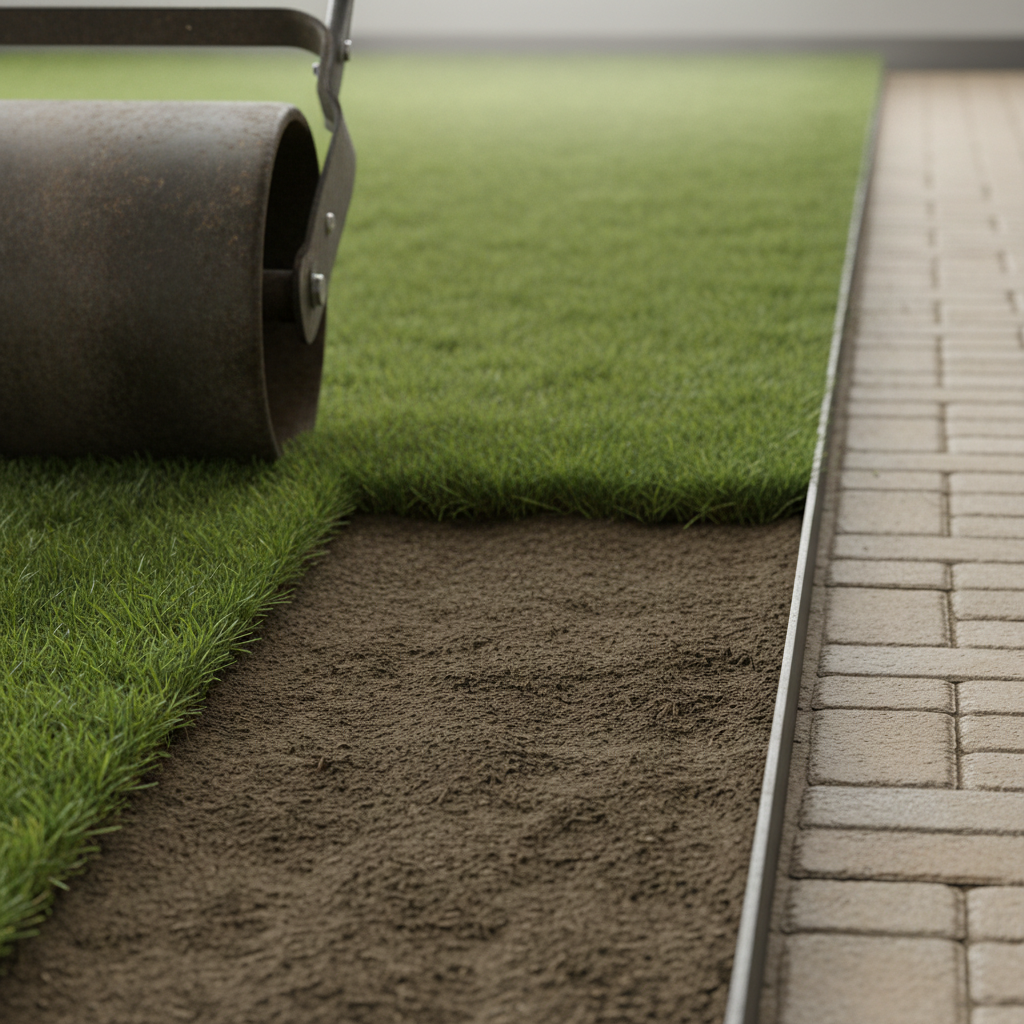
Why sequence matters
- Drainage before beauty. Fix grades first, or you’ll chase puddles and dieback later.
- Compaction control. Paver and deck bases must be dense; turf roots need air. We balance both zones intentionally.
- Edge-first thinking. Clean edges protect your investment—less creep, cleaner mowing, and better weed exclusion.
We design and build in one coordinated plan, so sod seams align with walkway lines, bed curves, and downspout routes. That cohesion is what keeps properties low‑maintenance after we leave.
Types of Lawn Replacement Options (Compared)
Your main choices are: premium sod for instant coverage, low‑mow fescue/clover for fewer inputs, bed conversions for biodiversity, and hardscape expansions (interlocking or decks) for durable use. Mix and match by zone for balanced curb appeal and easy care.
Primary options we design and install
- Premium sod installation. Fastest curb appeal; great for front yards and play areas. We prep, grade, and roll for tight seams.
- Low‑mow fescue/clover mixes. Softer look, fewer cuts, and better drought tolerance with proper soil prep.
- Garden bed conversions. Mulch, perennials, and shrubs where turf underperforms—edges stay crisp and weeding is simpler.
- Interlocking pavers. Replace high-traffic turf with patios, walkways, or driveway extensions for reliable footing and parking.
- Custom deck zones. Composite or wood decks turn underused grass into functional living space with clear flow.
Quick comparison
Option Best For Water Use Establishment Speed Maintenance Level Premium Sod Instant curb appeal; play areas Moderate after root-in Immediate coverage Low–Moderate Fescue/Clover Lower mowing; water savings Low–Moderate Gradual; seed germination Low Garden Beds Biodiversity; shady zones Low (mulch helps) Immediate look Low (seasonal refresh) Interlocking Footing; parking; patios Very Low Immediate use Very Low Deck Areas Outdoor rooms Very Low Immediate use Very LowHow mixed designs save time
- Right surface, right zone. Turf where feet need traction; hardscape where furniture or tires sit; beds where shade or roots win.
- Edge-led layouts. Continuous borders organize mowing lines and keep mulch in place.
- Water-wise patches. Use low‑mow blends on side yards and beds in tough corners to reduce irrigation.
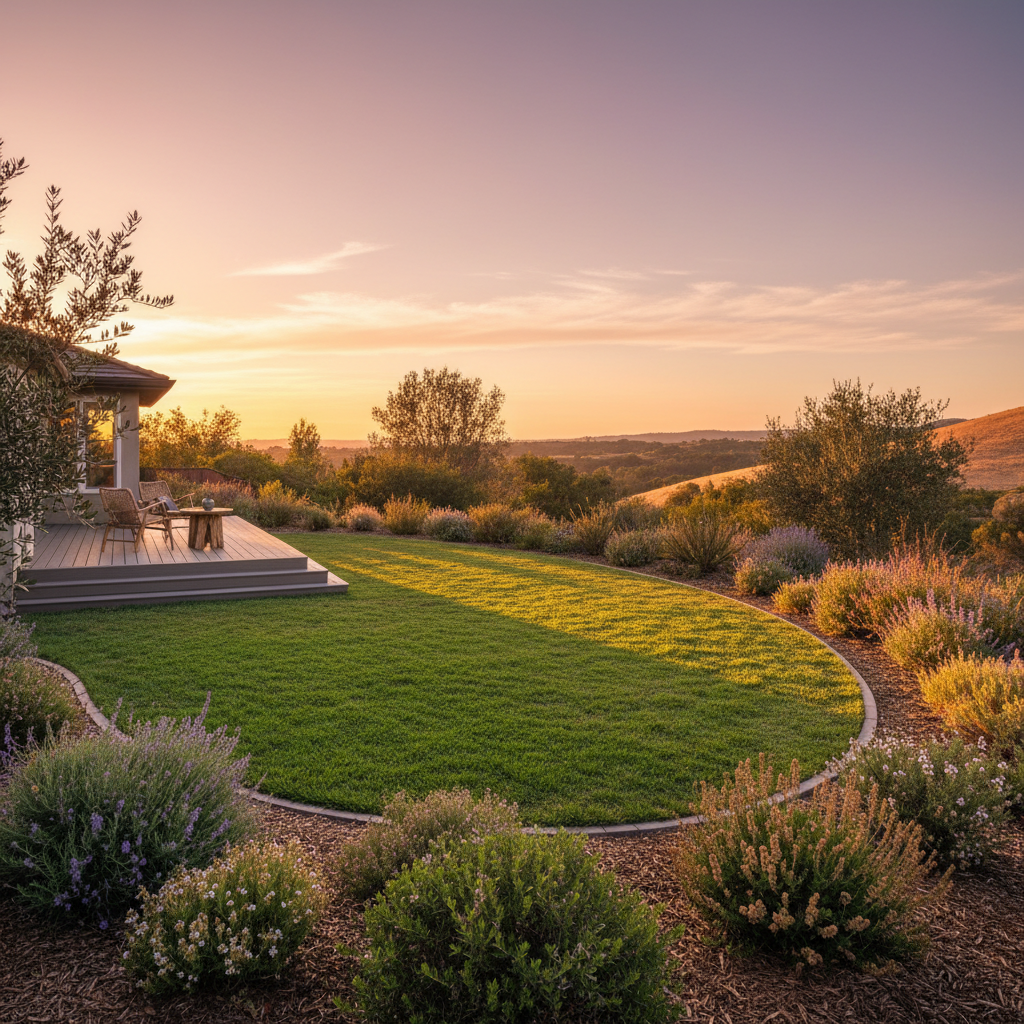
Best Practices for Durable Results
Prioritize drainage and grading, prepare a stable base, and defend edges. Choose plants and surfaces that fit sun, soil, and traffic. Lock in a simple maintenance routine. These practices are what keep Mississauga lawns clean and low‑stress.
Site and soil
- Grade first. Target gentle slopes away from structures and manage downspouts with splash pads or drains.
- Amend clay. Blend organic matter where soil is tight; avoid burying construction debris that traps water.
- Compaction strategy. Densify paver bases while keeping planting zones friable.
Sod and seed establishment
- Tight seams. Stagger sod joints and roll for soil contact so roots knit fast.
- Mow high. A taller cut shades soil and strengthens roots for summer heat.
- Water patterning. Deep, infrequent watering trains deeper roots; watch shaded zones for slower drying.
Hardscape durability
- Base prep matters. Depth and compaction vary by use: patios vs. walkways vs. driveways.
- Edge restraints. Steel, composite, or concrete curbs stop creep and protect turf lines.
- Joint sand and sealing. Maintain paver joints and drainage lines for long-term stability.
For deeper design context specific to our region, see our landscape design and build guide and our GTA landscaping overview.
Tools and Resources
You don’t need pro‑grade gear to plan well—just a level, string lines, a hose, and a notepad. For building, the right compactor, roller, and edge restraints make outcomes predictable. This checklist keeps projects organized and on schedule.
Planning checklist
- Sketch zones: turf, beds, pavers, deck.
- Mark water paths and low spots after rain.
- Identify sun/shade changes through the day.
- List routines: mowing, watering, leaf cleanup.
- Note utilities and gate widths for material access.
Install kit (typical)
- Grading tools: rakes, level, string lines, stakes.
- Base gear: plate compactor for pavers; roller for sod.
- Edging: steel or composite restraints; spikes.
- Soil tools: aerator (if needed), wheelbarrow, shovels.
- Watering: hose, sprinkler, timer if you’re away.
Ready to explore sod in detail? Dive into our Mississauga sod installation guide for base prep and care steps.
Case Studies and Examples
Blended designs often perform best: sod up front for instant curb appeal, water‑wise mixes on side lots, and interlocking where feet or tires sit. These quick scenarios show how we tailor plans to real Mississauga properties.
Corner-lot curb appeal (front yard)
- Challenge. Patchy turf, trampled edges, downspout washouts.
- Plan. Regrade to push water away, install premium sod with steel edging, add a stone walkway tie-in.
- Result. Instant green, protected seams, simpler mowing lines, and clear foot traffic.
Side-yard water saver
- Challenge. Narrow strip bakes in summer and browns early.
- Plan. Replace with fescue/clover; maintain clean border to the driveway with composite edging.
- Result. Fewer cuts and reduced watering on a low‑use strip.
Driveway extension + walkway
- Challenge. Insufficient parking; torn turf along car doors.
- Plan. Interlocking driveway extension and front‑door walkway; reset sod seams to new straight edge.
- Result. No ruts, better access, and cleaner look from the street.
For an end‑to‑end view of what we deliver, browse our landscaping services in Mississauga.
Pricing & Value Drivers (No Numbers)
Project value hinges on scope, site access, and base preparation—not just the surface you choose. The most durable results align grading, edges, and materials to your use patterns, reducing fixes later and protecting curb appeal.
- Scope and sequencing. Combining regrading, sod, and interlock in one coordinated plan removes rework.
- Access and logistics. Clear paths for materials and equipment speed the build and reduce lawn disturbance.
- Material choices. Premium sod varieties, durable pavers, and composite decking extend service life.
- Maintenance setup. Defined edges, mulch refreshes, and calibrated watering protect your investment.
Considering a replacement? Book a quick site assessment with HR Greenroots Landscaping to align goals, grading, and materials before anyone turns a shovel.
Frequently Asked Questions
Mississauga homeowners ask about timing, watering, and whether to pick sod or low‑mow mixes. Here are crisp answers to help you choose and care for your new lawn with confidence.
What’s the best season to replace a lawn in Mississauga?
Spring and early fall offer moderate temperatures and regular rainfall, which help sod root-in and seed establish. Summer projects can succeed with careful watering and shade management, while late fall is best reserved for cleanup and bed edging ahead of winter.
How do I choose between premium sod and a low‑mow mix?
Pick sod if you want instant coverage, uniform texture, and clear mowing lines. Choose a fescue/clover blend if water saving and less mowing matter most. Many yards blend both: sod for front curb appeal and seed mixes for side and back zones with lighter use.
Can I reduce watering without losing a green look?
Yes. Combine deeper, less frequent watering with taller mowing and soil improvement. Replacing low‑use turf patches with drought‑tolerant mixes, beds, or interlocking also cuts irrigation demands while keeping your property clean and welcoming.
What’s the most overlooked step in lawn replacement?
Edge control. Clean, continuous edging protects seams, defines mowing lines, and keeps mulch contained. It’s the small detail that prevents creeping turf and reduces hand-weeding over time.
Conclusion
The best lawn replacement plan balances instant curb appeal, water savings, and durable surfaces. When grading, soil, and edges are set first, Mississauga properties stay sharp with less effort—season after season.
- Pick the right surface for each zone: sod, low‑mow, beds, or pavers/decks.
- Fix grades and soil before installing anything.
- Protect with clean edges and a simple maintenance routine.
- Coordinate work once to avoid rework later.
Key takeaways
- There’s no one-size lawn—mix methods by zone for function and care.
- Drainage and base prep drive durability more than any single product.
- Edges are insurance: less creep, clearer lines, and easier upkeep.
- Local timing and soil choices make Mississauga installs last.
Want a plan built around your property? We’ll walk the site, map water and foot traffic, and deliver a cohesive design so your next season starts strong.
For additional regional design context and inspiration beyond Mississauga, see these perspectives on yard transformations in neighboring communities such as Ajax backyard landscaping ideas, a concise take on design guides that work, and a broader view of landscape design in Durham Region.


