A landscape design-build in Mississauga typically runs 4–12 weeks from signed plan to final walkthrough, depending on permits, weather, and scope. At HR Greenroots Landscaping (100 Matheson Blvd E, Unit 202), we streamline each phase—design, approvals, prep, and installation—so you know exactly how long a landscape design build takes and how to avoid delays.
By HR Greenroots Landscaping • Last updated: 2026-05-20
Summary at a Glance
Most Mississauga landscape design-builds take 4–12 weeks: 1–3 weeks for design and approvals, 1–2 weeks for prep, and 2–7 weeks for construction. Schedule utility locates, permits, and material selections early to prevent gaps. Weather and scope drive timelines; integrated design-build keeps work moving.
Here’s what you’ll learn and use right away:
- Typical timelines for patios, sod, decks, fences, retaining walls, sheds, and garden beds.
- Prerequisites that compress schedules: early locates, permit clarity, and fast material choices.
- Step-by-step process from concept to handoff, with exact handoffs that save days.
- Troubleshooting tips for weather, supply, and subtrade bottlenecks.
- Local insights for Mississauga and the Regional Municipality of Peel.
How long does a landscape design-build take?
Expect 4–12 weeks for most residential design-build projects. Compact scopes like sod or a small patio fit 1–4 weeks; complex scopes with walls, decks, or permits push 8–12+. Front-load utility locates and approvals to avoid idle days and resequencing.
Timelines vary with scope and season, but the levers stay consistent. Our design-build team plans sequencing so excavation, base work, and plantings follow cleanly, reducing remobilizations.
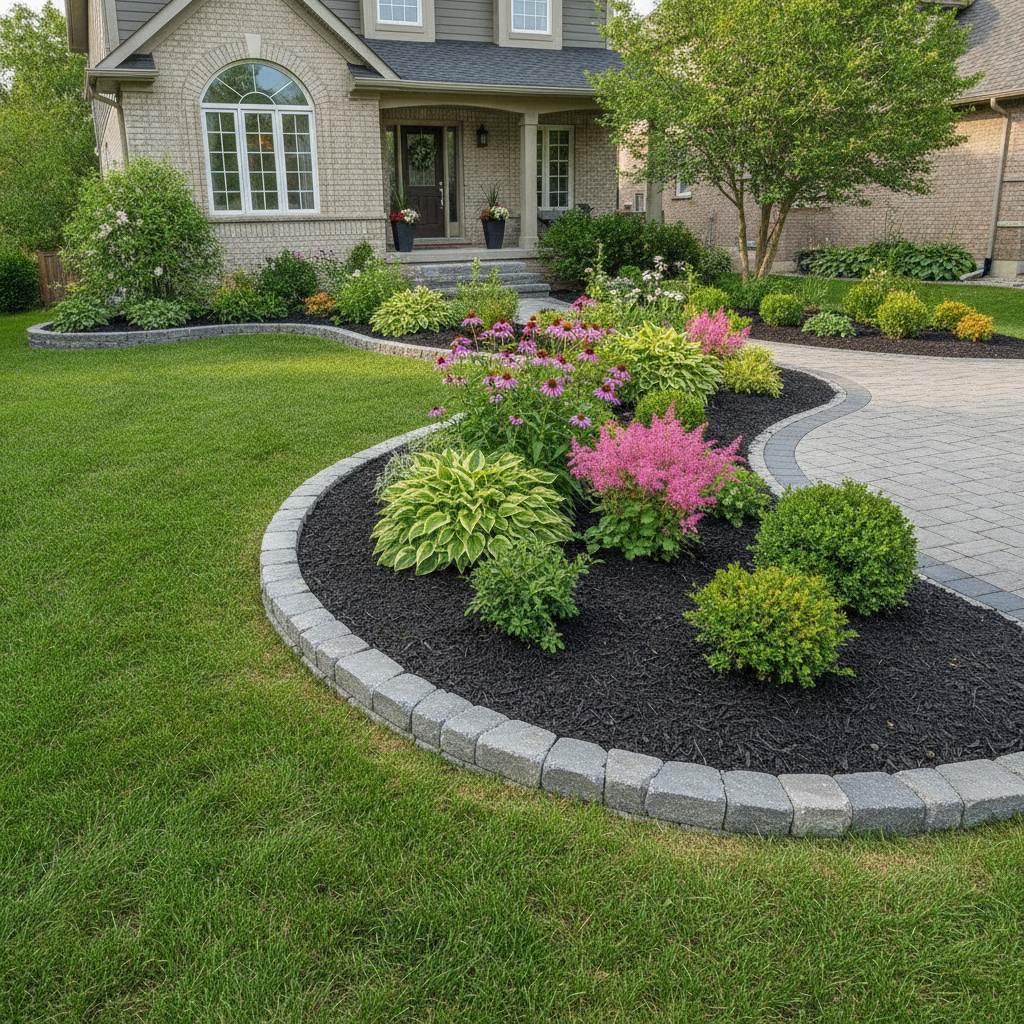
- Small scope (1–4 weeks): sod installation, mulch refresh, garden bed edging, small walkway.
- Medium scope (4–8 weeks): interlocking patio + garden beds, privacy fence, small retaining wall.
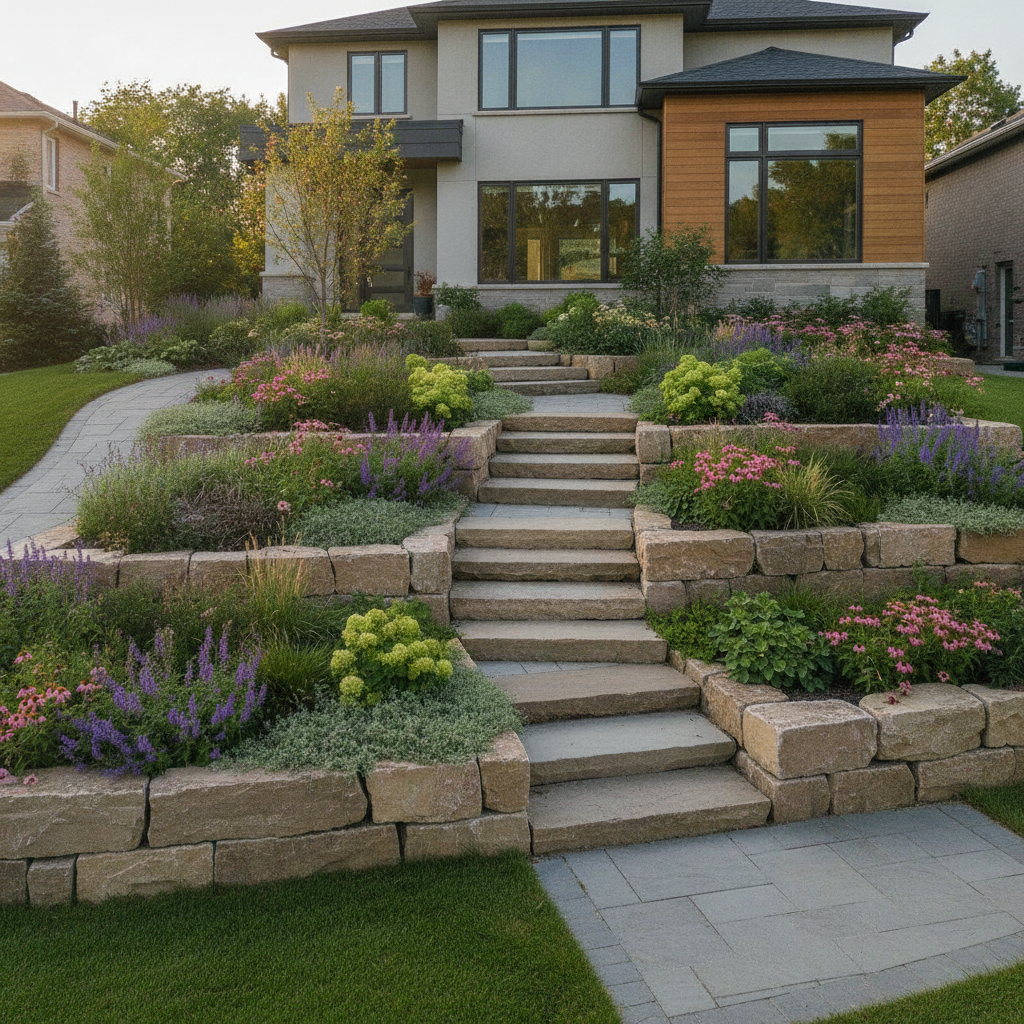
- Large scope (8–12+ weeks): driveway extension + patio + retaining walls + deck + structured planting.
In our experience coordinating Mississauga projects, lining up locates and any deck/shed permit needs before demolition saves 5–10 calendar days.
Before You Start (Prerequisites)
Lock the essentials before mobilization: site photos and measurements, concept alignment, material selections, utility locates, and any permit requirements. Clear decisions compress the design phase and prevent construction holds.
Core information we gather on day one
- Site documentation: property lines, grading slopes, downspouts, tree roots, and access points.
- Pain points: patchy lawn, water pooling, lack of privacy, cramped parking, storage gaps.
- Scope targets: interlocking patio, walkway installation, driveway extensions, deck services, fence installation, retaining wall, sod installation, stone work, garden shed installation, mulching & garden beds.
Decisions that cut weeks
- Material shortlist ready: choosing paver color, pattern, and edge restraint system early avoids reorders.
- Plant palette agreed: structured, Ontario-suited layers so substitution risks are low if a shrub is unavailable.
- Permits mapped: simple decks, accessory sheds, and some walls may need permits; clarity avoids resubmissions.
- Utility locates scheduled: exterior digging waits for clearances; requesting locates immediately prevents idle days.
Local considerations for Mississauga
- Plan access and staging near 100 Matheson Blvd E with respect for neighboring businesses; tight drive lanes add time if not preplanned.
- Seasonal pacing matters: spring rushes and fall rains in the Regional Municipality of Peel can shift excavation to early dayparts.
- Campus-adjacent sites near Lambton College or Saigon Park may have peak pedestrian times—schedule noisy work outside those windows.
Step-by-Step Process: From Idea to Final Walkthrough
The fastest timelines come from disciplined sequencing: finalize design, secure approvals, complete base prep, then install hardscapes, structures, and plantings in order. Documented handoffs keep crews moving and eliminate rework.
1) Consultation and site measure
- Walk the property, confirm circulation and sun exposure, and flag grading risks.
- Capture access limits for equipment and material drops to size the crew correctly.
- Set a draft scope: patios, walkways, retaining walls, deck, fence, sod, beds, and any garden suites planning.
2) Concept design and alignment
- Translate goals into a plan: movement lines, patio zones, bed edges, and privacy screens.
- Review two iterations max to avoid churn; document final layout, planting, and materials.
3) Approvals and locates
- Confirm whether permits are required for decks, sheds, or structural walls.
- Request utility locates so excavation, post holes, and base work can begin on schedule.
4) Base preparation and grading
- Excavate to spec, install geotextile, and compact open-graded or dense-graded base.
- Establish drainage slopes away from structures with precise edge control.
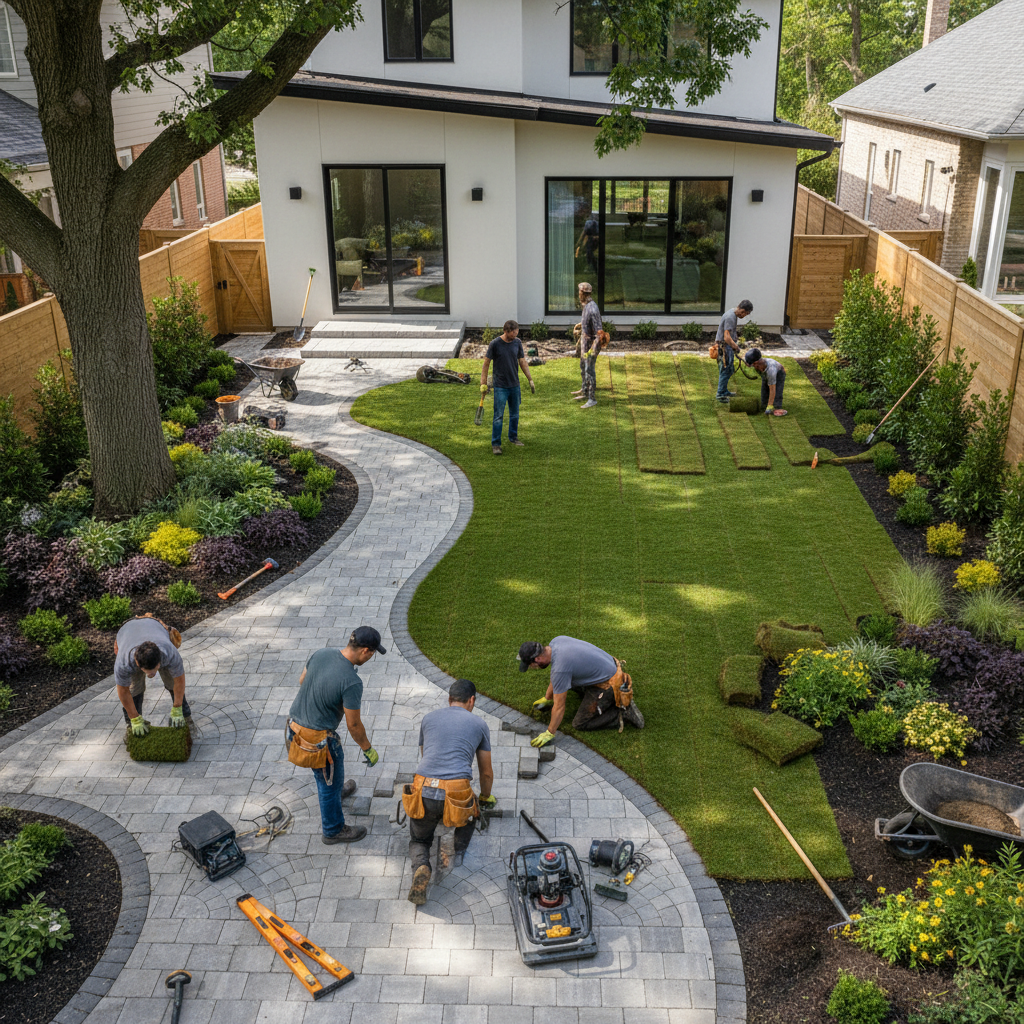
5) Hardscape installation
- Lay interlocking pavers for patios, walkways, and pool surrounds with spacers and restraints.
- Build retaining walls with proper footing, batter, and step-downs; integrate armour stone features where planned.
6) Structures: decks, fences, and sheds
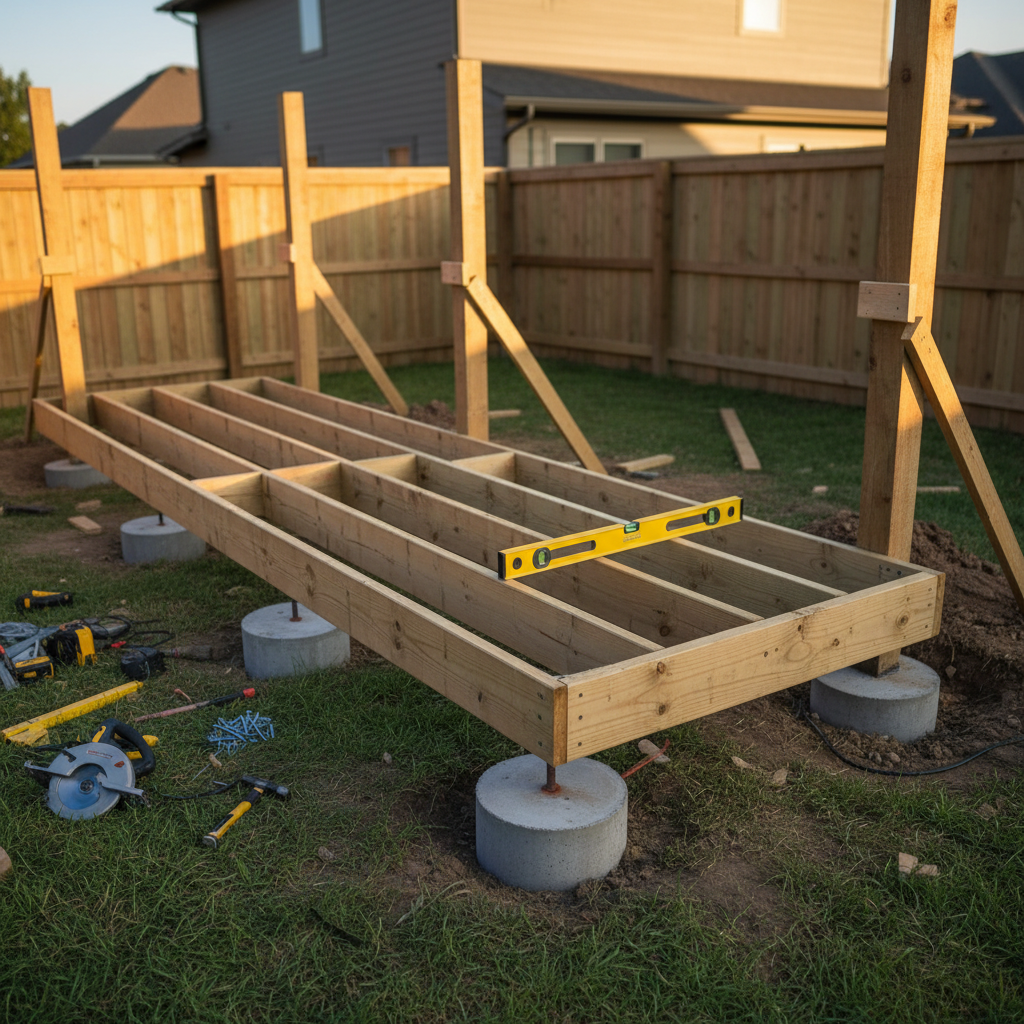
- Set footings, align joists, and confirm railing/post layouts per approved design.
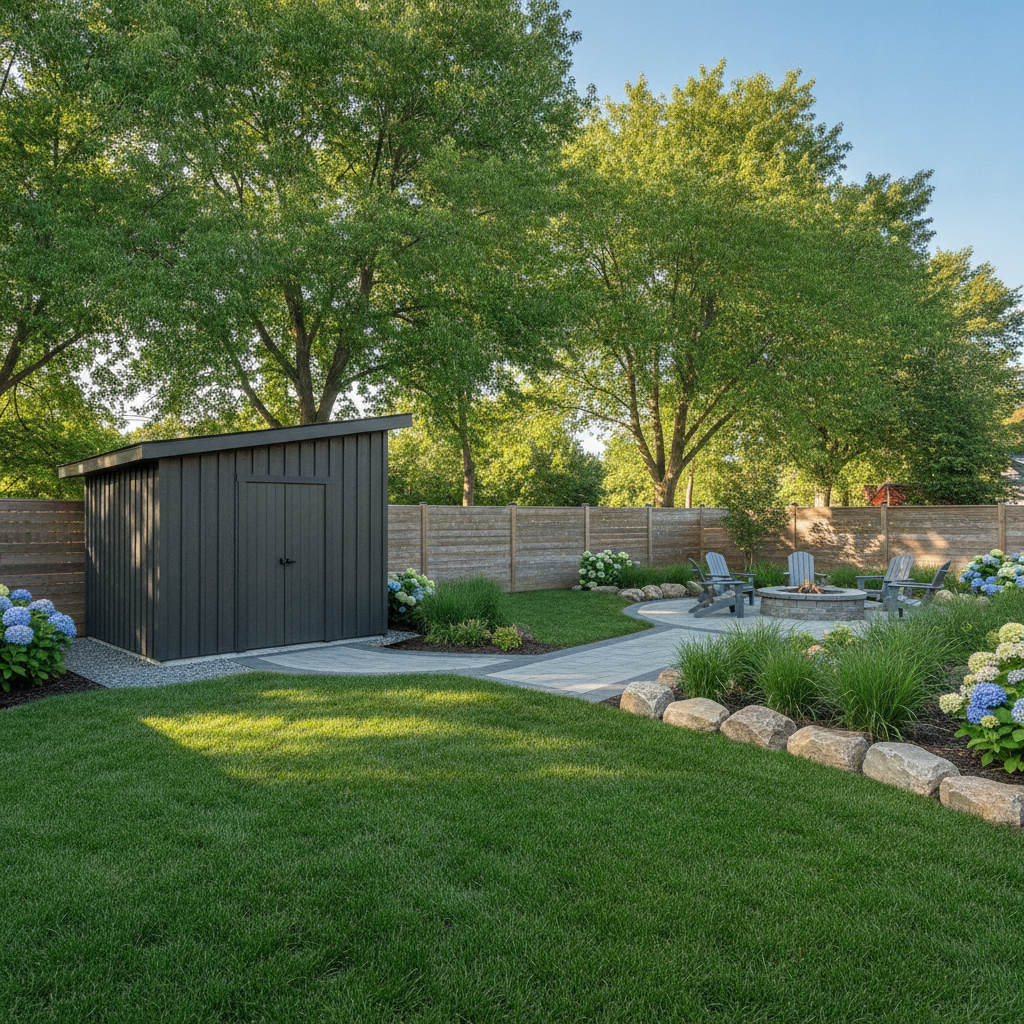
- Install privacy and security fencing; assemble garden sheds with proper anchors and drainage.
7) Planting and sod installation
- Place trees and shrubs per structured plan; add soil amendments where needed.
- Finish with premium sod, tight seams, and clean sprinkler-friendly edges.
8) Clean-up, punch list, and handoff
- Power sweep, fine grade, and top off polymeric sand where specified.
- Finalize the punch list and provide maintenance notes for the first season.

Typical Timelines by Project Type (Mississauga + GTA)
Simple scopes often take 1–4 weeks; combined hardscape + structures run 6–10+ weeks. Overlapping design approvals with preorder of standard materials shortens schedules without adding risk.
Use these experience-based ranges to plan your season. Weather, site conditions, and permit status may expand or compress windows.
Project Type Design & Approvals Site Prep Build Window Total Typical Sod installation / lawn replacement 0–3 days 1–2 days 1–3 days 2–7 days Interlocking patio or walkway 3–7 days 2–4 days 3–10 days 2–4 weeks Privacy fence 1–3 days 1–2 days 2–6 days 1–2 weeks Retaining wall 3–7 days 2–5 days 5–15 days 3–6+ weeks Deck services (small–mid) 5–10 days 2–4 days 7–20 days 3–6+ weeks Driveway extension 3–7 days 2–4 days 4–10 days 2–4 weeks Garden shed installation 2–5 days 1–2 days 1–3 days 1–2 weeks Full-yard transformation 2–3 weeks 1–2 weeks 4–8+ weeks 8–12+ weeksPermits, Utility Locates, and Seasonal Windows
Most delays trace to permits, locates, or weather. Confirm permit needs early, request locates immediately, and align planting and base work with local seasonal windows to stay on schedule.
- Permits: decks, tall fences, and structural walls may require approval; pre-submittal checklists reduce resubmissions.
- Utility locates: excavation for posts, walls, and grading should follow clearances to maintain safety and momentum.
- Seasonal windows: spring/fall are ideal for planting and sod; stable, dry periods suit base compaction and interlocking.
Here’s the thing: the fastest projects treat paperwork like work. When we queue locates and permit files as soon as the concept is aligned, field crews rarely sit idle.
Troubleshooting: What Slows Projects Down (and How to Fix It)
Delays often come from late selections, scope creep, or weather holds. Timebox decisions, phase complex scopes, and protect the base with tarps and pumps to keep the calendar intact.
Common issues and fast fixes
- Material backorders: carry an approved alternates list so substitutions don’t reset the clock.
- Design churn: lock iterations and document “as-built” adjustments on site to avoid rip-and-replace.
- Wet subgrade: pump, tarp, and switch to drainage tasks; resume compaction when moisture is right.
- Hidden site conditions: shallow utilities or buried rubble—shift to non-invasive tasks while revising the plan.
Weather strategy that actually works
- Front-load excavation and base work on dry windows; move planting to cooler mornings.
- Stage polymeric sand and sealing for low-wind, low-moisture days to avoid rework.
- Keep a rolling 10-day schedule with backup tasks so crews stay productive.
Advanced Tips to Save Weeks
Use parallel tracks. While designs finalize, prebook locates, line up standard pavers, and confirm deck hardware. Short, frequent updates keep momentum; overlapping low-risk tasks shaves days.
- Standardize where it’s safe: choose in-stock pavers, common post sizes, and widely available plants.
- Batch inspections: group footing and framing checks to reduce remobilization.
- Protect the base: tarp overnight and after rain so compaction stays on spec.
- Sequence for access: heavy equipment paths first; sod and beds last to avoid damage.
- Maintenance-minded planning: mulched beds and clear edges reduce callbacks and upkeep time.
Want a reliable timeline? Book a quick planning call with HR Greenroots Landscaping. We’ll map prerequisites, sequence crews, and give you a clear start window in Mississauga and the GTA.
FAQ: Landscape Design-Build Timelines
Most questions come down to scope, season, and approvals. Here are clear, direct answers that help you plan with confidence.
How long does a landscape design build take for a small yard?
Simple scopes like sod replacement, a short walkway, or a small patio often wrap in 1–4 weeks once designs and locates are ready. Weather and access can add days, so protect the base and keep selections final.
Do I need permits for a deck, fence, or retaining wall?
Some decks, taller fences, and structural retaining walls may require permits. Verifying requirements before demolition prevents schedule gaps. We align submittals early so field crews can move straight from prep to install.
When is the best season to start in Mississauga?
Spring through fall works well. We compact bases during drier stretches and plant in cooler windows for better establishment. Rain plans, tarps, and backup tasks keep the schedule moving even when weather shifts.
What can I do to speed up my project?
Decide quickly on pavers, plants, and layouts, and approve viable alternates. Request utility locates as soon as concepts are aligned. Keep weekday availability for questions so we can clear blockers fast.
Additional Resources
Use these practical reads to plan scope and sequence. They reinforce how decisions and preparation influence schedule.
For broader context on planning and scope definition beyond Mississauga, you may find these helpful:
- Regional homeowner guide on phasing and construction flow: Landscape construction guide.
- Design ideas that translate into faster builds when materials are standardized: Durham design ideas.
- Backyard transformation overview that illustrates scope bundling: Ajax backyard landscaping.
Conclusion and Next Steps
Plan early, decide fast, and overlap low-risk tasks. That’s how design-build projects land on time—even with weather. A coordinated team and clear handoffs compress timelines without cutting corners.
- Key Takeaways
- Most projects: 4–12 weeks based on scope and season.
- Front-load permits, locates, and selections to save 1–3 weeks.
- Protect base work and maintain a rolling 10-day task plan.
- Sequence heavy access first; finish with sod and beds.
Action steps:
- Walk your property and list must-haves vs. nice-to-haves.
- Shortlist in-stock pavers, deck hardware, and plant substitutes.
- Book a site consultation so we can map your start window.
Ready to move? Book a discovery visit in Mississauga and we’ll build a timeline you can count on.