
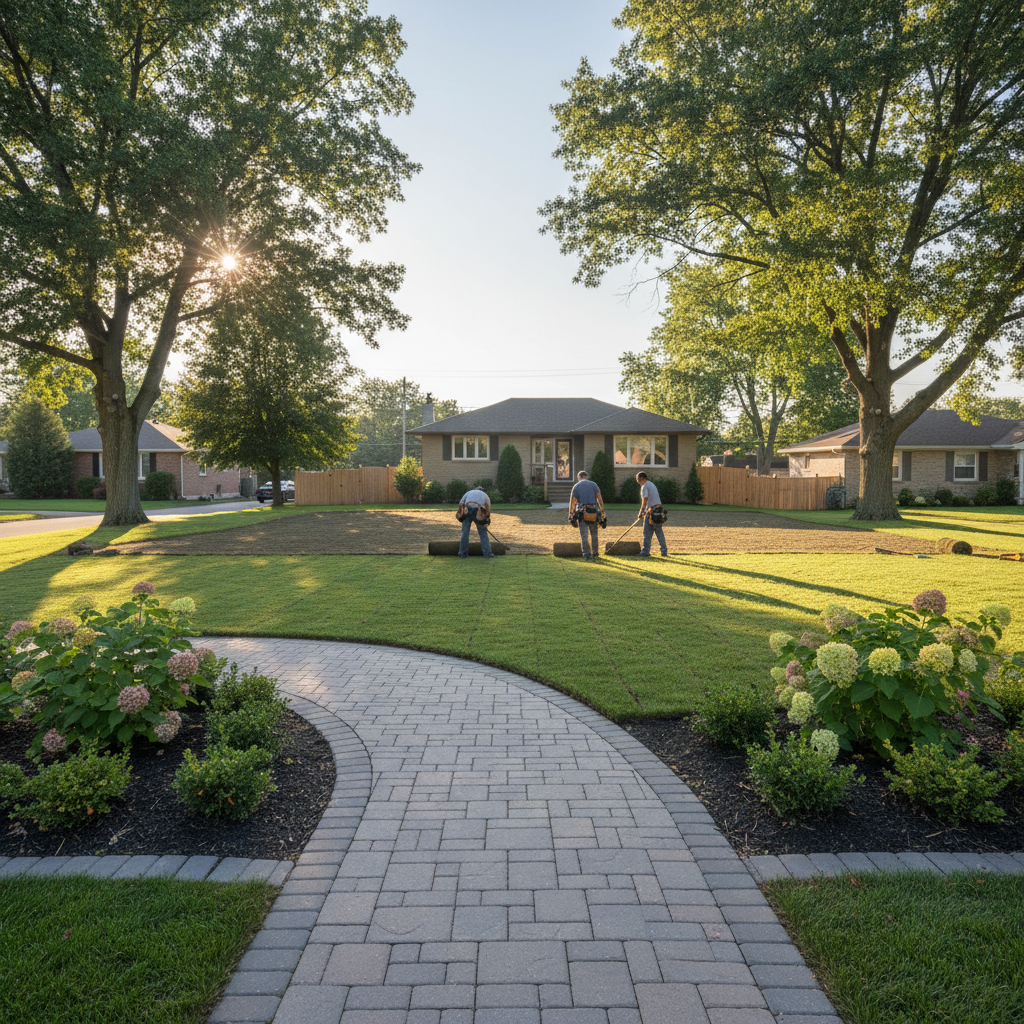
The best time for sod installation in Mississauga is late August through September, when soil is warm and air is cooler, giving roots 3–6 weeks to establish before frost. Spring (late April to early June) is also strong. From our base at 100 Matheson Blvd E unit 202, we plan installs around this window.
By HR Greenroots Landscaping • Last updated: 2026-05-19
At a Glance: Overview
For Mississauga lawns, the ideal sod window is late summer into early fall, followed by late spring. Warm soil plus moderate air temperatures speed rooting while lowering heat stress. Aim for 3–6 weeks of growing conditions before the first hard frost or sustained heat waves.
Homeowners ask one question every season: when should I lay new turf so it takes fast and lasts? Here’s the short version we share during on-site consultations.
- Top pick: Late August–September (warm soil, cooler air, regular rain)
- Also good: Late April–early June (cool air, rising soil temps)
- Marginal: Early October (watch frost risk and daylight)
- High risk: Mid-June–mid-August heat waves; mid–late October cold snaps
In our experience designing and building landscapes across Mississauga and the GTA, timing is only half the story. Prep quality, grading, and watering discipline drive the outcome.
Quick Comparison Table
Use this table to quickly compare sod timing by month in Mississauga. We score rooting speed, weather risk, and watering load so you can align your install with real-world conditions and your schedule.
Month/Window Rooting Speed Weather Risk Watering Load Notes Late Aug – Sept Fast (2–3 weeks initial) Low–Moderate Moderate Our top pick; warm soil accelerates root knit, cooler air reduces stress. Late Apr – early Jun Moderate–Fast Low–Moderate Moderate Reliable spring rains help; avoid saturated or frozen subgrades. Early Oct (first 10–14 days) Moderate Moderate–High Low–Moderate Works if frost is late; daylight is shorter so act quickly. Mid–Late Oct Slow High Low Only with soil still warm and forecast mild; monitor frost closely. Mid Jun – mid Aug Fast if watered High (heat) High Possible, but heat spikes demand strict irrigation and shade management. Nov – Mar Minimal High (freeze) Low Not recommended; frozen ground blocks rooting.If you’re mapping a broader yard transformation, coordinate sod timing with hardscapes. See our landscape design and build overview and our dedicated sod installation service to synchronize tasks.
Our Top Pick: Late Summer–Early Fall (Late August–September)
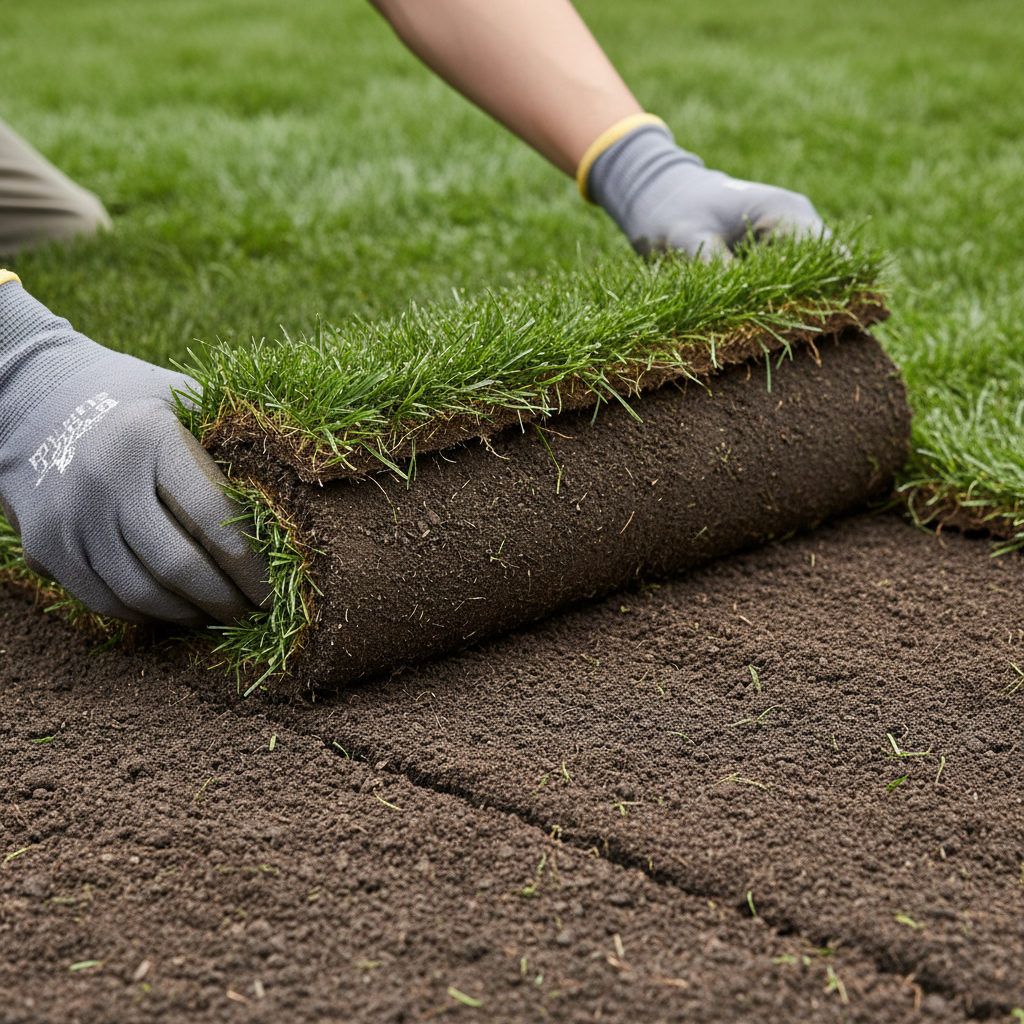
Late August through September is the best overall window in Mississauga. Soil holds summer warmth, daytime highs ease, and evening humidity helps sod knit fast. This gives 3–6 weeks of reliable growth before frost, lowering watering stress while accelerating root establishment.
Here’s why this is our first choice across Mississauga and the Regional Municipality of Peel.
- Warm soil, cooler air: Soil typically remains warm from summer, while cooler air reduces evapotranspiration, so sod loses less moisture while rooting.
- Predictable rain patterns: Late-summer storms plus steady fall showers reduce the manual watering burden.
- Long enough runway: Aim to install 30–45 days before your area’s first hard frost for dependable knit.
- Balanced schedule: Families are back to routines, making a watering plan easier to execute consistently.
In our projects, we see initial root grab within 10–14 days and stronger tug resistance by week three when homeowners follow our watering schedule. Pairing sod with finished walkways and borders keeps edges clean and reduces scalping risk during first mows.
Local considerations for Mississauga
- Early fall installs root well after hot spells. We often stage pallets near Saigon Park jobs to beat traffic and lay in the morning shade.
- Back-to-school routines help regular irrigation; set timers for short, frequent cycles the first 7–10 days.
- When lawns border interlocking, we roll edges so seams meet paver height for safe mowing.
Entry #2: Spring (Late April–Early June)
Spring is a close second for Mississauga sod. Cool air protects blades while rising soil temperatures support rooting. Use well-drained, prepared subgrades to avoid puddling, and target a 2–4 week establishment window before late-June heat arrives.
Spring weather is forgiving, but wet soils and unpredictable cold snaps demand good planning.
- Watch soil condition: Work only when the subgrade is friable, not saturated. Footprints that hold shape mean it’s too wet.
- Soil temperature: Rooting is most efficient once soil stays above roughly the mid‑50s °F.
- Rains help, drainage matters: Spring showers are beneficial if grades move water off the lawn and away from foundations.
- Coordination: If you’re adding a patio or walk, complete excavation and base compaction first, then bring sod to finished grade.
We often pair spring sod with lawn replacement projects that also refresh garden beds and mulch. Clean edges and soil amendments reduce weed pressure and improve first-season performance.
Entry #3: Early Fall Window (Mid-September–Early October)
Mid-September to early October can still work well if the forecast remains mild. You’ll trade longer nights for cooler days and steady moisture. Prioritize fast installation and consistent irrigation, then restrict traffic for at least two weeks.
In a typical year, we reserve this window for smaller or simpler front yards where logistics are straightforward.
- Frost watch: Move pallets as early as possible, lay quickly, and roll within hours to maximize contact.
- Daylight: Shorter days slow photosynthesis; keep blades upright by mowing high once growth resumes.
- Irrigation: Cooler air often means fewer minutes per zone, but keep the root zone evenly moist the first 10–14 days.
When a fall push includes new edging or step work, we phase hardscape first so the sod is the final, clean finish.
Entry #4: Late Spring Window (Late May)
Late spring is viable if you can water consistently as temperatures climb. Install on a firm, graded base with starter fertilizer worked into the top inch. Plan for daily light irrigation during week one, then taper as tug resistance improves.
This pick suits homeowners who want a green-up before summer gatherings.
- Heat prep: Shade tents or temporary covers on west-facing exposures can reduce afternoon stress in week one.
- Mowing height: Keep the first few mows at 3.0–3.5 inches to protect crowns and encourage deeper roots.
- Traffic control: Use boards to bridge across fresh seams if you must cross often during setup.
We routinely sync late-spring sod with driveway extension edges and walkway borders so mower wheels ride level from day one.
Entry #5: Early October (Short Runway)
The first 10–14 days of October can work when forecasts are mild and soil remains warm. Act fast: lay, roll, and water the same day. Expect slower top growth, but rooting will proceed if temperatures cooperate.
We reserve this slot for small areas, repairs, or finishing touches on larger builds.
- Install speed: Pre‑grade, stage pallets, and schedule a same‑day roller pass to lock contact.
- Moisture management: Cooler air lowers evaporation, so adjust minutes, not frequency, to keep soil evenly damp.
- Frost protocol: If frost is in the forecast, water the afternoon prior and avoid foot traffic at dawn.
On compact repairs following retaining wall installations, this window neatens the site before winter.
Entry #6: Mid‑August Ramp-Up (For Experienced Watering)
Mid-August can succeed if you’re disciplined with irrigation and shade management. Soil is hot, so roots start quickly, but leaf stress is real. Plan multiple short watering cycles per day, protect west-facing exposures, and avoid heavy foot traffic for two to three weeks.
This choice is for homeowners who can monitor watering closely during hot spells.
- Irrigation cadence: Short, frequent cycles (for example, 8–12 minutes, 2–3 times daily) beat one long soak during week one.
- Heat mitigation: Use temporary shade on harsh exposures and water early morning to reduce burn risk.
- Seam care: Stagger seams in a brick pattern and close gaps under 0.25 inch to prevent drying edges.
If you’re planning a bigger backyard refresh with patio work, browse this external design inspiration for sequence ideas from regional peers: regional landscape design ideas.
How to Choose Your Installation Window
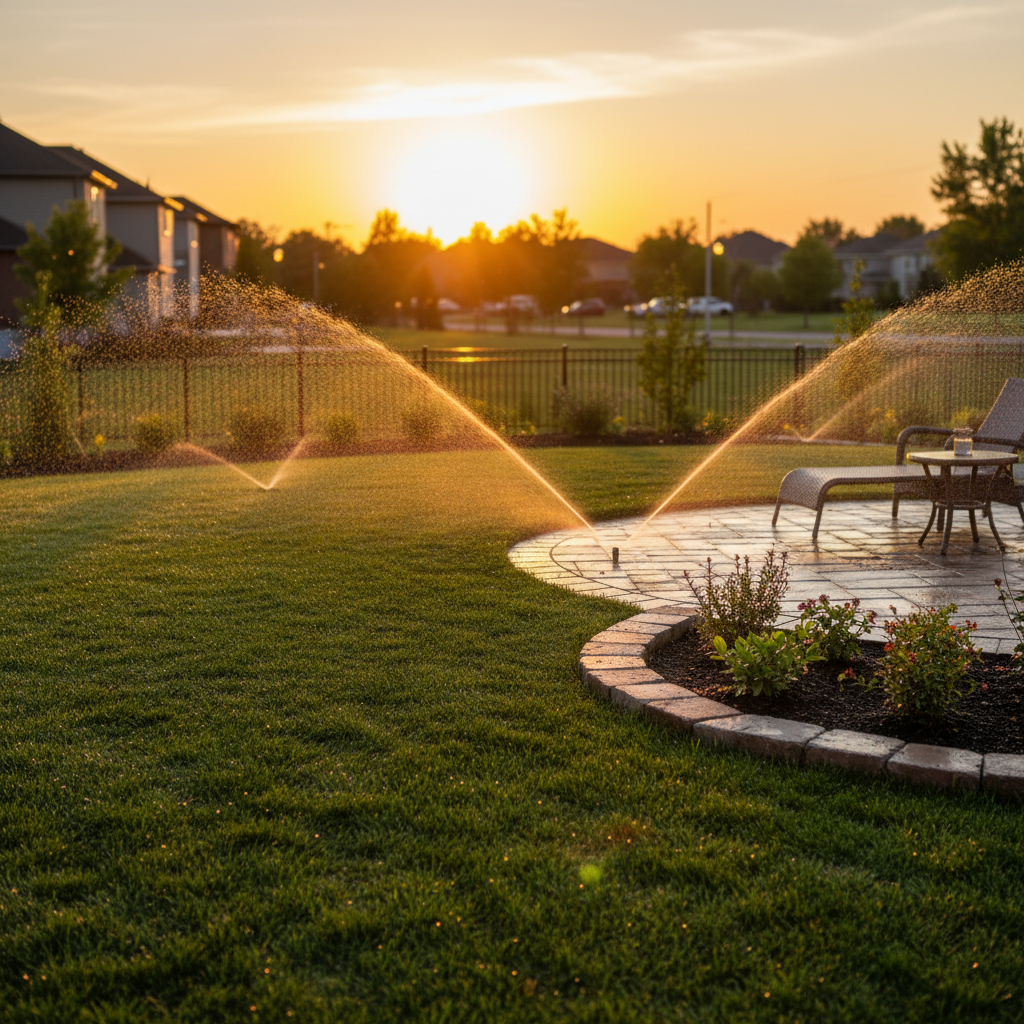
Pick a sod date by matching weather, watering capacity, and project sequence. Prioritize warm, workable soil, a 2–4 week establishment runway, and an irrigation plan you can sustain daily for at least 7–10 days.
Here’s our practical decision checklist used on Mississauga site walks.
- Weather look‑ahead: Scan 10–14 day forecasts for extreme heat or early frost. A calm stretch is your friend.
- Soil readiness: Subgrade should be graded, firm, and slightly moist—no standing water, no powdery dust.
- Logistics: Schedule deliveries for morning; install the same day sod is cut to preserve freshness.
- Watering capacity: Confirm hose reach or an irrigation controller program. New sod needs daily moisture initially.
- Project sequencing: Finish heavy hardscapes first, then lay sod last so the lawn becomes the clean finish layer.
We coordinate these steps across full projects—decks, pavers, fencing, walls—to deliver a cohesive finish. See our GTA landscaping guide for broader planning tips.
Buying Guide: Prep, Install, Watering Fundamentals
Successful sod hinges on base prep, tight seams, and disciplined watering. Grade for drainage, amend the top 2–3 inches, lay promptly, roll for contact, then keep the root zone evenly moist for 10–14 days while avoiding heavy traffic.
Site preparation essentials
- Remove old turf: Strip 1–1.5 inches. Dispose and level subgrade.
- Correct grading: Pitch 1–2% away from structures. Eliminate birdbaths and soft spots.
- Amend topsoil: Blend organic matter into the top 2–3 inches to improve water holding and rooting.
- Edge control: Install paver restraints or edging before sod so borders stay crisp.
Installation technique
- Lay the day it’s cut: Fresher sod establishes faster. Stage pallets in shade.
- Stagger seams: Brick pattern; avoid long straight seams to reduce drying risk.
- Roll contact: Pass a lawn roller (roughly 75–100 lb water-filled) to press roots to soil and remove air gaps.
- Edge finish: Trim tight against pavers, decks, and fences to prevent scalping later.
Watering program (first month)
- Days 1–3: Keep the top inch consistently moist. Two to three short cycles daily are common.
- Days 4–10: Maintain moisture; begin reducing frequency if the turf resists a light tug.
- Days 11–21: Shift toward deeper, less frequent watering as roots chase moisture downward.
- Traffic: Minimize use for 2–3 weeks; first mow at 3.0–3.5 inches once growth resumes.
For a step-by-step walk‑through, explore our sod installation service and professional sod guide.
Planning a full yard upgrade?We can stage interlocking, fencing, and retaining walls so sod is the clean final step. Book an on‑site consultation from our Mississauga office to align timing and sequence.
Contact HR Greenroots Landscaping
Methodology: How We Pick the Best Months
We combine local project data with Mississauga weather patterns and turf establishment principles. Our team tracks rooting speed, watering load, and post-install issues by month to refine recommendations each season.
Our approach blends field outcomes with practical constraints homeowners actually face.
- Field tracking: We log install dates, first‑mow timing, and tug‑test results across dozens of local projects annually.
- Weather review: We plan around 10–14 day forecasts and typical frost/heat timing to protect the establishment window.
- Soil behavior: We match timing to subgrade readiness, not just the calendar—firm, graded, and slightly moist beats any specific date.
- Project sequencing: Sod is scheduled after hardscapes so heavy work never crosses fresh turf.
If you want additional design context, these regional inspiration pieces are helpful for sequencing ideas: Ajax backyard landscaping and Durham Region landscaping ideas.
Frequently Asked Questions
Here are clear answers to the most common sod timing questions we hear in Mississauga. Use them to plan your project window, watering routine, and first maintenance steps with confidence.
How long before I can walk on new sod?
Limit foot traffic for the first 10–14 days. Once the sod resists a gentle tug and blades are growing, you can start light use. Hold off on heavy furniture, pets running, or kids’ games until after the first mow at about 3.0–3.5 inches.
Is summer sod a bad idea?
Not always. Sod can establish in summer if you water diligently and protect west-facing areas from harsh afternoon sun. Plan multiple short irrigation cycles in week one, then taper as tug resistance improves. Expect a higher watering load than spring or fall.
What soil prep gives sod the best start?
Grade for drainage, amend the top 2–3 inches with organic matter, and firm the surface so footprints don’t sink. Install edging before sod, then roll after laying to remove air gaps. Good prep shortens the establishment period and reduces future maintenance.
When should I mow for the first time?
Mow when the grass reaches about 3.0–3.5 inches and the sod resists a light tug. Use a sharp blade and remove no more than one-third of the height. Keep the mower wheels off fresh edges by using stable borders and gentle turns.
Can I fertilize new sod right away?
Use a light starter fertilizer at install if recommended by a soil test, then wait 3–4 weeks before the next application. Over‑fertilizing early can stress shallow roots. Water thoroughly after any feeding to move nutrients into the root zone.
Conclusion and Next Steps
Choose late August–September for the easiest Mississauga sod installs, with late spring as a strong alternative. Prep thoroughly, lay fast, roll for contact, and follow a disciplined 3‑week watering plan to lock in results.
- Best window: Late summer–early fall; spring is next best.
- Prep matters: Grading, amendments, and edging drive long-term success.
- Watering wins: Daily light moisture first week, then taper.
- Sequence smartly: Finish hardscapes first; sod last.
Ready to transform your lawn? Explore our sod installation and see how we combine design-build planning with tight execution. Book a discovery visit in Mississauga today.


