
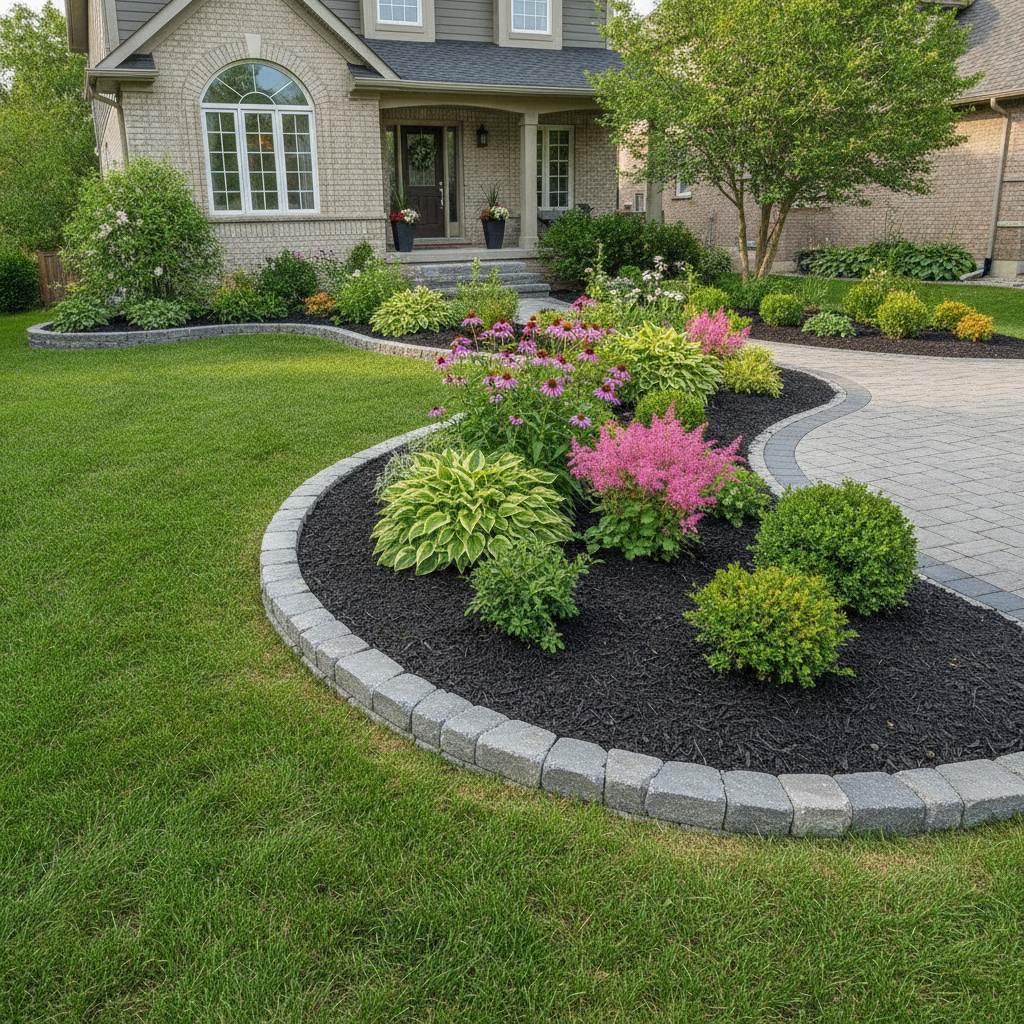
Mississauga garden bed refresh refers to professionally cleaning, edging, mulching, pruning, and replanting beds to restore curb appeal and reduce upkeep. The process controls weeds, stabilizes soil moisture, and improves plant health in one coordinated visit. Done right, a refresh creates clear edges, layered color, and simpler maintenance for the season.
By HR Greenroots Landscaping • Last updated: 2026-07-02
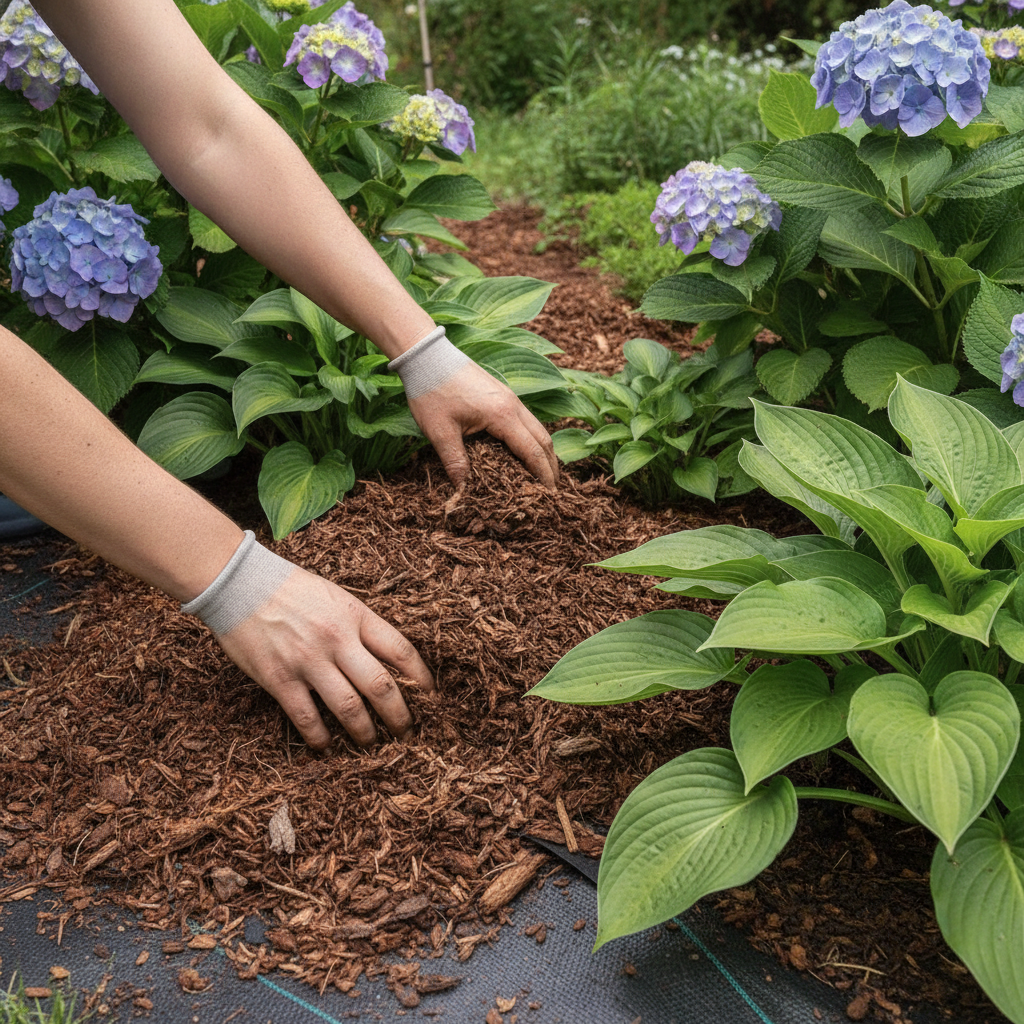
Overview: Your Mississauga Garden Bed Refresh
A Mississauga garden bed refresh restores tired beds fast by cleaning out debris, redefining crisp edges, enriching soil, and topping with 2–3 inches of fresh mulch. Expect tighter weed control, better moisture retention, and immediate curb appeal—often completed within a day for typical front yards.
Here’s what this complete guide covers and how to use it for an easy-care landscape you’ll love in 2026.
- What a garden bed refresh includes, and why it matters for Mississauga properties
- Step-by-step process we use onsite to deliver clean, long-lasting results
- Mulch, edging, and planting methods that simplify upkeep all year
- Best practices, tools, and pro tips, plus local considerations
- Mini case studies from our Mississauga design-build projects
If you want coordinated help, our team handles mulch refreshes, edging, pruning, and replanting as part of design-build projects and seasonal tune-ups.
What Is a Garden Bed Refresh?
A garden bed refresh is a focused maintenance sprint: remove weeds and debris, edge borders 3–4 inches deep, amend soil, prune, replant as needed, and install 2–3 inches of mulch. The result is a sharper, healthier bed with improved water retention and less time spent weeding.
In our experience across Mississauga neighborhoods, most beds benefit from a refresh every 12–18 months. Over that time, mulch breaks down by roughly 25–40%, edges round over, and opportunistic weeds appear. Reestablishing depth (2–3 inches) and a clean edge produces immediate visual order and reduces hand weeding.
- Typical scope: clearing, edging, soil touch-ups, selective pruning, plant top-ups, mulch installation
- Bed edge profile: 90-degree vertical face with a gentle interior bevel to hold mulch
- Soil focus: loosen top 2–4 inches, blend compost where planting is thin, improve infiltration
- Mulch depth: 2 inches minimum; 3 inches in hot, sunny exposures or on sandy soils
- Planting tune-ups: fill gaps with perennials or shrubs that match sun and drainage
On properties where beds intersect interlocking walkways or driveways, we align bed geometry with the hardscape. That keeps lines clean and movement natural. For projects with lawn touch-ups, we coordinate landscaping services in Mississauga so grass, stone, and planting read as one design.
Why a Refresh Matters in Mississauga
Refreshing beds in Mississauga boosts plant vigor, controls erosion, and tightens curb appeal between freeze-thaw cycles. Repaired edges and new mulch stabilize soil moisture, shield roots from heat, and reduce hand weeding—freeing up weekend hours while keeping spaces photo-ready.
Mississauga’s spring thaw and summer heat swing are tough on beds. Edges slump during shoulder seasons, then weeds surge as soils warm. A structured refresh smooths these cycles.
- Moisture stability: 2–3 inches of mulch slows evaporation and buffers roots during heat waves
- Weed suppression: reestablished depth and tighter bed edges cut germination in open soil
- Erosion control: edges and mulch intercept splash erosion from downspouts and walkways
- Plant health: pruning and right-sized spacing improve air flow and reduce disease pressure
- Curb appeal: darker mulch, crisp contours, and layered planting create visual order immediately
For beds along slopes, we often pair refresh work with low-profile stone borders or segment beds with short runs of retaining elements to hold grade. Where lawn meets bed, a refresh is frequently synchronized with seasonal maintenance planning so the look lasts beyond week one.
How a Professional Garden Bed Refresh Works (Step-by-Step)
A professional refresh follows a tight sequence: assess, clear, edge, amend soil, prune, replant, and mulch. Coordinating these steps in one visit yields sharper lines, healthier roots, and fewer weeds—all while keeping your walkway and lawn tidy.
Here’s the field-tested sequence our Mississauga crews use for typical front and side yards.
- Assessment and scope (10–20 minutes): confirm bed boundaries, sun/water patterns, plant issues, and traffic lines.
- Debris and weed removal (30–90 minutes): pull by root; rake out leaves; skim compacted crust; stage green waste.
- Define a crisp edge (30–60 minutes): cut a 3–4 inch vertical face with a spade or edging tool; bevel interior.
- Soil tune-up (20–40 minutes): loosen top 2–4 inches; blend compost in bare zones; rake level.
- Selective pruning (20–40 minutes): remove crossing, dead, or inward-facing branches; open the canopy.
- Plant top-ups (as needed): add perennials or shrubs; space per tag, often 12–24 inches on center.
- Mulch installation (30–90 minutes): install 2–3 inches; keep 2–3 inches clear around trunks and stems.
- Final sweep (10–20 minutes): blow or brush walkways; water-in new plantings; photo and walkthrough.
Time windows vary with bed size and existing conditions; corner lots and curb strips usually add staging time. Where beds meet pavers, we protect joints and keep sand from migrating by using tarps and controlled cleanup. For clients refreshing turf edges too, we coordinate with our design and build workflow so lawn, bed, and stone work finish together.
Refresh Step Primary Goal Typical Depth/Spec Edge Cut Contain mulch, define geometry 3–4 inch vertical face Soil Loosening Improve infiltration and rooting 2–4 inch top layer Mulch Install Moisture buffer and weed control 2–3 inch depth, tapered at edges Prune + Top-Up Air flow and plant density Space per tag; no mulch collarsPrefer to handle the refresh yourself but want a pro plan first? Use our Mississauga-focused seasonal maintenance planning guide to map work into spring and mid-summer windows.
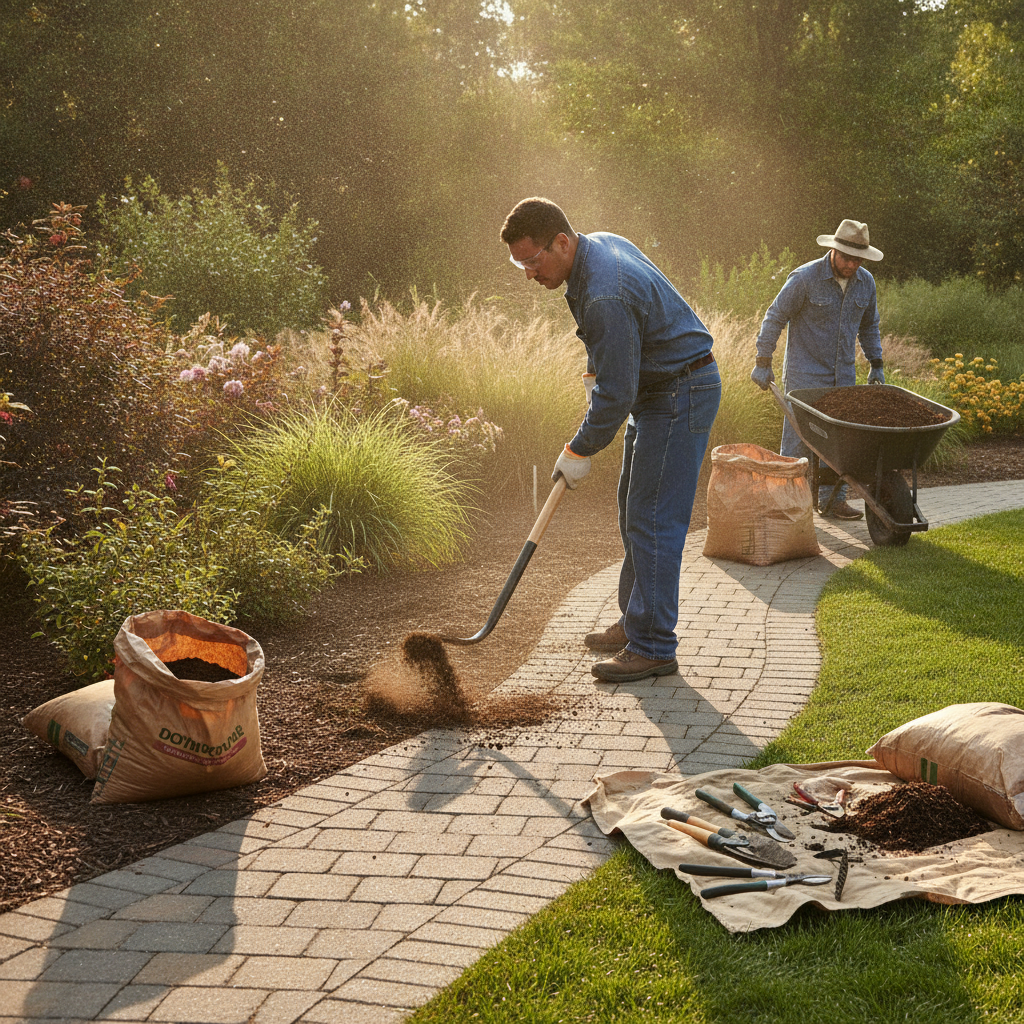
Types, Methods, and Approaches (Mulch, Edging, Weed Control)
Choose materials and methods that fit your site: shredded bark mulch for most beds, steel-spade edges for curves, and hand weeding plus a breathable fabric under stone where traffic is high. Match plant density to sun and soil so the bed stays full without constant trimming.
Mulch Options
- Shredded hardwood or cedar: reliable color, good knit, widely available; re-top every 12–18 months.
- Natural brown/black dyed mulch: stronger color pop; ensure mulch is wood-based, not dyed rubber.
- Compost/topdress blends: feed soil life; best under dense perennials; may require a thin bark cap.
- River rock or pea stone: durable where runoff or foot traffic is frequent; add breathable underlayment.
Edging Methods
- Natural spade edge: fast, clean, and flexible for curves; maintain seasonally with a quick recut.
- Paver border: aligns with walkways and patios; ties into interlocking pavers for a durable frame.
- Stone or armour stone: step edges on slopes; integrates with retaining features and steps.
Weed Control Approach
- Hand weeding before mulch: remove roots so the fresh layer actually works.
- Plant density: close spacing (as tag allows) shades soil and cuts germination.
- Fabric under stone only: use breathable fabric under rock or in high-traffic strips; avoid smothering beds.
If your beds border a driveway, consider a narrow paver soldier course during the refresh. It protects turf edges and makes snow clearing cleaner. Many clients pair bed work with driveway edge improvements for tidier curb strips.
Best Practices for a Low-Maintenance, High-Impact Refresh
Aim for crisp geometry, the right mulch depth, and thoughtful layering. Keep mulch off stems, prune for air flow, and select plants that match sun and soil. A refresh is the best time to adjust bed shapes for movement, water, and long-term care.
Design and Planting
- Layering: backdrop shrubs (3–5 feet), mid perennials (18–30 inches), and a front border (8–15 inches).
- Movement: tie bed curves to walkway radii; align with views from entries and windows.
- Spacing: most perennials do best 12–18 inches on center; shrubs per tag, often 24–60 inches.
Soil and Water
- Loosen top layer: 2–4 inches is enough to improve infiltration and rooting without disturbing subgrades.
- Mulch collars: keep 2–3 inches clear around trunks and stems to prevent rot and pests.
- Downspout strategy: add river rock splash pads or carve micro-swales to route water into beds.
Local considerations for Mississauga
- Use shoulder-season windows. In Mississauga, spring and late summer are ideal for refreshes; heat breaks help mulch settle and plants root.
- Near Saigon Park, soils can vary from compacted to loamy along new builds; loosen the top layer and test drainage before planting.
- Around Lambton College area rentals, choose tough perennials (sedum, daylily, spirea) that handle foot traffic and irregular watering.
For beds flanking fences, a refresh is the right moment to evaluate privacy screens and trellis zones. We often add a rhythmic shrub line that matures to fence height and cuts wind while anchoring the bed visually.
Tools, Materials, and Helpful Resources
You’ll need a steel spade or edger, hand pruners, rake, wheelbarrow, and quality mulch. Add compost for thin spots, breathable fabric under rock, and a hose for watering-in. For larger beds, coordinated crews finish in hours instead of weekends.
- Core tools: steel spade/edger, loop hoe, hand pruners, rake, tarp, wheelbarrow, blower/brush.
- Materials: shredded mulch (2–3 inches depth), compost, river rock (if used), breathable fabric for rock only.
- Plant tune-up kit: perennials/shrubs that match sun and soil; slow-release starter; soaker hose for new installs.
If you’d like a service overview, see our landscaping services in Mississauga page, then explore this GTA-wide landscaping GTA guide for regional planning context. For mulch specifics and timing, skim our simple mulch refresh schedule.
When refresh work intersects new lawn edges or patchy turf, we coordinate with sod prep and finishing—review our Mississauga-focused service overview to plan sequencing around your watering schedule.
Mini Case Studies: Real Mississauga Refreshes
The fastest wins come from crisp edges, right-depth mulch, and smarter plant spacing. These three Mississauga refreshes show how a one-day tune-up reclaims order, reduces weeding time, and ties planting to walkways and entries for a clean, durable look.
Front Entry Tune-Up Near Square One Corridor
- Scope: two 25-foot beds beside an interlocking walkway; weeds and slumped edges.
- Action: recut 3–4 inch edge; remove two overgrown shrubs; add three spirea and five daylilies; 2.5 inches of brown mulch.
- Result: cleaner movement line from driveway to door; weekly weeding dropped to brief spot checks.
Corner Lot Refresh by Saigon Park
- Scope: windswept corner with splash erosion; plant density too low.
- Action: added river rock splash pads at downspouts; tightened spacing with nine hardy perennials; installed 3 inches mulch.
- Result: mulch stayed put after storms; plants filled gaps within one season; beds read as one cohesive band.
Rental-Friendly Bed Near Lambton College
- Scope: thin soil and high foot traffic along a side entry.
- Action: carved a straight spade edge for clarity; used compact spirea and sedum 16 inches on center; topped with cedar mulch.
- Result: fewer trample zones; easier mowing line; consistent look despite variable watering.
Each of these projects tied the bed geometry to nearby hardscapes. Where needed, we added a single soldier course of pavers to shield turf edges. For more inspiration, browse our front yard transformation ideas and see how a refresh fits into a bigger plan.
Common Refresh Mistakes (and Easy Fixes)
Avoid shallow mulch, buried stems, and wavy, low edges. Don’t skip pre-weeding or soil loosening. Keep fabric out of planting beds (use it only under stone) and align bed curves to nearby walkways so mowing stays effortless.
- Mulch volcanoes: keep 2–3 inches of clearance around stems and trunks.
- Thin coverage: less than 2 inches won’t suppress weeds or hold moisture well.
- Edge too shallow: under 3 inches won’t contain mulch on slopes or wind corners.
- Fabric everywhere: breathable fabric belongs under stone, not through perennial beds.
- No spacing plan: overcrowded plants need constant cutting; too sparse invites weeds.
When beds abut driveways or curb strips, consider pairing the refresh with a small hardscape tune-up so snow clearing and leaf cleanup stay simple. Our crews often integrate this during design and build work to keep lines consistent.
A Simple Maintenance Schedule After Your Refresh
Right after your refresh, water-in new plants and spot-check edges. Over the next 12 months, hand-weed briefly after rains, trim once per season, and top up mulch if it settles below 2 inches. A 10–15 minute monthly check keeps beds in show shape.
- Week 1: water-in new plants; brush stray mulch off leaves; confirm mulch depth is uniform.
- Month 1–3: 10-minute weeding after rain; trim flush with pruners where needed.
- Seasonal: spring shaping for summer bloomers; late-summer deadheading; winter cutback on perennials as appropriate.
- Annual: re-top to maintain 2–3 inches; quick recut of edges where traffic is heavy.
Planning bigger changes alongside your refresh? Our team can fold bed work into walkway updates, fence backdrops, or small grade holds. Explore our landscaping services in Mississauga and match tasks to your property’s priorities.
Need a one-day garden bed refresh? Book a Mississauga assessment, and we’ll map out edges, mulch depth, pruning, and plant top-ups so your beds look intentional again.
We coordinate with lawn, paver, and fence teams to finish fast and clean.
Frequently Asked Questions: Mississauga Garden Bed Refresh
Refreshes solve three problems at once: weeds, water loss, and messy edges. Below are quick answers to the questions we hear most from Mississauga homeowners planning an easy-care bed tune-up.
How often should I refresh mulch in Mississauga?
Plan on a re-top every 12–18 months. Sun, foot traffic, and fall cleanup accelerate breakdown. Maintain 2–3 inches of depth for reliable weed suppression and moisture control.
What’s the best mulch depth for weed control?
Install 2–3 inches across the bed, tapering to 1–2 inches near edges. Keep mulch 2–3 inches away from plant stems and tree trunks to prevent rot and pests.
Should I use landscape fabric under mulch?
Use breathable fabric only under stone or in high-traffic strips. Avoid fabric through planting beds; it restricts soil exchange and makes replanting harder.
Can a refresh fix erosion near downspouts?
Yes. Add river rock splash pads, redirect flow with a subtle swale, and reestablish a 3–4 inch edge. Top with 2–3 inches of mulch to cushion splash and retain moisture.
Conclusion and Next Steps
A Mississauga garden bed refresh creates crisp lines, healthier plants, and less weekly upkeep. Start with clean edges, 2–3 inches of mulch, and smarter spacing. Align beds with walkways and views—then keep them sharp with quick monthly checkups.
- Key takeaways: edge 3–4 inches, mulch 2–3 inches, prune for air flow, and match plants to sun/soil.
- Action step: pick a spring or late-summer window; stage tools and materials for a one-day push.
- Next-level: fold in paver borders, fence backdrops, or sod touch-ups for a cohesive look.
Ready for a fast, coordinated upgrade? Book a garden bed assessment in Mississauga, and we’ll design a right-sized plan that stays easy to care for.


