
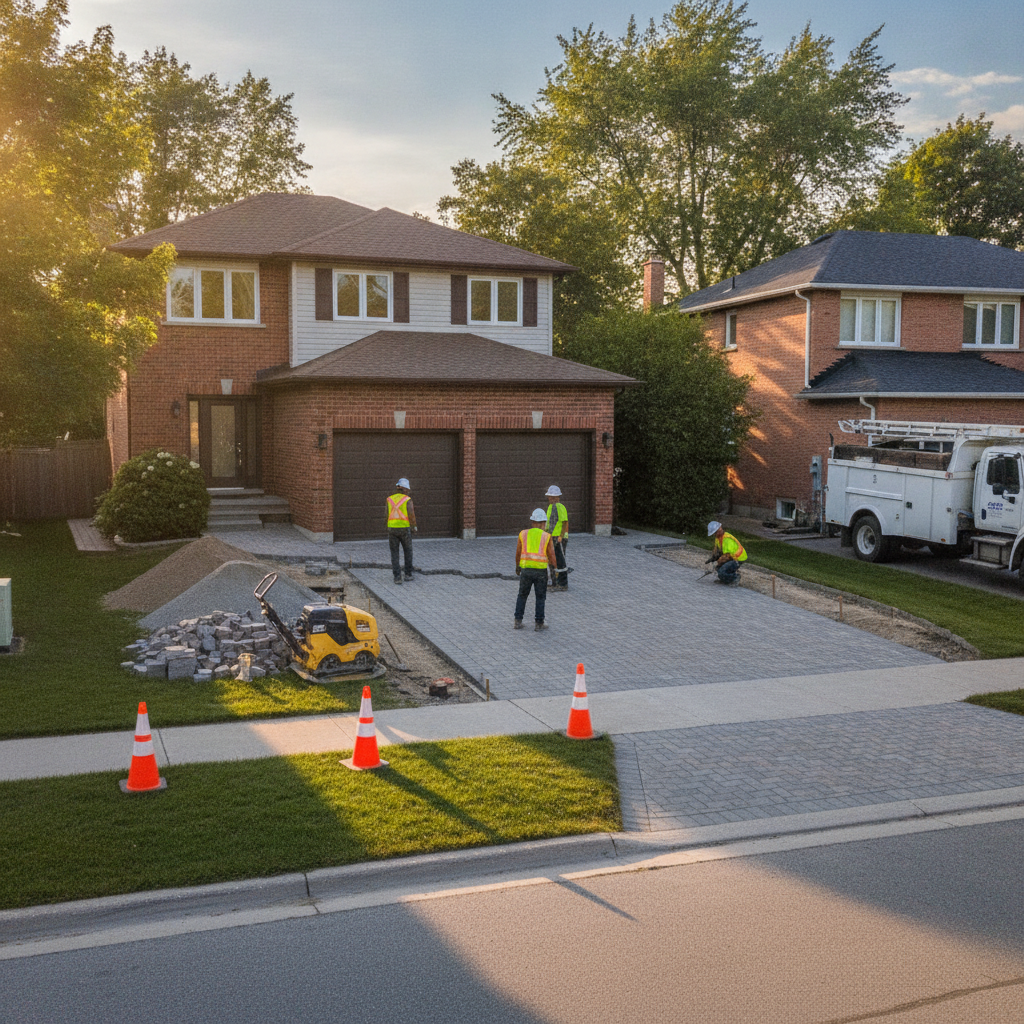
Yes. For most residential projects in Mississauga L4Z 3P8, you do not need a building permit to install interlocking pavers on private property. You will need approvals if you widen a driveway, alter the curb, or work on the city boulevard. HR Greenroots Landscaping at 100 Matheson Blvd E unit 202 can guide you and complete compliant installs.
By HR Greenroots Landscaping • Last updated: 2026-06-14
Hero Section: Interlocking Pavers, Done Right and Compliant
Interlocking pavers boost curb appeal and durability when installed over a strong, compacted base with correct drainage. Compliance matters: driveway widening, curb cuts, and boulevard work require municipal approvals. We handle design, base prep, and permits so your project looks great and passes inspections the first time.
Homeowners call us for patios, walkways, pool surrounds, and driveway extensions that last through Ontario freeze–thaw cycles. Our integrated design–build approach means one accountable team—from concept to final compaction and seasonal maintenance planning.
Quick Summary
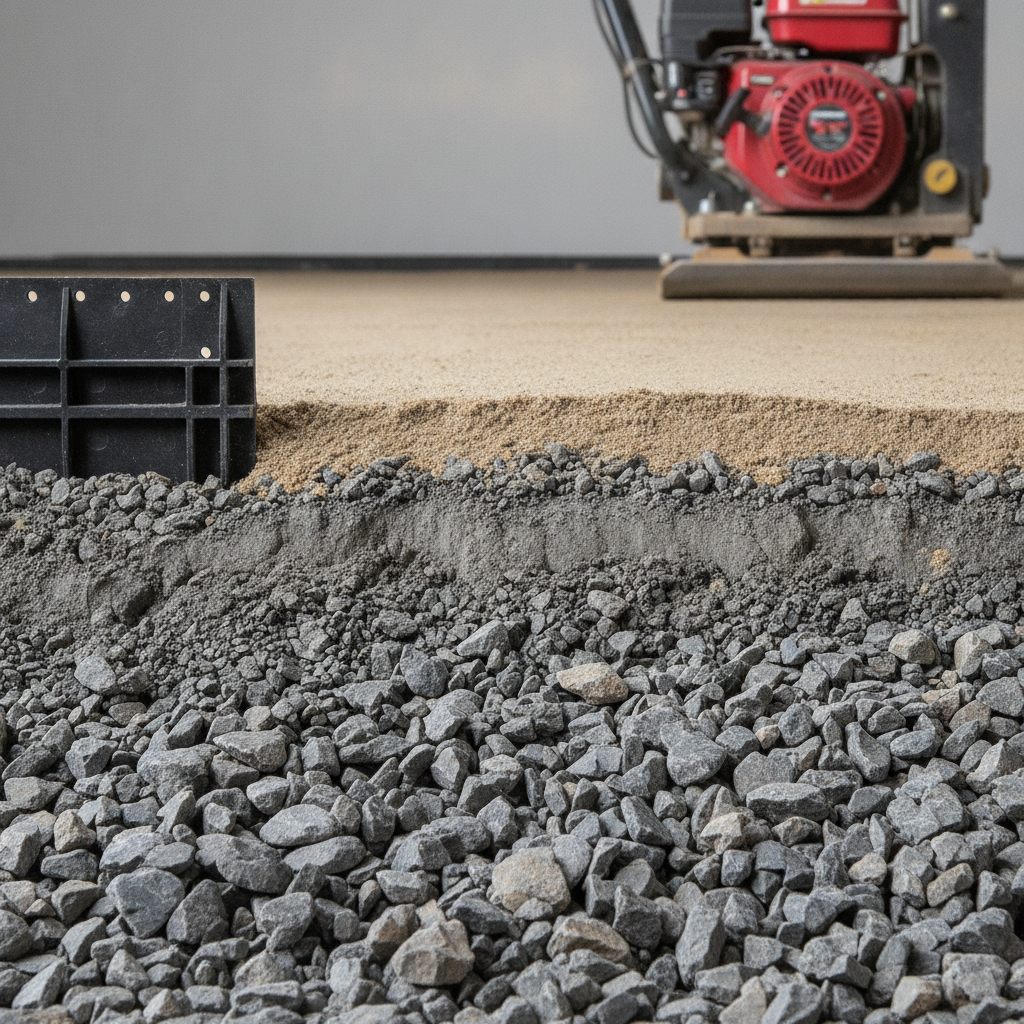
Most Mississauga interlocking on private property needs no building permit, but driveway widening, curb cuts, or boulevard work require city approvals. Plan a 6–8 inch compacted base, 2% surface slope, utility locates before digging, and professional edge control. Our team designs, builds, and navigates approvals.
- Permit trigger: Changing driveway width, curb/sidewalk, or city boulevard space.
- No building permit: Patios, walkways, pool decks fully on private property and within zoning limits.
- Must-do: Utility locates before excavation; channel water away from structures; retain soil where needed.
- Our role: We design, build, and handle right-of-way approvals tied to driveway extensions.
Do You Need a Permit for Interlocking Pavers in Mississauga?
You don’t need a building permit for interlocking pavers on private property, but you do need city approvals if you widen a driveway, adjust the curb, or work in the boulevard. Zoning, right‑of‑way, and encroachment rules apply to anything beyond your lot.
Here’s the practical breakdown our clients ask for near L4Z 3P8:
- Patios and walkways (on private property): Typically no building permit. We still validate setbacks, drainage, and grading.
- Driveway resurfacing (same footprint): No building permit. Maintain legal width and comply with lot coverage.
- Driveway widening/extension: Needs municipal approval; curb and boulevard areas are regulated.
- Curb cuts and sidewalk changes: City authorization required; it’s public right‑of‑way.
- Retaining walls near property lines: Engineering may be required as heights increase; we verify during design.
In our experience across the GTA, projects stall when homeowners start widening without approvals. We prevent that with a pre-design zoning scan and right‑of‑way check before we finalize layouts.
Where Approvals and Permits Typically Apply
Approvals apply when your interlock affects public land or regulated features: driveway width, curb/sidewalk, city boulevard, or drainage onto the road. On-lot patios and walkways usually proceed without a building permit if they respect zoning and grading.
High‑probability approval scenarios
- Driveway widening: When increasing width, you must meet municipal maximums and sightline standards. We align design with allowed dimensions.
- Boulevard or sidewalk work: Any tie‑in beyond the lot line (public right‑of‑way) requires city permission.
- Curb cut/approach: Changing the curb requires authorization and city‑approved contractors.
- Catch basins and drainage: Discharging water to the road or storm features carries rules; we design 2% slopes to keep water on your property, away from foundations.
Low‑probability approval scenarios
- Garden paths and patios: No building permit if on private land and within coverage limits.
- Pool surrounds: Usually proceed as hardscape; separate pool permits are outside this scope.
- Edging refreshes: Replacements in kind typically don’t trigger permits.
We connect these rules to real designs—driveway extensions, walkway alignments, and retaining solutions that respect city right‑of‑way while maximizing usable space.
Our Services Aligned to Local Rules
We plan and build interlocking systems to Mississauga standards: base prep, grading, edge restraints, and compliant layouts. For driveway extensions, we prepare drawings, coordinate approvals, and install to spec—one accountable team from survey to final compaction.
- Interlocking & Pavers for patios, walkways, and pool surrounds, built on compacted bases with polymeric sand joints.
- Driveway Extensions designed within allowable widths; we flag where right‑of‑way permissions are needed and manage them.
- Landscape Design that sequences grading, drainage, and planting with cohesive, code‑aware plans.
- Retaining Walls and Armour Stone where grade changes or soil retention are required along edges.
- Sod Installation to finish front yards after hardscape work—tight edges and seasonal timing that takes.
- Seasonal Maintenance with edge control and joint stabilization for long‑term performance.
Because we design, build, and plan maintenance in-house, your project is cohesive—from curb to stoop.
Our Process for Permit-Smart Interlocking
We verify zoning and right‑of‑way limits up front, then design bases, slopes, and edges to spec. Utility locates precede excavation. We build with 6–8 inches of compacted aggregate, a 1-inch bedding layer, and restrained edges, then compact and sweep joints for a tight, durable finish.
- Discovery and site scan: Measure current widths, setbacks, slopes, and any right‑of‑way interfaces.
- Concept and alignment: Fit paver modules to target dimensions; confirm any driveway widening approvals needed.
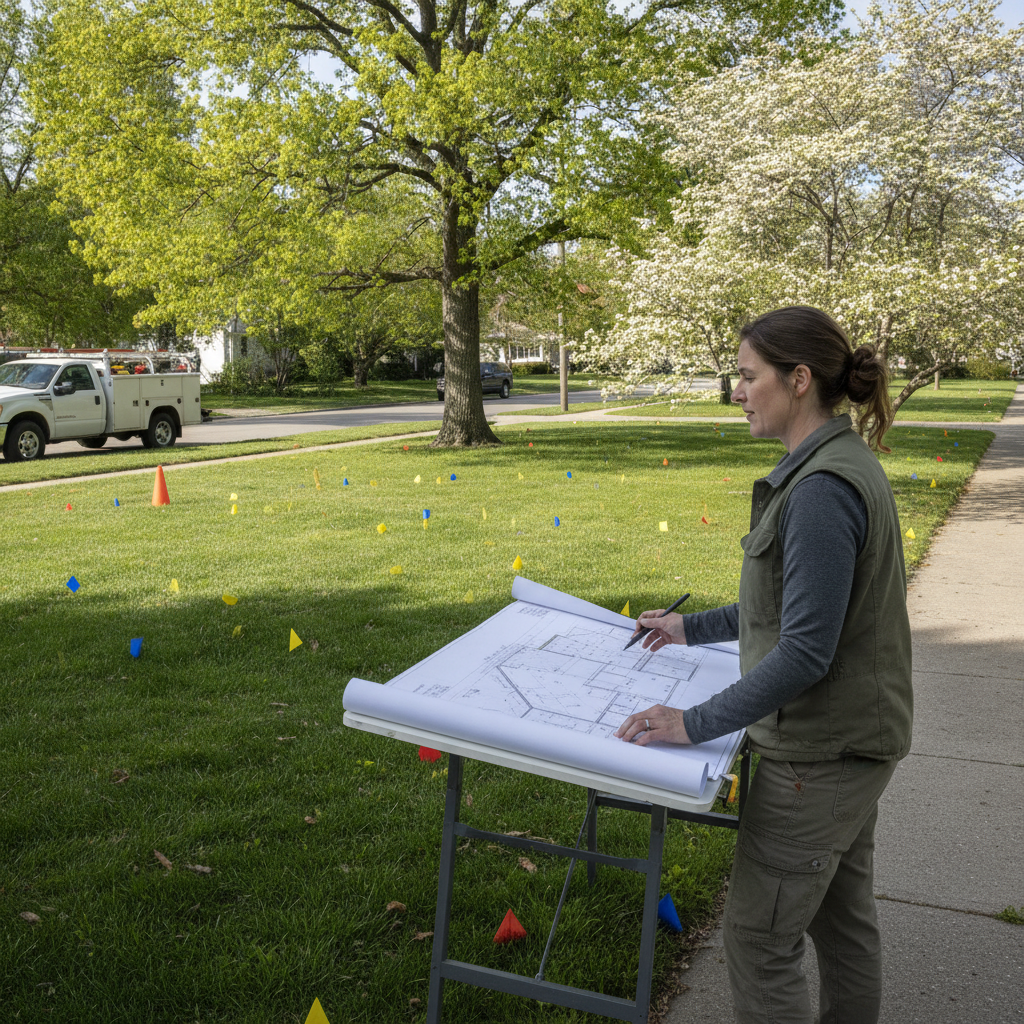
- Utility locates: Call before we dig; flags mark services so trenching stays safe.
- Excavation and base: Remove organics; install 6–8 inches of compacted granular base (in lifts) for freeze‑thaw stability.
- Drainage and edge: Pitch surfaces at ~2% away from structures; install rigid edge restraints.
- Laying pattern: Place pavers on a 1‑inch screeded bedding layer; cut cleanly at edges.
- Compaction and joints: Compact surface; sweep in polymeric sand; activate as specified.
- Punch list and handoff: Final inspection and care plan for first season settling and joint top‑ups.
Soft CTA: Want a permit‑smart layout? Book a quick on‑site consult—we’ll verify widths, slopes, and any approvals before you lift a shovel.
Common Mistakes That Trigger Delays
Projects get delayed when homeowners widen driveways without approvals, skip utility locates, or ignore drainage. Fixing after the fact is slower than planning ahead. We de‑risk installs with a pre‑design compliance scan and documented build standards.
- Widening first, asking later: Right‑of‑way rules are enforced. Start with design and approval checks.
- No utility locates: Buried lines can be shallow; locates prevent service damage and outages.
- Thin bases: Less than 6 inches of compacted aggregate invites settlement in freeze–thaw cycles.
- No edge restraints: Pavers creep without mechanical restraints at borders and curves.
- Flat surfaces: Without ~2% slope, water ponds and joints fail faster.
Takeaway: prevention beats repair. Our crews build to consistent thicknesses, slopes, and compaction targets that hold up long term.
Planning, Scheduling, and Approvals
We sequence approvals and construction to keep your project moving: confirm scope, request any right‑of‑way permissions, schedule locates, and then build. Clear phasing cuts idle time and avoids rework.
- Scoping visit: We map the existing driveway, boulevard edge, and any curb tie‑ins; we flag whether approvals are needed.
- Design package: Plan view with widths, slopes, edge restraints, and retaining interfaces—ready for approvals when required.
- Pre‑dig checklist: Utility locates, neighbors notified if access is shared, and material deliveries staged.
- Execution window: We target dry weather for compaction stability; spring through fall provides best curing conditions.
- Handoff: Settlement checks and joint top‑ups are planned for the first season.
For additional regional insights on interlocking in Ontario, see this industry perspective on paver driveways pros and cons and these notes on what to know in Ontario. Broader planning tips are explored in this step‑by‑step patio guide.
Why Choose HR Greenroots Landscaping
We integrate design, build, and maintenance—so your interlocking project meets Mississauga’s rules and performs for years. Strong base prep, clean edge control, and Ontario‑specific planting and grading keep spaces beautiful and practical beyond day one.
- End‑to‑end delivery: One team from concept to handoff, minimizing gaps and rework.
- Base and grading strength: We prioritize compaction, edge restraints, and 2% slopes for durability.
- Maintenance‑minded: Joints, drainage, and access are planned for easy care.
- Ontario‑tuned planting: Landscape layers and edging that complement hardscape geometry.
- Proven reliability: Verified high ratings and consistent, on‑schedule execution.
Explore our landscaping services in Mississauga and our property manager solutions to see how we coordinate complex sites.
Service Area: Mississauga L4Z and the Regional Municipality of Peel
We serve Mississauga—especially the L4Z corridor—and the wider Regional Municipality of Peel. From compact front yards to large corner lots, we plan interlocking layouts that respect driveways, boulevards, and drainage while maximizing usable space.
Our home base near 100 Matheson Blvd E keeps us close to central Mississauga neighborhoods. We regularly coordinate driveway extensions, walkway upgrades, and curb‑side tie‑ins across the GTA.
Local considerations for Mississauga
- Near EPIC College of Technology, lot lines and sidewalks can sit tight; we confirm right‑of‑way limits before any driveway widening.
- Spring thaw to fall is prime build season; compaction and polymeric joints cure best in dry weather windows.
- Storm events can be intense; we design 2% surface pitch with overflow paths toward lawn or garden beds, not the street.
What Clients Say
Clients highlight our organized planning, clean edges, and on‑time delivery. They value one accountable team that can navigate approvals when driveways meet the boulevard.
- “The team widened our driveway and tied into the sidewalk cleanly—no surprises, and everything passed review.”
- “Our patio and front walk look intentional, and drainage was spot‑on during the first big storm.”
- “Strong base prep—you can feel the difference when you walk the surface.”
Frequently Asked Questions
Here are direct answers to the most common permit and installation questions we get about interlocking pavers in Mississauga L4Z 3P8.
Do I need a permit for interlocking pavers in Mississauga L4Z 3P8?
Not for patios, walkways, or resurfacing inside your lot. You do need municipal approvals if you widen a driveway, change the curb, or work in the city boulevard. We verify these items during design.
How deep should the base be for driveway pavers?
Plan for 6–8 inches of compacted aggregate base in lifts, topped with a 1‑inch bedding layer. Driveways carry vehicle loads, so consistent compaction, edge restraints, and a ~2% surface slope are key for longevity.
When should I schedule utility locates?
Before any digging. Utility locate tickets must be in place and flags visible before excavation starts. We schedule locates during pre‑construction so the crew mobilizes safely.
What slope do you recommend for drainage on patios and walks?
We target about 2% (roughly 1/4 inch per foot) away from structures toward lawn or beds. That keeps water off foundations, reduces ponding, and protects joint integrity.
Ready to Design It Right?
Get a compliant, durable interlocking plan for Mississauga L4Z 3P8. We’ll validate widths, right‑of‑way limits, slopes, and base depths—then build it to last.
- Book an on‑site assessment from our Mississauga hub near Matheson Blvd E.
- We’ll map approvals, organize locates, and deliver a clean, durable finish.
- Explore our design‑build approach to see how we keep projects moving.
Key takeaways
- Private‑lot interlocking usually proceeds without a building permit.
- Driveway widening, curb changes, and boulevard ties need approvals.
- Build to spec: 6–8 inch base, 1‑inch bedding, ~2% slope, restrained edges.
- Plan utility locates and weather windows for stable compaction and joints.


