
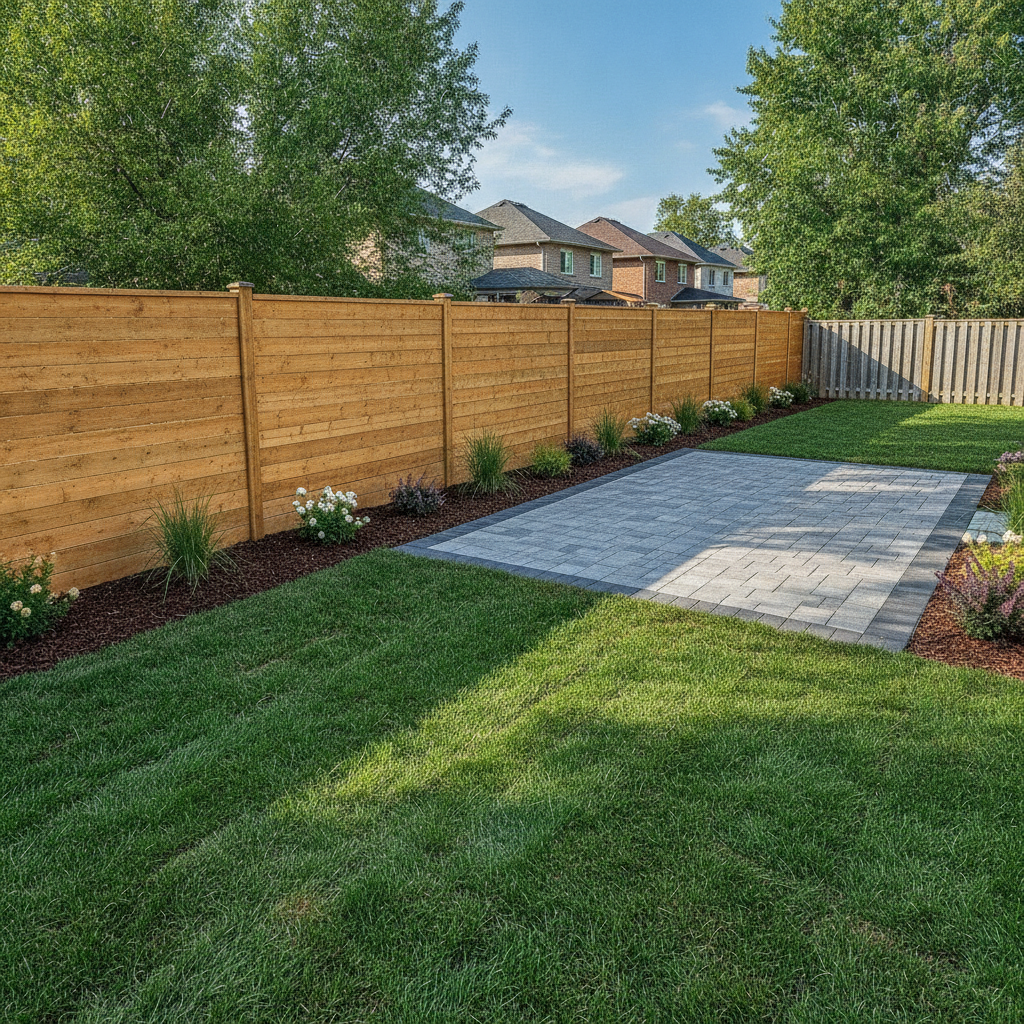
Mississauga fence installation cost is shaped by material, fence height and length, number of gates, site grading, and prep steps like utility locates. At HR Greenroots Landscaping (100 Matheson Blvd E, unit 202), we build quotes that reflect these variables and your goals—privacy, security, or style—so you understand exactly what drives your investment.
By HR Greenroots Landscaping • Last updated: 2026-06-08
Quick Overview: Mississauga fence installation cost drivers
Fence quotes hinge on five levers: material choice, height/length, gate count, ground conditions, and finish details. In Mississauga, add timing for utility locates and frost-depth post setting. Aligning design with these inputs keeps your project on schedule and ensures your fence performs through freeze–thaw cycles.
Here’s what you’ll learn in this guide and how to use it quickly.
- What shapes quotes: materials, heights (often 4–6 feet), post spacing (commonly 6–8 feet), gates, and slopes.
- Local realities: frost depth over 3 feet means deeper posts; utility locates can take several business days.
- Build method: clean base prep, gravel + concrete post setting, and true lines improve lifespan by years.
- Design ties: connect fencing to landscape design plans so circulation and privacy work together.
- Avoid pitfalls: see our Mississauga fence mistakes to sidestep rework.
What is a Mississauga fence installation quote?
A fence installation quote is a scope-based estimate that itemizes materials, posts and footings, linear footage, gates, prep work, and finish details. It reflects local build standards, site conditions, and your priorities, producing a reliable plan that accounts for utilities and Ontario’s frost line.
We scope your project on-site in Mississauga and across the GTA, then translate field notes into a build-ready plan. Accurate quotes usually include:
- Linear footage and height: measured to the inch for clean takeoffs.
- Post layout: spacing typically 6–8 ft; corner and gate posts reinforced.
- Footing method: gravel for drainage plus concrete for hold; depth to frost line.
- Gate specs: common widths 36 in. for walkways; 48 in.+ for equipment.
- Material profile: wood, vinyl, aluminum, composite, or chain-link.
- Finish: stain/paint timing, cap/trim options, hardware quality.
- Site prep: utility locates, shrub trimming, minor grading, debris haul-out.
When these elements are defined up front, we reduce change orders and keep crews moving. We treat quotes as build documents—clear enough that a foreman can set string lines and start posting.
Why understanding fence installation costs matters
Clarity on cost drivers lets you prioritize smartly—often trimming scope without sacrificing privacy or strength. When you understand materials, post methods, and site prep, you can direct dollars to what lasts: proper depths, straight lines, and weather‑ready finishes.
Homeowners typically weigh privacy needs, maintenance time, and long-term resilience. A few realities help decision-making:
- Durability compounds: correct footings and drainage add seasons of service; shallow posts loosen after repeated freeze–thaw cycles.
- Maintenance rhythm: wood stains every 2–3 years; vinyl/aluminum need rinse-only upkeep; composites resist moisture movement.
- Design integration: tie fence lines to patios and walkways so movement is natural; awkward gates create daily friction.
- Schedule logic: utility locates can add 5–10 business days; planning around that prevents idle time.
In our experience across Mississauga neighborhoods, the best investment is invisible: precise post alignment and well-compacted bases. That’s what keeps boards tight and gates square after storms.
How fence installation quotes are built (our process)
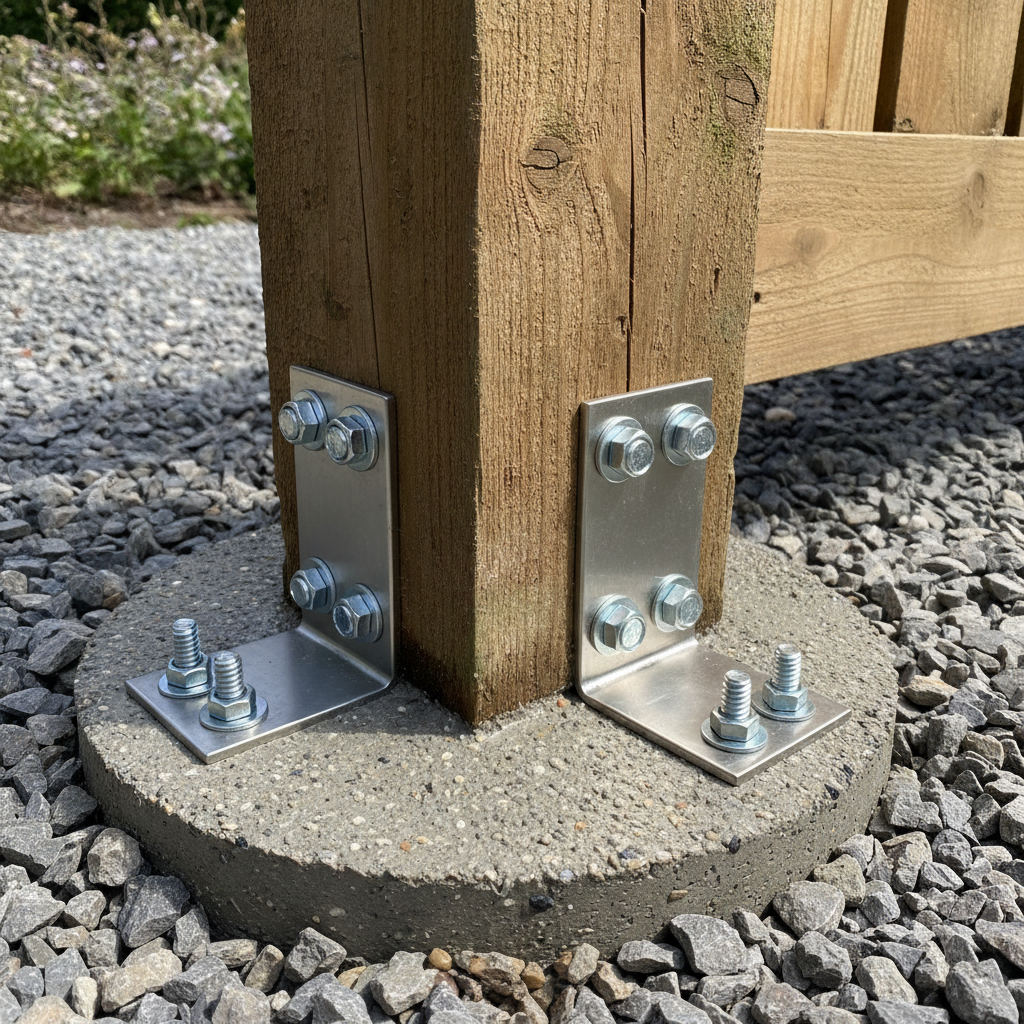
We build quotes from a site-first assessment: measure lines, verify utilities, review slopes, pick materials, and lock gate locations. Then we outline post spacing, footing depth, and finishing steps in a schedule that sequences locates, setting, framing, and cleanup.
Step-by-step scoping
- Measure and mark: laser or tape confirm lengths; posts planned at 6–8 ft centers; corners squared.
- Utility locates: we initiate locates before any dig; flags and paint guide safe augering.
- Soils and slopes: clay vs. sandy loam affects drainage; steeper sections may need short retaining elements.
- Material selection: match privacy targets and upkeep capacity; pick hardware and gate operators early.
- Footing depth: we plan to Ontario frost conditions; deeper settings help prevent heave.
- Schedule: crew availability, curing windows, and finish coatings aligned to weather.
What we include in every professional quote
- Line diagram with gate swings, corner posts, and transitions to patios or walkways.
- Post/rail/board spec including thickness, species or profile, and fasteners.
- Method statement for excavation, base, concrete mix, and set/brace timing (often 24–48 hours cure before paneling).
- Cleanup and disposal plan: spoil placement, haul-out, and site restoration.
Want a deeper materials breakdown? Explore our fence materials guide for profiles and maintenance notes.
Fence types, materials, and installation methods
Material drives maintenance, privacy, and lifespan. Wood offers warmth and repairability, vinyl provides low upkeep, aluminum excels at visibility and strength, composites balance stability and style, and chain-link secures at scale. The right footing method—gravel plus concrete—keeps any option standing straight.
Common fence materials (strengths and tradeoffs)
- Wood (cedar, pressure-treated)
- Privacy panels and board-on-board styles reduce gaps; caps and trims add rigidity.
- Stain or seal every 2–3 years; plan ventilation gaps to reduce cupping.
- Repairable by board or section; ideal for 6 ft privacy runs and custom accents.
- Vinyl (PVC)
- Color-stable, rinse-clean maintenance; internal aluminum inserts stiffen rails.
- Consistent factory profiles improve wind performance; good for uniform neighborhoods.
- Privacy and semi-private styles; gates stay true with reinforced uprights.
- Aluminum (ornamental)
- Powder-coated finishes can last 10+ years; minimal upkeep beyond rinsing.
- Great by pools or along greenspaces where visibility matters; strong with minimal weight.
- Pairs well with stone pillars or armour stone steps for upscale borders.
- Composite
- Resists moisture cycling; stable in freeze–thaw; limited color fade.
- Heavier components need accurate post alignment; great for modern lines.
- Often features hidden fasteners for a clean face and reduced rattle.
- Chain-link
- Efficient coverage for long runs; common mesh around 2 in. diamond.
- Privacy slats can be added later; galvanized or black vinyl-coated options.
- Reliable along property edges and for dog runs where airflow helps.
Installation methods that extend lifespan
- Post depth: set below frost influence; deeper settings reduce seasonal movement.
- Gravel sleeve + concrete: gravel drains; concrete locks the post—this combo curbs rot and heave.
- Brace and cure: bracing during cure (often 24–48 hours) holds alignment for straight panels.
- String lines and laser guides: maintain plumb/level across 50–100 ft runs to prevent stair-stepping.
- Gate reinforcement: adjustable hinges and diagonal bracing fight sag at 36–48 in. widths.
Material comparison at a glance
Material Privacy Maintenance Typical Lifespan Relative Investment Wood High (board-on-board) Stain 2–3 yrs Long with care Moderate Vinyl High to Medium Rinse-only Long Moderate–Higher Aluminum Low Minimal Long Moderate Composite High Low Long Higher Chain-link Low (add slats) Low Long Lower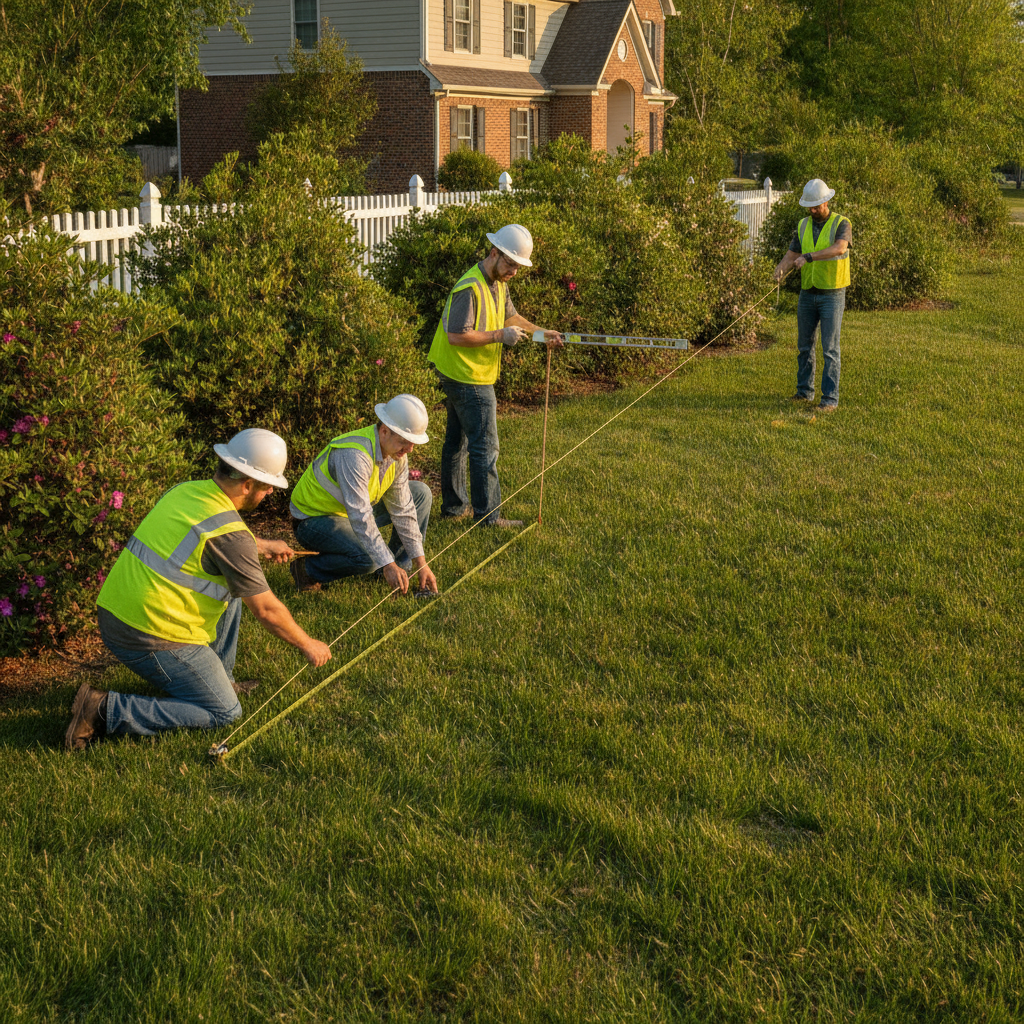
Local standards, planning, and scheduling
In Mississauga and the Regional Municipality of Peel, plan for utility locates, frost-depth footings, and neighbor-friendly layouts. Sequencing locates, posting, curing, and panel installation prevents rework and keeps your fence straight through thaw cycles.
Grounding your project locally can prevent delays and callbacks.
- Utility locates timeline: allow several business days; crews place flags and paint before augers spin.
- Seasonal windows: spring/fall offer moderate cure temps; summer installs need controlled water for mixes.
- Soil realities: clay pockets hold water; gravel sleeves around posts promote drainage and reduce frost jacking.
- Post spacing discipline: hold 6–8 ft centers; tightening on windy exposures reduces racking.
- Gate placement: align with walkways and patios to avoid daily detours; 36 in. clear width feels natural.
Local considerations for Mississauga
- Plan fence lines near community spaces like Saigon Park with privacy panels that soften sound while preserving sightlines at corners.
- Busy student areas by Lambton College benefit from durable hardware and self-closing gates to handle frequent use.
- Winter prep matters: snow loads and freeze–thaw cycles can stress rails; deeper posts and proper drainage help fences ride out storms.
Best practices to keep projects on track
The best fences start with disciplined prep: straight lines, true posts, and correct depths. Lock materials early, site-protect plantings, and stage hardware. Small choices—like gate swing direction—improve daily use and reduce wear.
- Confirm the layout twice: walk the line with string and stakes; check gate swings against patios and walks.
- Stage materials: keep posts/rails off damp soil; inventory fasteners and hinges ahead of day one.
- Protect edges: plywood under wheelbarrows prevents rutting; tarps simplify cleanup.
- Plumb every third post: frequent checks keep long runs straight; lasers help over 50–100 ft lines.
- Finish right: back-brush stains; seal end grains; adjust hinges after first week as wood acclimates.
For privacy strategies beyond fencing, compare options in our privacy fence options breakdown.
Tools, standards, and on-site resources
Accurate quotes rely on simple, proven tools: string lines, levels, post-hole diggers or augers, and cure-time discipline. Pair those with local standards for post depth and clearances, and you’ll get a fence that stays square and quiet under wind.
- Layout and measurement: string lines, laser levels, 100 ft tapes, marking paint, and stakes.
- Excavation: gas augers for efficiency; manual diggers for tight spots; spoil management planned.
- Footings: drainage gravel (bottom), concrete (top), and temporary bracing as panels wait.
- Hardware: exterior-rated screws, adjustable hinges, latches with child-safety options near pools.
- Safety: PPE, call-before-you-dig protocols, and clear walk paths.
Need a refresher on lawn restoration after posting? See our internal guide to Mississauga sod replacement considerations.
Pricing without numbers: how we scope and quote
Instead of generic price ranges, we map the parts that shape value: footage, post count, gates, material profile, and site prep. Then we show tradeoffs—where to save without sacrificing structure—and a clear schedule so you know when each milestone happens.
- Scope clarity: linear feet and gate counts decide material and labor scale.
- Material profile: choose maintenance rhythms you’ll actually follow; wood needs periodic stain, vinyl needs rinsing.
- Footing integrity: depth and drainage deliver quiet, straight lines years later—an ideal place to focus value.
- Finish details: caps, trims, lattice, and premium hardware improve performance and look without changing footprint.
- Schedule: locates, posting, cure, panel, and finish—each stage planned against weather windows.
When you’re ready, review our fence installation service overview to align scope with goals.
Case studies: Mississauga fencing scenarios
Real projects show how scope choices play out. Here are three Mississauga scenarios—each balancing privacy, movement, and upkeep—so you can visualize tradeoffs and plan confidently before requesting a tailored quote.
Backyard privacy with patio integration
- Context: A Crescent Hill home added a 6 ft wood privacy run behind a new patio.
- Moves: posts set below frost influence; board-on-board panels to reduce gaps; 36 in. gate aligned to walkway.
- Ties: fencing coordinates with landscape design and sod refresh for an immediate, finished feel.
Sloped side yard with soil holding
- Context: A side yard with 18–24 in. grade change created gaps under panels.
- Moves: stepped panels on string lines; short retaining element to level the toe; gate raised to clear drainage.
- Ties: integrated with retaining solutions and stone steps for sure footing.
Poolside visibility with aluminum
- Context: Safety-first layout with clear sightlines from the house to the pool.
- Moves: powder-coated aluminum pickets; self-closing hinges; latch heights aligned to safety expectations.
- Ties: ornamental runs bridge to deck platforms and new sod for a cohesive backyard.
Mississauga fence installation cost: Frequently Asked Questions
These quick answers address timeline, materials, prep, and maintenance so you can plan confidently before requesting a tailored quote for your Mississauga property.
How long does a typical fence installation take?
Most residential projects finish in several working days once utility locates clear. Posting and concrete curing often take 1–2 days, with panel installation and gates following. Weather and yard access can add time, but clear staging keeps crews moving.
Do I need a permit for a backyard fence in Mississauga?
Most backyard privacy fences don’t require a formal building permit when built to common heights and outside special zones, but property-specific rules can apply. We help you review applicable guidelines and coordinate any neighbor agreements as needed.
Which material offers the best privacy with low upkeep?
Vinyl and composite privacy panels deliver consistent coverage with minimal maintenance. Wood achieves a warm, custom look—especially board-on-board styles—but needs periodic staining or sealing. We’ll match materials to your privacy goals and maintenance preferences.
How should I prepare my yard for fence installation?
Clear access paths, trim shrubs along planned lines, and relocate movable items. Mark sprinkler heads where possible. We’ll handle utility locates and set staging to protect lawns and beds, then restore disturbed areas at closeout.
Can you build during winter in Mississauga?
Yes, with adjusted techniques. We account for frozen ground, protect mixes from rapid set, and schedule work during favorable windows. Some finishes and stains are deferred to warmer temperatures for best results.
Conclusion and next steps
Smart fence investments focus on structure first: correct depths, straight lines, and weather-aware sequencing. Define your goals, pick a material you can maintain, and scope gates and finishes that fit daily life. Then request a site-based quote to align schedule and design.
- Clarify goals: privacy, security, or definition along edges.
- Choose materials that match your maintenance rhythm.
- Plan gates around real traffic paths and equipment access.
- Respect frost and drainage with proper footings.
- Integrate fencing with patios, walks, and plantings for a cohesive yard.
Ready to get started? Review our Mississauga fence pitfalls, explore privacy options, and then connect for a tailored on-site assessment.


