
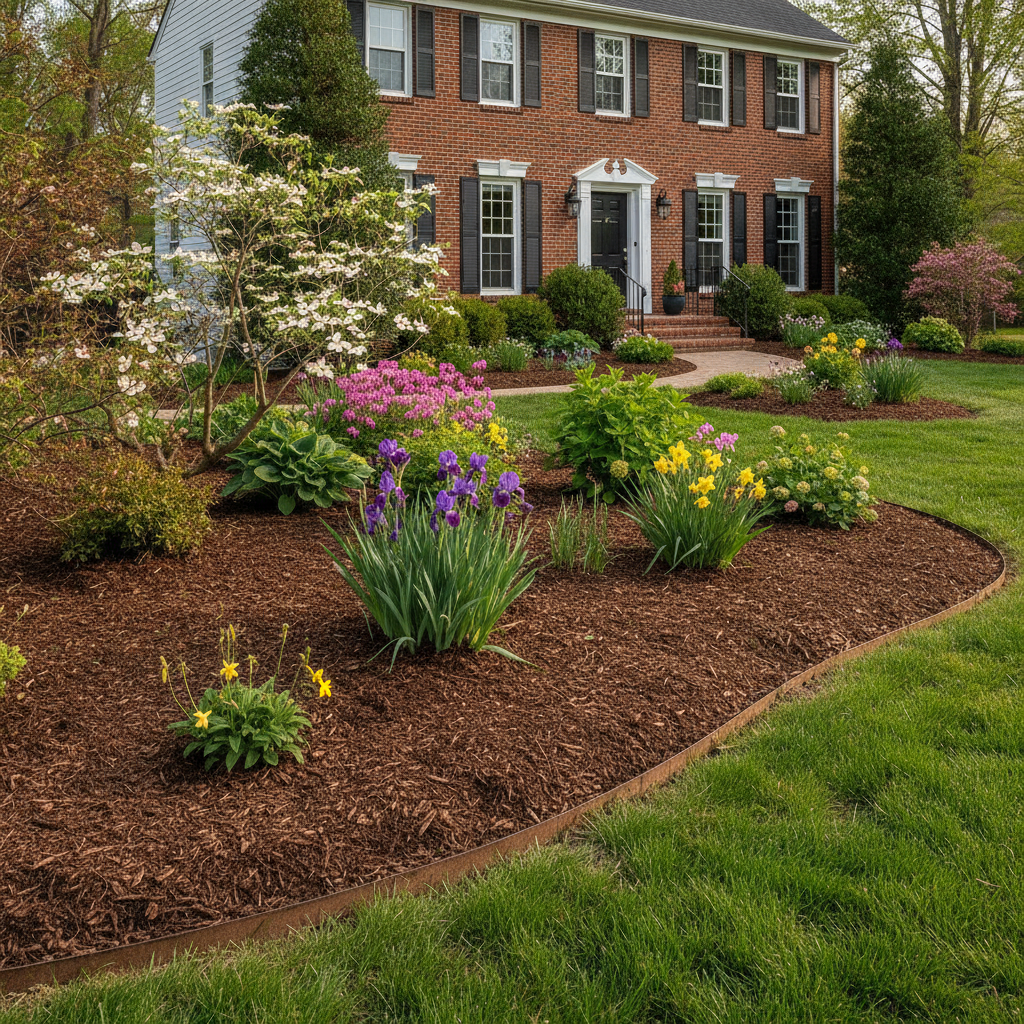
Garden bed cleanup is the systematic removal of debris, pruning of spent growth, re-edging, soil conditioning, and mulch refresh that resets your planting beds for the next season. In Mississauga, consistent bed cleanup improves curb appeal, reduces weeds, and protects perennials from stress. The most reliable results come from a structured, step-by-step process.
By HR Greenroots Landscaping • Last updated: 2026-06-25
Above-the-Fold: Hook + Table of Contents
Use a proven cleanup sequence: clear debris, cut back plants, edge beds, amend soil, and add fresh mulch at 2–3 inches. This workflow prevents weeds, protects roots, and sharpens lines so your landscape looks intentional. Jump to the steps, best practices, and local Mississauga tips below.
Here’s what you’ll find in this complete, practical guide:
- What garden bed cleanup includes and why it matters
- A step-by-step process you can follow this weekend
- Methods for edging, mulching, and weed prevention
- Professional best practices from HR Greenroots
- Tool lists, seasonal timing, and local considerations
- Mini case studies from Mississauga properties
- A concise FAQ you can scan in a minute
Quick Summary
The fastest path to tidy beds is a five-part routine: remove debris, prune, redefine edges, enrich soil, and spread fresh mulch. In Mississauga, aim for spring and fall touchpoints. A clean edge plus 2–3 inches of mulch can cut weed pressure dramatically while elevating curb appeal.
- Primary goal: Restore plant health and bed definition while lowering maintenance.
- Key moves: Clean, prune, edge, amend, mulch—and water in.
- When: Early spring and late fall; light summer touch-ups as needed.
What Is Garden Bed Cleanup?
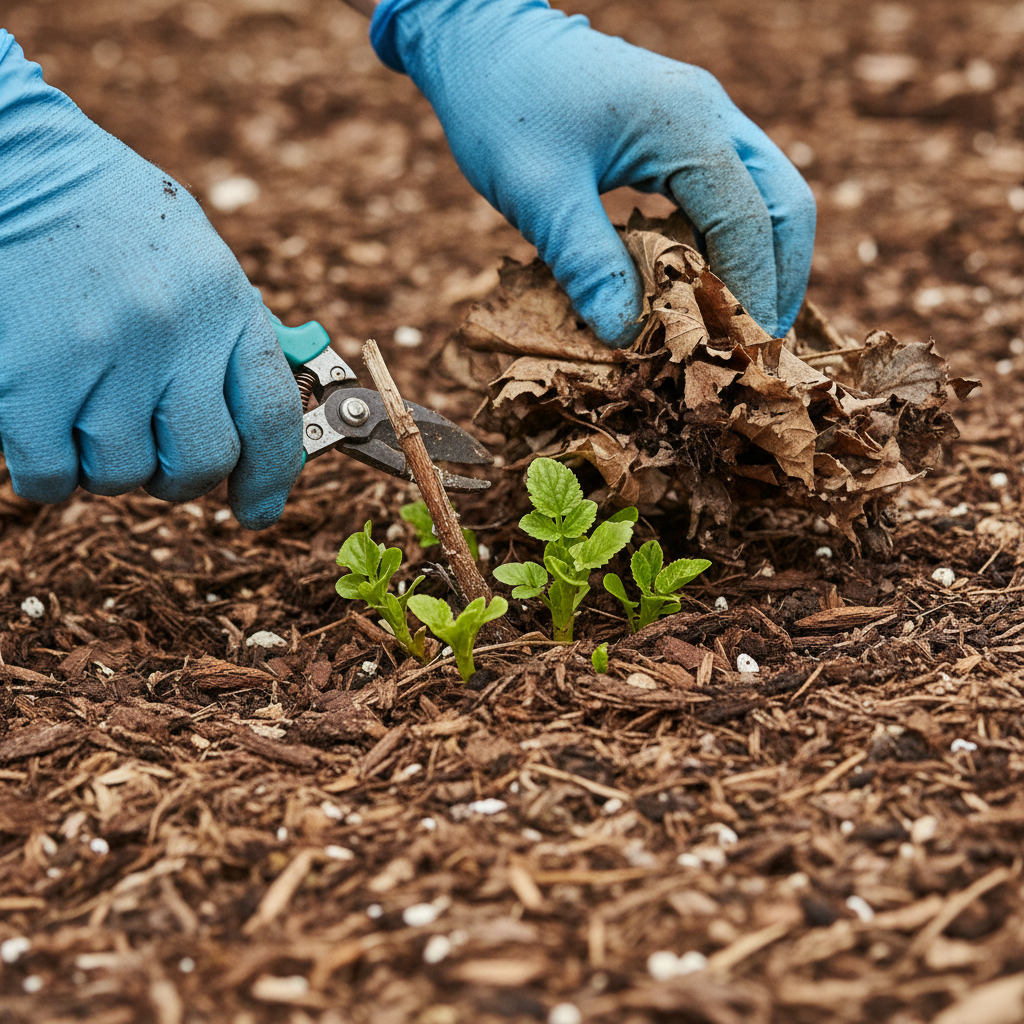
Garden bed cleanup is a structured maintenance routine that resets planting areas by removing debris and weeds, pruning perennials and shrubs, redefining bed edges, refreshing mulch, and improving soil. The result is healthier plants, fewer weeds, and a sharp, intentional look that enhances curb appeal.
At HR Greenroots Landscaping, we treat bed cleanup as the backbone of seasonal maintenance. Beds collect leaves, salt-splashed debris, and winter dieback. Left unmanaged, that clutter fosters pests, invites weeds, and drags down property value.
- Core tasks: Debris removal, selective pruning, weed extraction (roots and all), edge definition, soil amendment, and mulch refresh.
- Touchpoints: Spring reset after thaw; fall cleanup before freeze; light summer grooming.
- Outputs: Clear plant crowns, breathable soil surface, crisp edges, and even mulch depth.
Because cleanup ties directly to plant vigor, we integrate it with seasonal maintenance planning and broader landscape design and build goals so your space stays practical beyond day one.
Why Cleanup Matters in Mississauga
Consistent bed cleanup in Mississauga reduces weed pressure, prevents rot around plant crowns, and stabilizes moisture during spring swings. Clean edges and fresh mulch also elevate curb appeal, supporting property value and easier weekly maintenance across Ontario’s freeze-thaw cycle.
Mississauga’s freeze-thaw rhythm, spring salts, and summer dry spells stress roots and compact soil. Cleanup reorganizes the surface: air reaches roots, mulch moderates moisture, and edges keep turf from creeping into beds.
- Weed pressure: A mulched, debris-free surface disrupts germination and blocks light to sprouting seeds.
- Moisture regulation: Even 2–3 inches of quality mulch slows evaporation and limits temperature shocks.
- Edge control: Defined lines stop lawn invasion, prevent mower scalping, and guide rainwater away from foundations.
We tie cleanup to adjacent hardscapes. For example, at the interface between beds and interlocking pavers, a stable edge and correct mulch depth protect joints from silt and organic fines. That keeps interlocking and pavers looking sharp longer.
Local considerations for Mississauga
- Seasonal rhythm: Plan the major spring reset just after ground thaw, and a fall pass after leaf drop. Around Saigon Park, windblown debris often spikes—budget extra time for leaf removal.
- Campus edges: Near Lambton College, sidewalks can contribute salt and grit. Rinse hardscape edges and remove saline crusts before mulching.
- Maintenance-first planning: If you’re adding beds, design widths for tool reach and integrate edging that matches your mower deck to cut weekly effort.
How Garden Bed Cleanup Works (Step-by-Step)
Follow this sequence: clear debris, pull weeds by root, prune spent growth, redefine edges, amend soil, then add 2–3 inches of mulch. Water lightly to settle. This order avoids double work and locks in a professional, durable finish.
Step-by-step routine
- Remove debris: Rake out leaves, twigs, and winter litter. Bag or compost clean material.
- Weed thoroughly: Extract from the root. Disturb as little soil as possible to avoid new germination.
- Prune and divide: Cut back dead stems above new growth; divide overcrowded perennials to rejuvenate bloom.
- Edge cleanly: Use a spade or half-moon edger to create a 2–3 inch deep, 2–4 inch wide trench that stops turf creep.
- Amend soil: Loosen the top 2–4 inches; blend in compost to add organic matter and improve structure.
- Mulch correctly: Spread 2–3 inches evenly; taper to 1 inch around stems; never volcano around trunks.
- Finish and water: Blow off hardscape, sweep edges, and water lightly to settle dust and mulch.
Spring vs. fall focus
Task Spring Emphasis Fall Emphasis Perennial cutback Remove winter dieback; leave new shoots intact Cut most perennials except winter-interest species Edging Full reset after frost heave Refresh and tighten lines Soil amendment Compost & light fertilizer as needed Compost to protect soil over winter Mulch 2–3 inches for weed suppression Top up thin areas, avoid burying crowns Weed control Pull before seeds set Final pass to reduce spring sproutsTime and tools overview
Activity Typical Time (per 100 sq ft) Primary Tools Debris removal 15–25 minutes Leaf rake, tarp, blower Weeding & pruning 25–45 minutes Hand weeder, pruners, gloves Edging 15–30 minutes Half-moon edger, spade Soil & mulch 20–40 minutes Garden fork, wheelbarrow, mulch forkPrefer to outsource the heavy lifting? Our crews integrate cleanup with broader landscaping plans so edging, bed lines, and plant groups all work together.

Types, Methods, and Approaches
Choose cleanup methods that match bed layout and plant types: hand-pull weeds to protect roots, spade-cut or steel edging for line control, compost top-dress for soil life, and shredded bark or leaf mulch for moisture and weed suppression. Match technique to site conditions for lasting results.
Weed removal approaches
- Hand-pulling with a weeder: Best for taproots and close work around crowns; minimizes soil disturbance.
- Stirrup/oscillating hoe: Effective in open areas; sever seedlings just below the surface.
- Sheet mulching: In neglected beds, smother with cardboard under mulch to reset without deep tilling.
Edging styles
- Spade-cut edge: Classic, flexible, and clean; needs an annual refresh.
- Steel or aluminum edging: Permanent line control; ideal near lawns with aggressive spreaders.
- Interlocking paver border: Integrates with hardscape; requires correct base prep to prevent shift.
For detailed edge execution, see our practical garden bed edging tips.
Mulch types and depth
- Shredded hardwood: Good all-around choice; locks together and resists wind scatter.
- Pine bark fines: Improve soil structure as they break down; top up more often.
- Leaf mold: Excellent for perennials and woodland beds; high in organic matter.
- Depth: 2–3 inches overall; 1 inch around stems; keep mulch off trunks to prevent rot.
Soil enrichment
- Compost top-dress: Boosts microbial life and water-holding; aim for a thin, even layer.
- Light aeration: Loosen compacted surfaces with a fork; avoid deep tilling that brings up weed seed.
- Targeted amendments: Add per soil test and plant needs; avoid blanket applications.
Best Practices (What Pros Do Differently)
Pros sequence work to avoid redo, keep mulch off crowns, and finish with a blower for crisp lines. They also tune edge depth, mulch thickness, and plant cutbacks by species and site exposure to maximize health and reduce future maintenance.
- Sequence once, touch once: Work clockwise; finish zones fully before moving on.
- Cut to crown height: Stop pruning at visible new growth; don’t nick tender shoots.
- Edge geometry matters: Curves should be smooth, not wobbly; mirror adjacent hardscape arcs.
- Mulch taper: Keep 1 inch around stems; build depth outward to 2–3 inches.
- Clean finishes: Blow off pavers, sweep curbs, and fluff mulch for a uniform look.
- Design alignment: Tie cleanup to larger goals—privacy screens, circulation, and future planting layers.
In our experience across Mississauga and the GTA, dialing in edge depth and mulch taper alone can cut weeding time significantly while making weekly mowing faster.
Soft CTA: If you want this level of finish without the weekend workout, book a seasonal pass-through with our team. We align cleanup with design-build plans so your spaces stay practical and low-effort.
Tools and Resources
You’ll get pro results with a clean set of basics: rake, hand weeder, pruners, half-moon edger, garden fork, wheelbarrow, and mulch fork. Add a blower for crisp finishes. Keep tools sharp and gloves sturdy to work faster and protect plants.
Essential tools
- Leaf rake + tarp: Fast debris moves without trampling beds.
- Hand weeder + gloves: Pull taproots cleanly; protect hands.
- Bypass pruners + loppers: Make smooth cuts that heal well.
- Half-moon edger or spade: Create and refresh clean lines.
- Garden fork: Loosen surface without deep tilling.
- Wheelbarrow + mulch fork: Move and spread mulch efficiently.
- Blower + broom: Final detail on pavers and curbs.
For bed layouts that meet your weekly maintenance goals, see our landscaping services overview. For regional inspiration and planting ideas, browse these visual guides: Ajax backyard transformations, design ideas that work, and Durham Region concepts.
Case Studies and Real-World Examples
Cleanup shines when it’s integrated: crisp edges, breathable soil, and even mulch depth across the whole bed network. These Mississauga mini case studies show how sequencing and detail produce faster weekly upkeep and stronger curb appeal.
1) Front bed reset near Saigon Park
- Situation: Winter debris and lawn creep blurred lines; perennials matted.
- Action: Full debris pull, hand-weeding, spade-cut edge, compost top-dress, 2–3 inch shredded mulch.
- Result: Cleaner crowns, fewer weeds, and a visible edge that shortened mowing time.
2) Hardscape interface by Lambton College
- Situation: Bed met interlocking pavers; silt and fines washed into joints.
- Action: Tightened trench edge, added stabilized border, brushed pavers, then mulched with a gentle taper.
- Result: Reduced joint contamination and a durable, clean transition.
3) Slope and retention refresh
- Situation: Upper beds eroded into lower lawn; mulch drifted during storms.
- Action: Recontoured topsoil, added low garden wall, switched to lockable shredded mulch.
- Result: Stable bed lines and far less cleanup after summer rain.
Projects like these often pair cleanup with slope correction strategies and refreshed edging profiles to lock in the result.
Frequently Asked Questions
Most homeowners should clean beds twice yearly—after thaw and before freeze—with quick touch-ups as needed. Focus on weed roots, edge definition, and mulch depth (2–3 inches). Keep mulch off stems and trunks to prevent rot and pest issues.
How often should I do a full garden bed cleanup?
Aim for two full passes each year—one in spring after the ground thaws and one in fall after most leaves drop. Add quick summer touch-ups if weeds appear or mulch thins. This rhythm keeps plants healthy and maintenance predictable.
What mulch depth actually suppresses weeds?
Spread 2–3 inches across the bed, tapering to about 1 inch near plant stems. Too thin won’t block light to weed seeds; too thick can suffocate roots or trap moisture against crowns. Keep mulch off trunks to avoid rot.
Is spade-cut edging better than metal edging?
Spade-cut edges look natural and are flexible for curves but need an annual refresh. Metal edging holds a permanent line and resists lawn creep, which is great for formal layouts. Choose based on your maintenance goals and bed style.
Should I remove all leaves from beds?
Remove matted or diseased leaves and anything burying crowns. You can shred and leave a thin layer of healthy leaves beneath mulch to add organic matter. Keep the surface breathable and clear around stems.
Do I need landscape fabric under mulch?
In most beds, no. Fabric can block soil-air exchange and trap roots at the surface. A better long-term strategy is solid edging, 2–3 inches of quality mulch, and consistent weeding during the first month.
Conclusion and Next Steps
A clean bed is built, not wished into place: remove debris, prune, edge, amend, and mulch. When you match methods to your site and keep lines crisp, weekly upkeep drops—and curb appeal jumps. Schedule two annual passes for durable, low-stress results.
Use these garden bed cleanup tips to plan your next weekend pass. If you’d rather focus on enjoying the space, we can align cleanup with your broader plan—interlock borders, new sod, or a deck refresh—so everything works as one system.
- Bookmark the seasonal maintenance guide for timing.
- Skim our design-build overview to align cleanup with future projects.
- When ready, explore Mississauga landscaping services to get help.
Key takeaways
- Do the five-part routine in order; finish zones before moving on.
- Keep mulch 2–3 inches deep and off crowns and trunks.
- Edge depth and geometry drive both looks and maintenance speed.
- Integrate cleanup with your larger layout for lasting results.
Final CTA: Want a pro-grade reset without the hassle? Book a Mississauga walkthrough with HR Greenroots Landscaping and get a maintenance-first plan tailored to your beds.


