
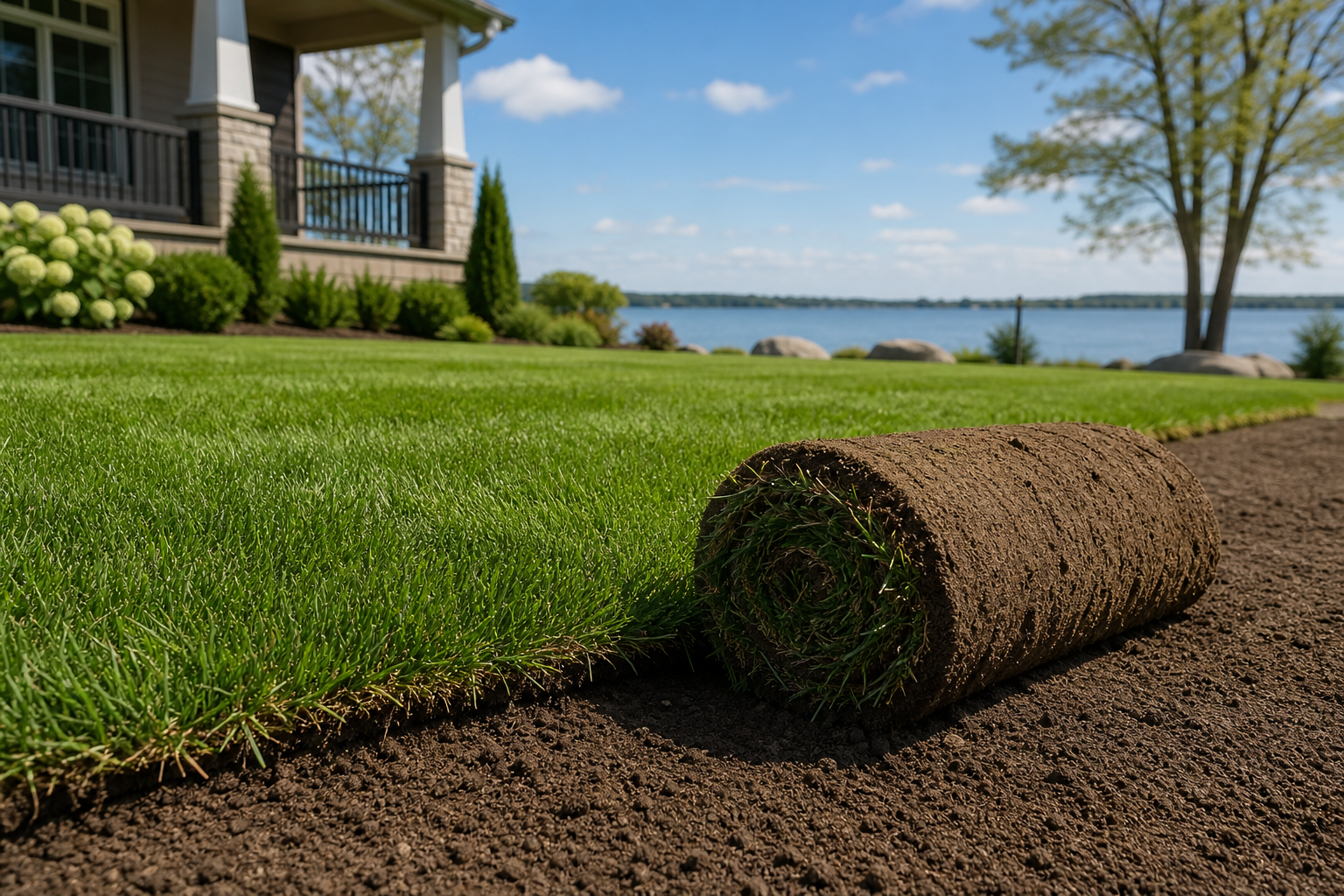
What is the best time for sod installation in Ontario?
Short answer: two optimal windows for Ontario
If you need a single, practical answer to "best time for sod installation in ontario", plan for one of two windows. Spring, roughly April to early June, is the right choice if you want an established lawn earlier in the season. Late summer through fall, roughly mid-August to October, is generally the preferred window because warm soil and cooler air encourage stronger root growth before winter dormancy. Regional sod guides state these same windows and explain why fall is often the safest bet for long-term success, while spring is useful when an early usable lawn matters to you. For more detail, see the sod installation FAQs and timing guidance from Green Horizons, Sodding Company, and Allen Landscaping.
How seasonal conditions affect sod rooting and survival in Ontario
Sod establishes when the root zone grows into the underlying soil. Soil temperature and moisture are the primary drivers of root growth, not air temperature alone. New sod needs warm soil to grow roots and consistent moisture to keep the grass crowns alive. In Ontario, hot, dry summer spells can stress freshly laid turf and slow rooting, while an early frost or cold snap can halt root development before it is deep enough to carry the plant through winter. That biological context is why professional installers recommend specific month windows rather than a single calendar date, and why both spring and fall installations are commonly advised by regional guides.
To read the local recommendations, consult these resources: Green Horizons sod FAQ, Sodding Company homeowner guidance, and Allen Landscaping's timing notes.
Spring versus fall: the tradeoffs and when each wins
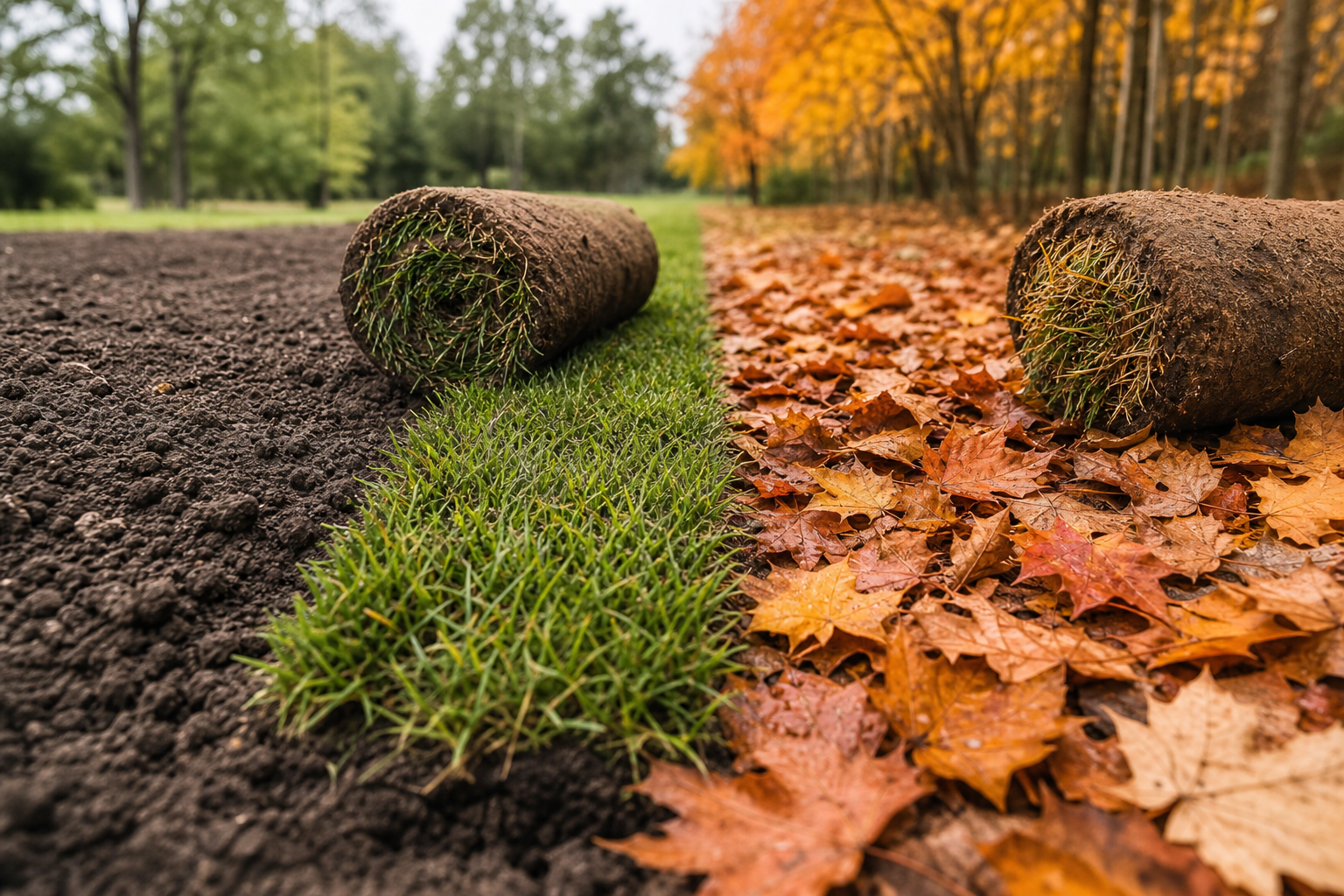
Why choose spring
Choose a spring install when you need a lawn that will be green and usable early in the season. If you install sod in April or May, new turf can root through late spring and be ready for light use by early to mid summer. The tradeoff is higher irrigation demand in summer months, and a greater risk of summer heat or drought stressing shallow roots. Spring installs are often preferred by homeowners with upcoming summer events or when a full growing season is wanted so the lawn can recover before autumn.
Why choose fall
Choose late summer to fall when your priority is strong, long-term rooting and lower maintenance during establishment. Cooler air reduces surface stress and warm soil temperatures persist long enough to encourage root growth. That combination lets the sod build deeper roots going into winter, which improves survival and reduces first-year follow-up work. Many sod specialists in Southern Ontario explicitly recommend late August through October as the best window for overall success.
When to avoid a summer or winter install
Avoid installing sod during the peak of summer heat when prolonged high temperatures and low rainfall will demand aggressive watering and carry a higher failure risk. Likewise, do not install sod when ground is frozen or when heavy frost is expected within a few days. Both extremes make establishing healthy roots difficult. If you must install outside the recommended windows, plan extra irrigation, shading or scheduling around forecast heat, and discuss risk and contingency plans with your contractor.
Site conditions that change the timing: how to adjust for your yard
Calendar windows are a starting point. Your yard's microclimate and site conditions will often change the preferred timing. Before you set a date, answer these on-site questions and let them guide the choice of month.
- Shade and tree canopy: Heavily shaded sites stay cooler and wetter. Consider spring or a slightly earlier fall install, and select shade-tolerant turf varieties.
- Slope and drainage: Sloped or poorly drained areas can sit wet or shed water quickly. Fixing grading and drainage first will change when you can safely lay sod.
- Soil type and compaction: Clay soils warm slowly and can hold water. Sandy soils drain fast and need more frequent watering. Amend soil and time installation so soil is workable.
- Urban heat pockets: Exposed yards near pavement may be much hotter. Shift to fall where possible to avoid peak summer stress.
- Irrigation access and watering bylaws: If you lack irrigation, account for manual watering needs. Check local watering rules before installation, and plan your timing to comply with any seasonal restrictions.
If any of these factors are significant at your property, an on-site consultation will produce a tailored recommendation rather than a calendar rule. HR Greenroots Landscaping emphasises strong base preparation, grading and edge control to improve long-term success, which is why a site visit is often decisive before scheduling.
Pre-install ordered checklist: what to do or confirm with your contractor
Use this ordered pre-install plan as a sequence to follow or verify on a contractor quote. Each item matters to root establishment and long-term performance.
-
Confirm grading and drainage
Fix standing water, regrade low spots and ensure positive drainage away from foundations. Ask for a written note in the quote that grading work is included if needed. Proper grading avoids future washouts and reduces the risk of failed sod.
-
Remove weeds and unwanted vegetation
Clear perennial weeds and roots. A mechanical removal or a nonpersistent herbicide may be recommended depending on the site. Discuss the method and timeline with your contractor so regrowth is minimal at install.
-
Soil testing and amendments
Request a basic soil test for pH and organic matter. Add topsoil or amendments as needed to provide a loose, fertile bed for root entry. Contractors who include testing and amendment line items demonstrate better quality control.
-
Base finish, compaction and edge control
Have the installer rototill, level and lightly compact the base so it is firm but not hardened. Clean edge control improves visual crispness and prevents migration of soil or pavers into the turf.
-
Irrigation access and temporary watering plan
Confirm hose access, tap locations or sprinkler deployment for the first 2 to 4 weeks. New sod needs daily to multiple daily watering until roots take hold, especially in spring or late summer heat.
HR Greenroots Landscaping lists premium sod prep, grading and clean edge control among its core priorities, so use those criteria when comparing quotes and include the HR Greenroots write-up on sod installation timing ontario in your review of local options.
Post-install care and a realistic establishment timeline
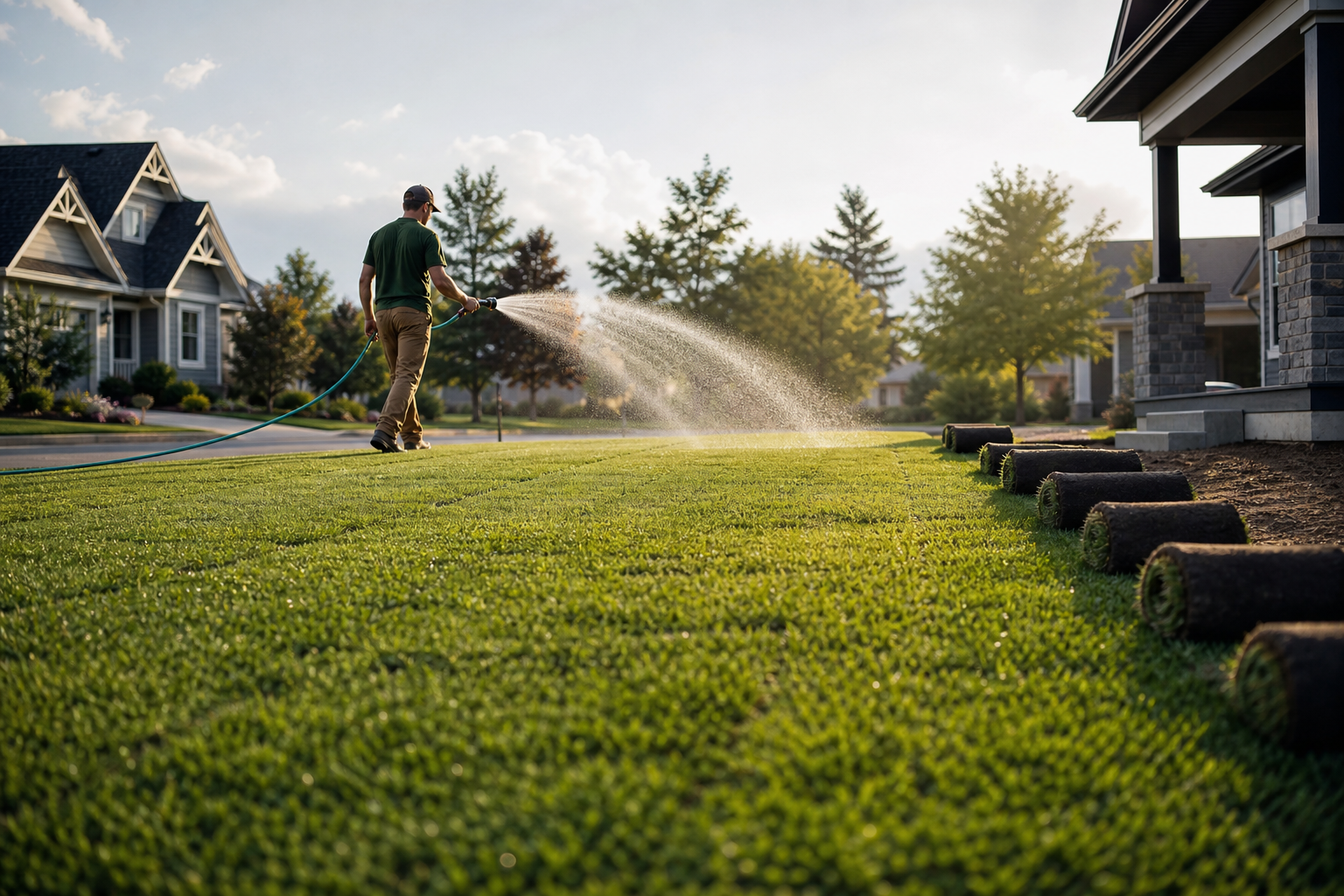
After installation the focus is watering, early mowing and observation for rooting. Below is a conservative, stepwise timeline homeowners can follow. Timelines vary with season and local weather, so treat these as milestones rather than fixed dates.
Weeks 1 to 2: daily intensive care
- Water new sod immediately after installation and then daily or multiple times per day if the surface dries. Ensure moisture reaches the soil beneath the sod, not just the grass blades.
- Do not mow during the first week unless blades are tall and floppy. If mowing is necessary, set the mower high.
- Watch for cold nights in spring or heat waves in late summer and adjust watering accordingly.
Weeks 3 to 6: tapering and first mow
- Begin to taper watering frequency while increasing depth so roots grow down. Replace long shallow watering sessions with fewer deeper ones based on soil moisture checks.
- First mow should remove no more than one third of blade height. A proper first mow confirms rooting if the turf resists lifting.
- Light foot traffic may be allowed once the sod resists being peeled from the substrate. If in doubt, wait an extra week and protect high use areas.
After 6 to 8 weeks: established behavior
- By this point roots should be taking hold in many installations. Continue to taper water and resume normal mowing and fertilising practices suited to the turf type and season.
- If areas remain patchy, call the installer for inspection and follow their warranty or follow-up process.
For homeowner timelines and rooting expectations, the Sodding Company resource explains typical rooting behaviour and how long it can take under Ontario conditions.
Booking and contractor checks for Mississauga and the GTA
In Mississauga and the Greater Toronto Area contractors experience demand peaks in both spring and early fall. Expect lead times to grow during those periods. When you request quotes, verify the following line items and policies in writing.
- Line items for grading, base prep, topsoil or amendments, and edge control.
- Source or type of turf being delivered and whether the variety is climate appropriate for Ontario.
- Photo documentation of pre-install condition and after completion.
- Clear watering plan that assigns responsibilities during the first 2 to 4 weeks.
- Warranty or follow-up commitment and the timeframe for service calls.
Warning signs include vague scopes, unusually low quotes that omit base prep, or no written follow-up policy. If you want a local site visit and an accurate schedule, request a consultation and quote that specifies all the items above. HR Greenroots Landscaping offers on-site consultations and a coordinated design-build approach, which helps align timing, grading and maintenance planning for Mississauga and GTA properties.
Decision checklist and three typical scenarios
Use this compact checklist to choose a window and act.
- Do you need the lawn green and usable by early July? If yes, target a spring install in April or May and plan irrigation.
- Is your priority strongest root establishment and lowest first-year maintenance? If yes, target late August through October.
- Does your yard have shade, poor drainage or an urban heat condition? Schedule a site consult to pick the month and fix critical site issues first.
- Verify grading, soil prep, irrigation access and a written watering plan before booking the install.
Three common scenarios and recommended action:
- Need lawn by Canada Day Choose a spring install, confirm irrigation, and accept a slightly higher watering load in summer.
- Want the strongest long-term lawn Choose late August to early October, fix grading now, and let warm soil and cool air do the rest.
- Shade or drainage problems Book a specialist consult, address drainage or tree canopy items, then set the install window based on improvements.
If you are ready to schedule a consultation for your property, see our specialist write up on sod installation timing ontario and request a site visit so a precise timeline and quote can be provided. Ready to schedule a site consultation and get a precise timeline and quote?
Frequently asked questions
Can I install sod in July in Ontario and expect it to survive?
Installing in July is possible but carries higher risk because of heat and drought. If you must install in July, ensure a strict watering plan, hands-on monitoring for heat stress, and immediate irrigation access. When possible, prefer spring or late August to October for lower risk.
How long before I can walk on newly installed sod in Ontario?
Light foot traffic is usually safe once the sod resists being lifted and shows root anchoring, commonly around three to six weeks depending on season and watering discipline. Wait longer in colder spring conditions and check with your installer before heavy use.
What if my lawn has slope or drainage problems, does timing change?
Yes. Fixing slope or drainage should come before sod. Poor drainage can drown new roots and slope can cause washouts. Correcting these issues can shift your install window slightly, so schedule a site assessment first.
Will municipal watering bylaws in Mississauga or the GTA stop me from establishing new sod?
Local watering bylaws vary throughout the GTA and can affect when and how you irrigate. Check your municipality before scheduling and include a watering plan with your installer that complies with local rules. If a ban is in place, ask the contractor about permitted exemptions for new sod establishment.
Key takeaway: the best time for sod installation in Ontario is either spring or late summer to fall, chosen based on your need for early use, the site conditions, and your ability to water consistently. When in doubt, arrange a local site consult so timing and prep are adapted to your property.
Further reading and references: Green Horizons sod FAQ, Sodding Company FAQ, and Allen Landscaping timing guide.


