
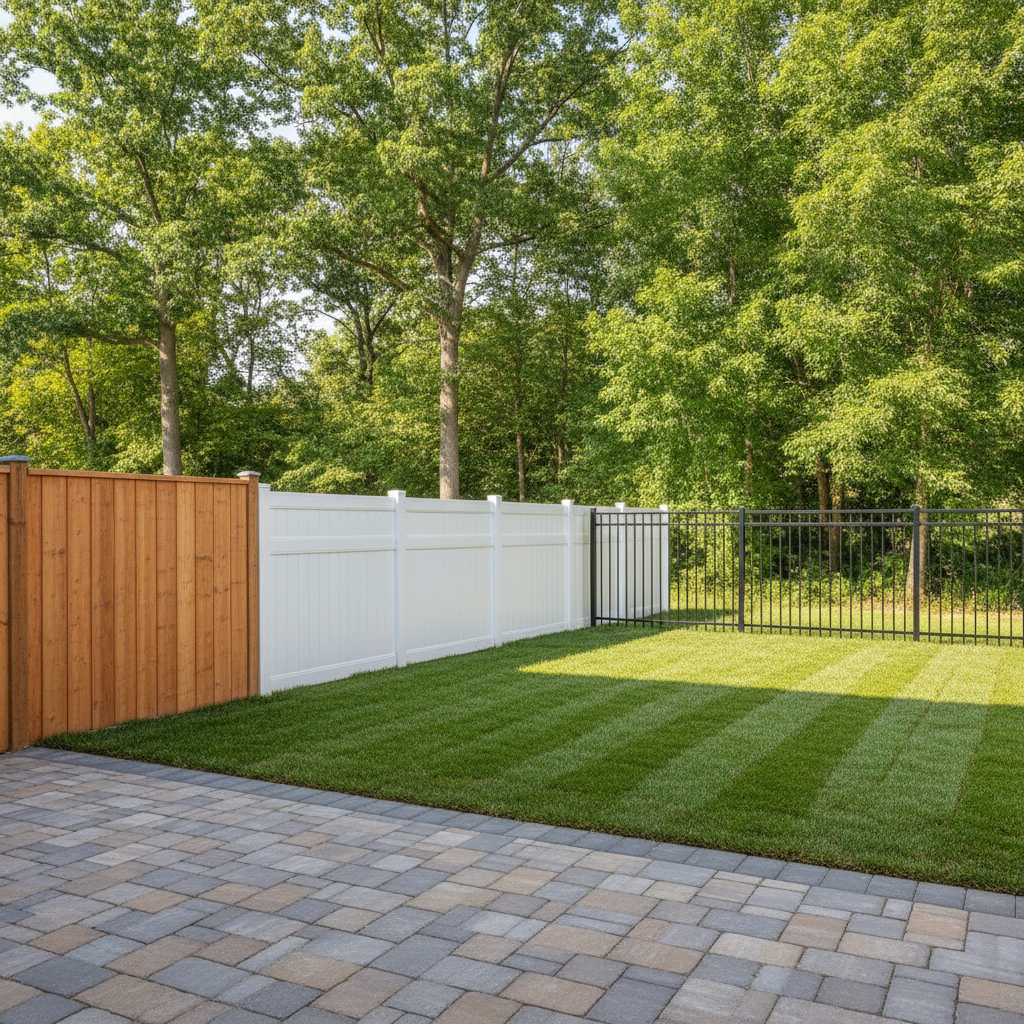
Choosing the right fencing material for your Mississauga home means balancing privacy, durability, and maintenance in our freeze–thaw climate. From our base at 100 Matheson Blvd E unit 202, HR Greenroots Landscaping helps homeowners match materials to soil, wind exposure, and yard use so the fence looks great and works hard year-round.
By HR Greenroots Landscaping — Last updated: June 17, 2026
At a Glance
Pick a fence material by aligning privacy goals, durability in freeze–thaw cycles, maintenance effort, and local bylaws. Wood offers warmth, vinyl reduces upkeep, aluminum resists corrosion, composite blends strength and low maintenance, and chain link maximizes function. Confirm post depth for frost, drainage, and height rules before you commit.
Here’s the fast snapshot we use during on-site consultations across Mississauga and the GTA:
- Privacy first? Solid wood or composite panels create near-total screening and reduce visual clutter.
- Low maintenance? Vinyl and powder-coated aluminum minimize painting and staining cycles.
- Storm-ready? Heavier posts (4x4 or 6x6) set below local frost depth with proper drainage limit heave and lean.
- Design cohesion? Tie gates, paths, and planting beds into a single plan so the fence feels intentional.
- Future changes? Modular systems and clear property lines ease repairs, upgrades, and neighbor coordination.
Before You Start (Prerequisites)
Verify property lines, local height limits, and underground utilities, then assess wind exposure, drainage, soil type, and gate locations. Decide if your priority is privacy, security, style, or pet containment. Finally, confirm frost-depth post settings and neighbor agreements to avoid rework and delays.
Starting well prevents most fence headaches. In our experience, projects that begin with a simple checklist stay on schedule and pass inspections the first time.
Local considerations for Mississauga
- Plan for freeze–thaw cycles: post holes commonly go roughly 42–48 inches deep to get beneath frost impact and reduce heaving.
- Seasonal pacing: spring and fall installs avoid peak summer soil dryness; winter digs need frost-safe techniques and staging.
- Neighborhood details: streets near EPIC College of Technology and Saigon Park see pedestrian flow; align gate placement and screening with sightlines and safety.
For cohesive outcomes, we often pair fence planning with site grading, edging, and bed layout so the boundary line integrates cleanly with lawns and hardscapes.
Related reading: explore designs in our privacy fence options guide and avoid pitfalls noted in common fence installation mistakes.
Mississauga Climate, Bylaws, and the Regional Context
Mississauga’s freeze–thaw cycles, lake-effect winds, and clay pockets demand deep posts, proper gravel backfill, and drainage. Many GTA municipalities cap backyard fence height near 6–7 feet and limit front-yard visibility. Confirm current rules in the Regional Municipality of Peel before finalizing design and materials.
Material choice is only half the story; local performance is the other half. Clay-rich soils can hold water, amplifying heave forces on posts. Paired with prevailing winds, taller solid fences act like sails if footings are shallow or drainage is poor.
- Frost-aware footing: Deeper settings with tamped stone and weep paths reduce freeze uplift and leaning over time.
- Height and sightlines: Backyard heights typically land around 6–7 feet; front yards often require more openness near driveways and corners.
- Noise and privacy: Solid boards or board-on-board styles deflect sound and block views; stagger seams to limit gaps as wood seasons.
- Wildlife and pets: Add dig barriers, tighter picket spacing, and secure latches for containment without sharp edges.
When we rebuild along slopes, we often coordinate landscape design and build details—steps, edging, and plant layers—to stabilize the line and improve curb appeal.
How to Choose the Right Fencing Material
Define your primary goal, align it with site realities (soil, wind, grade), shortlist two materials that fit maintenance preferences, then validate with a small mock-up or sample panel. Confirm post specs, hardware, and drainage. The best choice balances looks, performance, and upkeep in your exact yard.
This is the on-site flow our team follows when a homeowner asks how to choose the right fencing material for a Mississauga home:
- Clarify goals: Privacy, pool compliance, pet safety, or a decorative perimeter.
- Audit the site: Measure slopes, check drainage patterns, and map utilities and trees.
- Shortlist materials: Pick two candidates that meet privacy and care goals.
- Touch the samples: Compare textures, colors, and heat gain in sun.
- Confirm structure: Post size, spacing, wind bracing, and gate framing.
- Plan transitions: How the fence meets patios, sod edges, sheds, and driveways.
- Document details: Heights, neighbor lines, and hardware so install day stays smooth.
Need help integrating the fence with walkways or patios? See practical ideas in our fence materials guide and coordinated hardscape approaches in landscape design and build.
Material-by-Material Comparison
Wood offers natural warmth and full privacy with regular care. Vinyl resists moisture and fading with minimal upkeep. Aluminum is light, corrosion-resistant, and elegant for pools. Composite blends recycled cores with durable skins. Chain link maximizes function and cost control; add slats or hedging for privacy.
Quick decision grid
Material Privacy Durability Maintenance Style Notes Best For Wood (cedar, pressure-treated) High (solid panels) High with upkeep Stain/seal cycles Warm, customizable Privacy, classic look Vinyl (PVC) High (solid) to Medium (picket) High (moisture-proof) Wash occasionally Clean, uniform Low-maintenance privacy Aluminum (powder-coated) Low to Medium Very high (rust-resistant) Minimal Open, elegant Pools, front yards Composite (capped boards) High Very high Minimal (no staining) Modern, stable color Premium privacy, longevity Chain link (with/without slats) Low to Medium High Minimal Utility-forward Side yards, containment Living screen (hedges) Medium (matures) High (with care) Seasonal pruning Green texture Soft privacy edgesMaterial insights from Mississauga installs
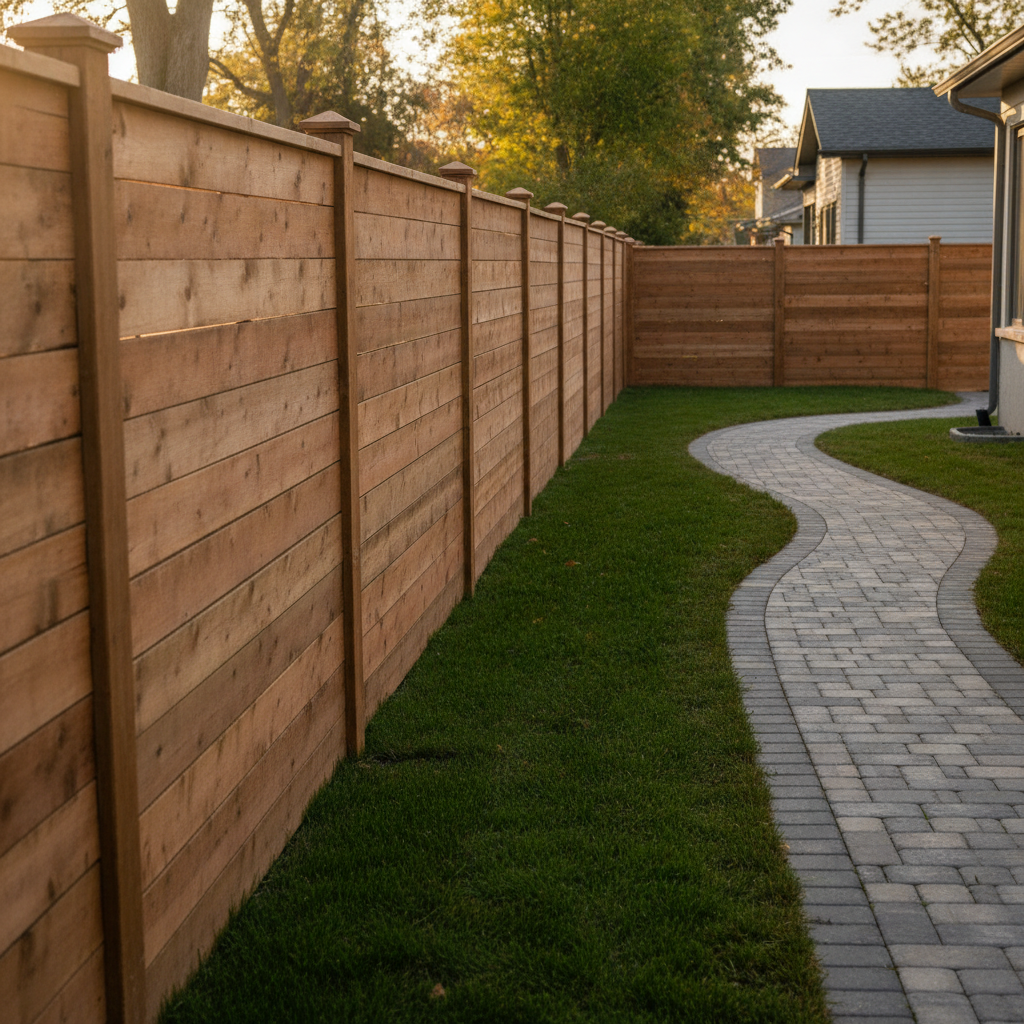
- Wood: Cedar’s natural oils resist decay; board-on-board styles maintain privacy as boards season and shrink.
- Vinyl: Hollow profiles keep weight low; reinforced rails at gates cut sag. Light colors reduce heat gain.
- Aluminum: Rackable panels handle gentle slopes; powder coating resists salt and splash near driveways and pools.
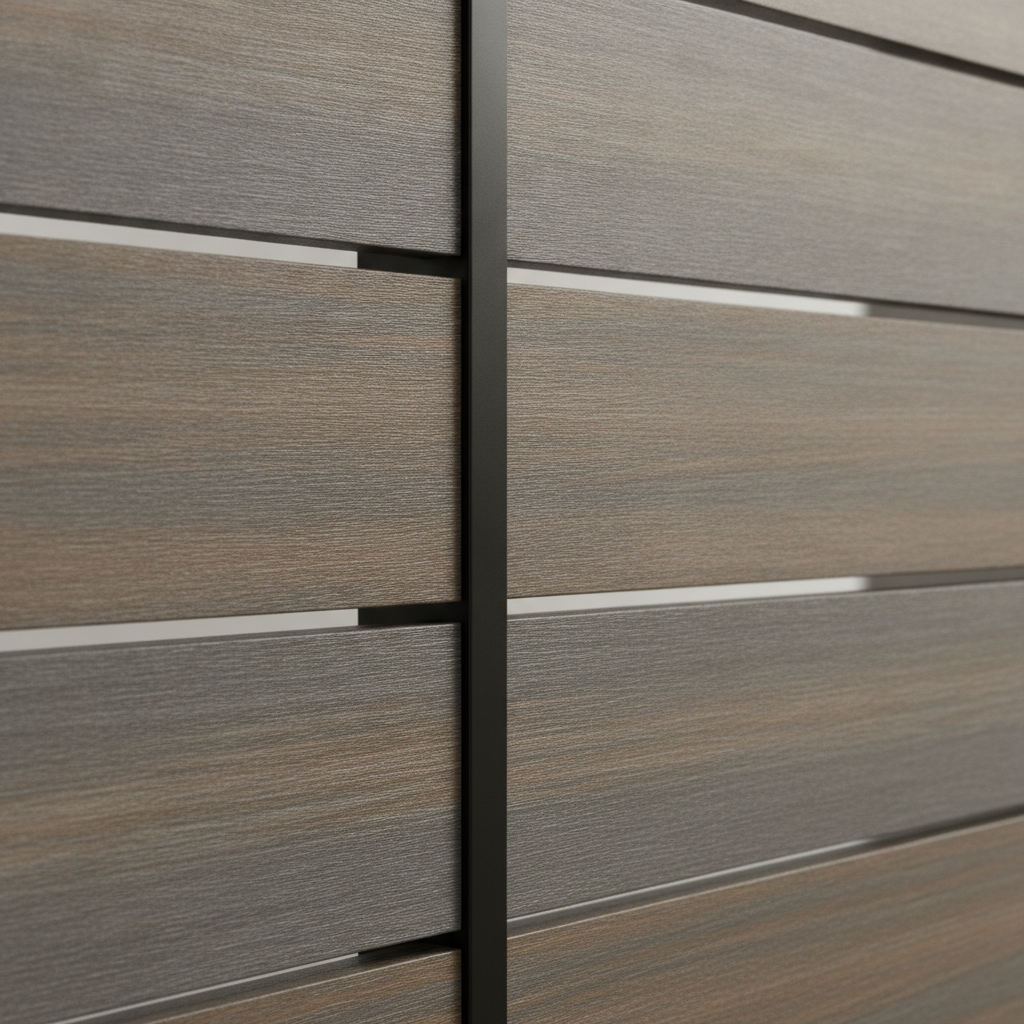
- Composite: Capped boards limit fading; hidden fasteners and aluminum frames deliver clean, modern lines.
- Chain link: Add privacy slats or integrate a shrub layer for softer views; black mesh visually recedes.
- Living screens: Combined with fresh sod timing, hedging defines zones without harsh edges.
Step-by-Step Process: From Idea to Installed Fence
Map property lines, choose the material and height, specify posts and hardware, and integrate gates and surfaces. Stake the line, mark utilities, and set posts below frost with gravel. Build panels square, add caps and trim, then finish with planting and edging for a clean, durable boundary.
1) Plan and measure
- Confirm survey pins or request a line locate; walk the perimeter and note grade breaks.
- Sketch panel counts, gate widths, and transitions to patios, sheds, and driveways.
2) Select the system
- Shortlist two materials that meet privacy and care goals; compare real samples in sun and shade.
- Decide on post size (4x4 vs. 6x6), spacing, rail count, and bracing for windy exposures.
3) Prepare the line
- Call utility locate services; mark irrigation, lighting, and any shallow roots.
- Stake a stringline; plan step-downs on slopes to keep panels square and neat.
4) Set posts correctly
- Bore holes below frost influence; add a few inches of compacted gravel for drainage.
- Plumb and brace posts; double-check heights at gates and corners.
5) Build panels and gates
- Assemble panels square; keep consistent gaps if using pickets for a uniform look.
- Frame gates with additional rails and diagonal bracing; use heavy-duty, rust-resistant hinges and latches.
6) Finish and integrate
- Add post caps, trim, and protective finishes where applicable.
- Blend edges into interlocking or bed lines for a polished boundary.
Want a design-led route? Our crews coordinate landscape design and build so your fence, walkways, sod, and planting read as one plan.
Free yard planning chat: Book a quick assessment with HR Greenroots Landscaping to discuss materials, frost depth, and design tie-ins. Visit our website to get started.Troubleshooting: Avoiding Early Wear and Lean
Most fence problems trace back to shallow posts, poor drainage, or undersized hardware. Recheck frost-depth settings, add gravel and weep paths, upsize posts on windward runs, and brace wide gates. Seal wood promptly, and tighten seasonal fasteners before winter and after spring thaw.
- Leaning sections: Verify post depth and backfill; add diagonal bracing or reduce panel height on exposed runs.
- Gate sag: Reinforce frames with diagonal braces; upgrade to larger hinges and positive latches.
- Rot at grade: Keep wood off soil; use gravel skirts and drip edges to shed water.
- Frost heave: Improve drainage, deepen footings, and avoid trapped water around posts.
- Noise bleed: Add mass via board-on-board or staggered seams; integrate a shrub layer to scatter sound.
We expand on the most common pitfalls in our installation mistakes guide, including alignment checks and hardware choices that stand up to Ontario seasons.
Advanced Tips for Longevity and Curb Appeal
Combine structural best practices (deep posts, drainage, robust hardware) with design moves (cap rails, shadow lines, coordinated gates) for a fence that lasts and looks intentional. Plan plant layers and edging now to simplify mowing, leaf cleanup, and future repairs.
- Edge control: Define crisp lines where fence meets interlock or beds to speed mowing and reduce string-trimmer scuffs.
- Color strategy: Darker finishes help a boundary recede; lighter tones reflect heat on sun-baked runs.
- Mixed materials: Pair aluminum frames with composite infill for strength, privacy, and clean geometry.
- Service access: Include a wider gate if you’ll add sheds, sod, or stone later; future-you will thank you.
- Seasonal care: Rinse salt splash in late winter and early spring; check fasteners ahead of freeze and after thaw.
Frequently Asked Questions
Homeowners often ask about material lifespan, snow and wind performance, pool compatibility, and how fences integrate with patios or sod. Here are direct answers from our Mississauga field work to help you decide with confidence.
Which fence material lasts the longest in Mississauga’s climate?
Composite and powder-coated aluminum typically outlast wood in freeze–thaw cycles because they resist moisture and UV better. Wood can perform very well with proper sealing and design details like post caps and gravel skirts, but it needs periodic maintenance to stay at its best.
What height should I choose for backyard privacy?
Many homeowners target about 6–7 feet for backyard privacy, pending local bylaws and neighbor agreements. Solid boards or board-on-board layouts provide consistent screening. Where wind is a concern, consider stepping down heights or using lattice tops to relieve pressure.
Can a new fence tie into my patio or interlocking walkway?
Yes. Plan gate alignments, landing pads, and edging so the fence meets pavers cleanly and drains away from posts. Our crews often set posts first, then cut-in soldier courses or borders for a seamless transition that looks built together.
What’s the best material for a pool enclosure?
Powder-coated aluminum is a strong choice around pools because it resists corrosion and meets typical visibility and climb-resistant requirements. Many homeowners pair aluminum with privacy hedging outside the pool zone to soften views without compromising compliance.
Key Takeaways
Start with your primary goal, then choose a material that performs in Mississauga’s soils and seasons. Commit to proper post depth and drainage, align heights with bylaws, and integrate gates, pavers, and plantings. The result is a durable, beautiful boundary that simplifies maintenance.
- Match material to privacy, upkeep, and local climate realities.
- Set posts deep with gravel and robust hardware to prevent lean.
- Use design details—caps, trims, mixed materials—for long-term appeal.
- Integrate with patios, sod, sheds, and beds so everything works as one.
Conclusion
The best fence for a Mississauga home is the one that balances looks, longevity, and care in your specific yard. Define your goal, validate site conditions, and select a system designed for frost and wind. Tie the boundary into paving and planting so it feels like a single, finished project.
As a full-service design–build team, we plan your boundary alongside interlocking, sod, and planting. That’s how we deliver fences that look intentional on day one and stay straight through the seasons.
If you’re ready to walk your property line with a pro, reach out to HR Greenroots Landscaping. We’ll bring samples, confirm site details, and map a clear, maintenance-minded plan.
Additional Resources
Explore material specifics, seasonal timing, and design integration. These resources expand the concepts above so you can move from idea to a confident, code-ready plan for your Mississauga property.
For fence design inspiration and planning cadence, see our privacy fence options, the broader landscape design and build overview, and timing notes in best time for sod installation. For local housing context and neighborhood planning, browse insights from this Mississauga homebuying overview, regional service examples like Mississauga projects, and a lawn establishment primer in sod installation Mississauga.


