
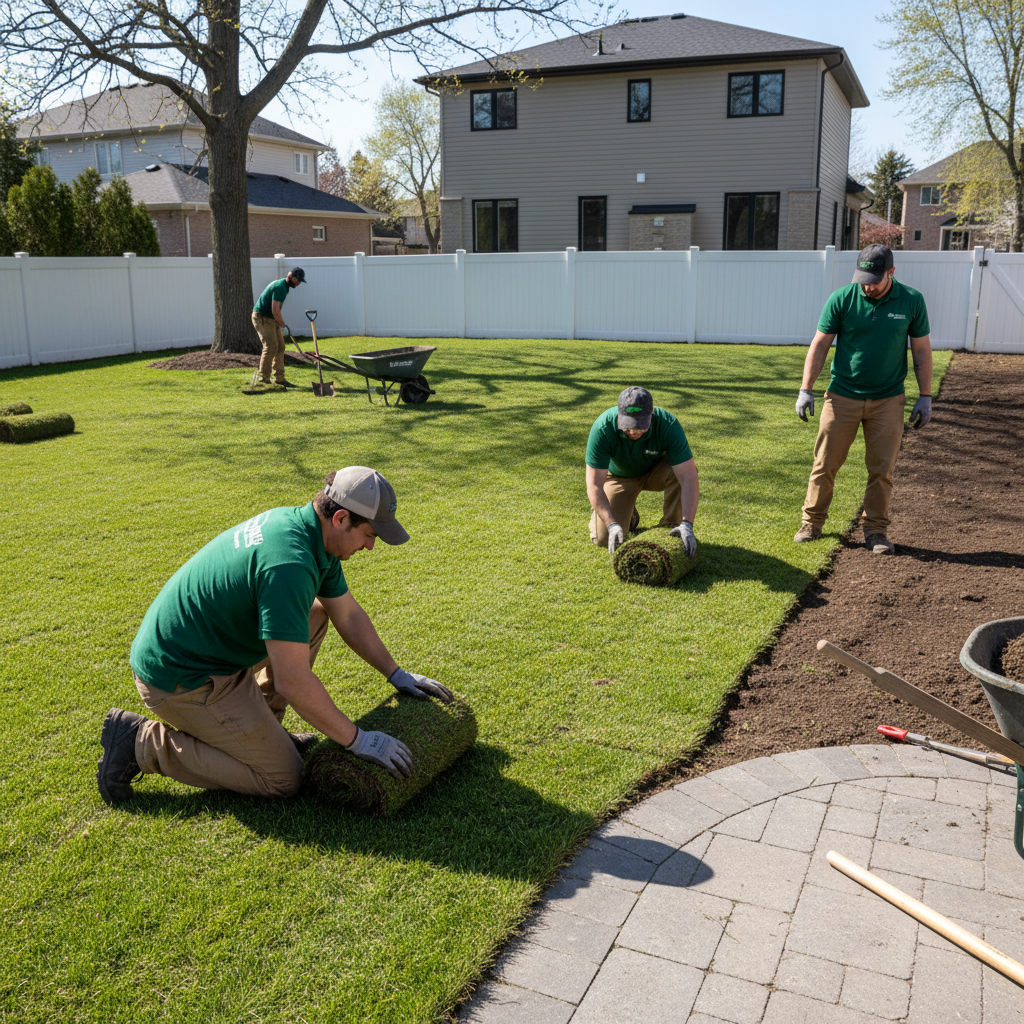
Sod installation timing in Ontario is the window when soil temperatures, weather, and site prep align for rapid rooting and minimal stress. In Mississauga, the most reliable periods are mid-spring and early fall. Choose these windows, prep the base correctly, and water on schedule to help new turf knit in 10–14 days.
By HR Greenroots Landscaping • Last updated: 2026-05-10
Quick Summary: Best Sod Timing in Ontario
For most Ontario lawns, lay sod in mid-spring (soil 55–65°F / 13–18°C) or early fall (daytime 60–70°F / 16–21°C). These windows balance soil warmth, cooler air, and steady moisture—ideal for root growth. With proper base prep and irrigation, new sod typically roots in 10–14 days and is ready for its first mow soon after.
Here’s what you’ll learn and use today:
- Exact soil temperature and weather targets for Ontario rooting success
- Spring vs. summer vs. fall windows compared, with risks and benefits
- Step-by-step base prep, watering schedules, and mowing timelines
- A buying guide for fresh, compatible turf and installation tools
- Mississauga-specific timing tips based on on-the-ground experience
Plan to coordinate sod with other site upgrades. Pairing new turf with tight edge control and grading improves drainage, reduces seams, and keeps maintenance simple.
What Is “Sod Installation Timing”?
Sod installation timing is the strategic choice of season and weather conditions—soil warmth, air temperature, moisture, and daylight—so new turf roots fast and stays healthy. In Ontario, timing also accounts for frost risk, spring thaw, and late-summer heat, which influence watering frequency and establishment speed.
Think of timing as the “environmental checklist” for a new lawn. When the checklist reads green—right soil temps, cooperative weather, and prepped soil—your sod establishes quickly.
- Soil temperature: Aim for at least 50°F (10°C); 55–65°F (13–18°C) is the sweet spot for most cool-season sods.
- Air temperature: Daytime 60–75°F (16–24°C) reduces heat stress and water loss.
- Moisture pattern: Consistent light rainfall lowers irrigation demand during week one.
- Daylight hours: Longer days in late spring speed photosynthesis and rooting.
In our experience serving Mississauga and the GTA, sodding in the right window shortens establishment by several days and reduces callbacks for drying edges or silvering seams.
Why Sod Timing Matters in Ontario
Ontario’s freeze–thaw cycles, late-spring rains, and occasional heat waves make timing critical. The right window reduces watering demand, limits disease pressure, and lowers the risk of edge drying or turf shock. Pick a cooperative season and your lawn usually reaches first mow within two weeks, not a month.
Here’s why this matters for homeowners, small businesses, and larger properties in Mississauga and the GTA:
- Rooting speed: Warmer soil drives faster root initiation; 10–14 days is common in the right window.
- Water efficiency: Cooler air and light rain lower irrigation frequency during week one.
- Less disease stress: Avoiding prolonged heat and humidity reduces turf disease pressure in new sod.
- Cleaner seams: Properly timed installs—and solid base prep—minimize shrinkage gaps as sod settles.
Good timing also syncs with other work. If we’re installing interlocking, grading, and beds in one plan, placing sod after compaction testing and edge-setting keeps your lawn flush to hardscapes.
How Sod Establishes (So You Can Time It Right)
New sod establishes by forming new roots into prepped topsoil. Best results come when soil is 55–65°F (13–18°C), seams are tight, and irrigation keeps the top 1–1.5 inches moist for 7–10 days. Gentle foot traffic is fine after week one; mowing usually starts around day 10–14.
The establishment timeline is predictable when conditions are right.
- Day 0: Lay fresh sod on a firm, level base; water until the top 3–4 inches are uniformly moist.
- Days 1–3: Light, frequent watering maintains surface moisture; seams stay tight.
- Days 4–7: Roots begin to anchor. You’ll feel light resistance when lifting a corner.
- Days 8–14: Reduce frequency, deepen soaks to promote deeper roots; first mow when the lawn reaches 3–3.5 inches.
Pro tip: Integrate sod with edge control and grading so water doesn’t collect at borders or wash off high spots.
Ontario Sod Timing Windows Compared (Spring, Summer, Fall)
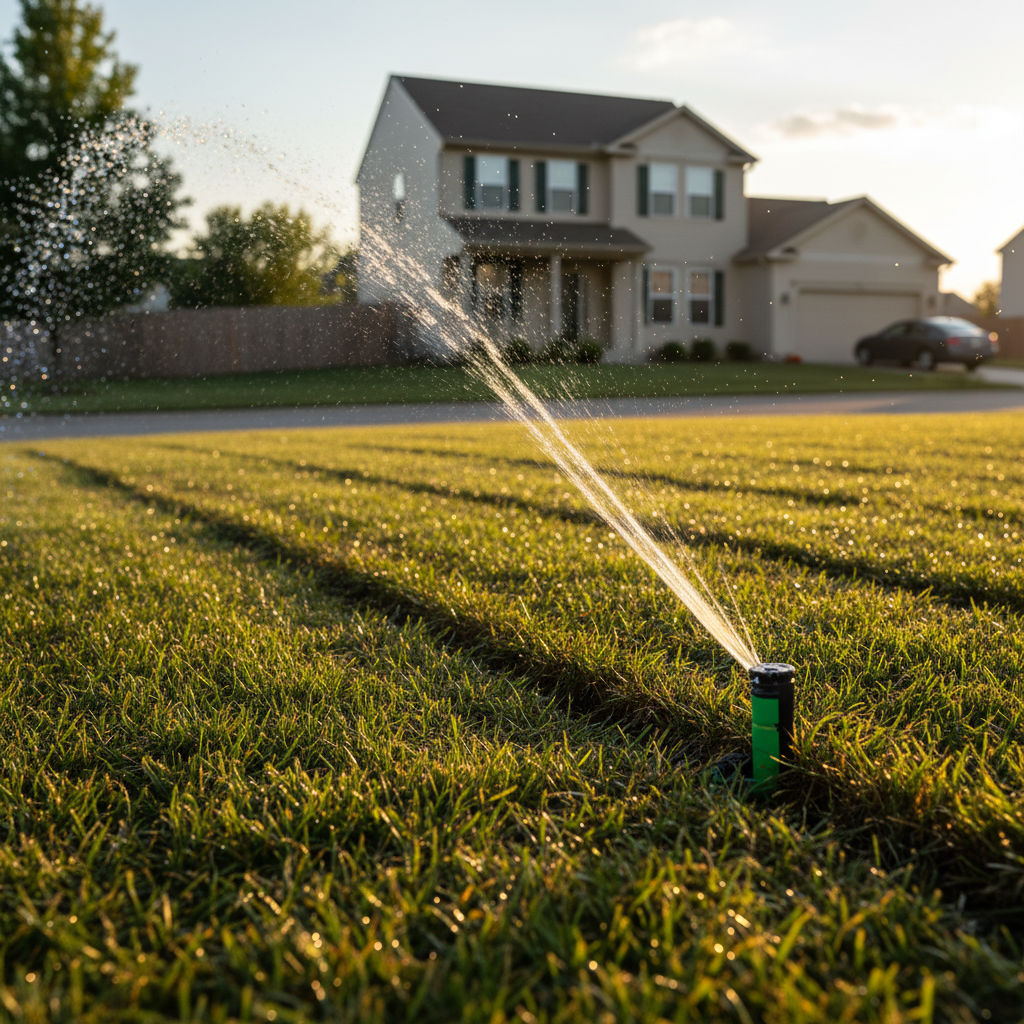
In Ontario, the most forgiving sod windows are mid-spring and early fall. Spring offers soil warmth plus rainfall; early fall adds cool nights and fewer weeds. Early summer works with careful watering, while peak summer heat increases risk and irrigation demand.
Use this comparison table to choose the right window for your site.
Season Window Typical Targets Pros Watch-outs Watering (Week 1) Root-in (Days) Mid-Spring (late Apr–May) Soil 55–65°F; daytime 60–72°F Rain assists; fast rooting; quick green-up Heavy rain can puddle; spring weeds compete 2–3 light cycles/day to keep surface moist 10–14 Early Summer (June) Soil 65–70°F; daytime 70–80°F Long days; strong growth with irrigation Heat spikes stress turf; higher water needs 2–4 cycles/day depending on sun and wind 10–16 Peak Summer (July–Aug) Soil 70–80°F; daytime 80–88°F+ Possible with shade or irrigation systems High heat stress; faster edge drying 3–5 cycles/day; deep soak evening 12–18 Early Fall (Sept–early Oct) Soil 55–65°F; cool nights Low weed pressure; steady moisture Shortening days; frost risk later in Oct 2–3 light cycles/day initially 10–14If you’re integrating new sod with front-yard upgrades, early fall often provides the cleanest finish before winter.
Buying Guide: Picking the Right Sod and Supplies (Ontario)
Choose fresh, region-appropriate cool-season sod, confirm delivery the morning of installation, and stage irrigation and starter fertilizer before rolls arrive. Inspect for moisture, tight-knit roots, and uniform color. A clean, firm base plus compatible sod species are non-negotiable for fast rooting.
What to look for in fresh sod
- Harvest freshness: Install within 24 hours of harvest; pallets should feel cool and damp.
- Root mat quality: Thick, bonded roots that hold together when handled.
- Uniform blades: Even height and consistent rich green color without yellowing.
- Species match: Cool-season blends (e.g., Kentucky bluegrass with fescue) suited to Ontario sun/shade mix.
Tools and materials to stage before delivery
- Base-prep tools: Grader/rakes, lawn roller, and a sharp utility knife for seam cuts.
- Soil amendments: Starter fertilizer (low N, higher P), compost/topsoil if needed for 4–6 inches of quality rooting depth.
- Irrigation readiness: Hoses, sprinklers, or a programmed system to water immediately after laying the first strips.
- Edge control: Paver/sod restraint or clean hard edges to keep lines tight.
HR Greenroots coordinates delivery with a same-day installation plan so sod never sits on a hot pallet longer than necessary.
Best Practices by Season (Prep, Watering, Mowing)
Prep a firm, level base; lay sod tight to edges; water immediately and often during week one. In spring and fall, light/frequent cycles work best; in summer, pre-dawn plus evening deep soaks are essential. First mow at 3–3.5 inches with a sharp blade.
Base preparation checklist (Ontario sites)
- Grade for positive drainage away from structures (1–2% slope where possible).
- Establish 4–6 inches of quality topsoil; remove stones and debris.
- Lightly roll to create a firm, springy base—your footprint should barely mark.
- Broadcast starter fertilizer as labeled; water lightly before the first roll.
Watering schedule (first 14 days)
- Days 0–3: Keep the top 1–1.5 inches continuously moist. Expect 2–4 short cycles/day depending on sun, wind, and temperature.
- Days 4–7: Begin slightly deeper soaks once or twice daily; confirm edges are not drying or shrinking.
- Days 8–14: Transition to every other day, but increase depth so moisture reaches 3–4 inches.
Mowing and traffic
- Mow at 3–3.5 inches when the lawn is dry and the sod resists a gentle tug (often day 10–14).
- Use a sharp blade; remove no more than one-third of leaf height per mow.
- Limit heavy foot traffic during week one; normal use typically resumes after two weeks.
Coordinating sod with adjacent hard edges and walkways keeps seams tight and reduces trimming effort long term.
How to Read Ontario’s Climate Signals
Watch soil temperature trends, 7–10 day forecasts, and rainfall patterns. When soils sit above 55°F (13°C) and the forecast shows moderate highs with light showers, schedule sod. Pause for multi-day heat waves, hard frosts, or heavy downpours that cause puddling.
- Soil temperature: Use a basic soil thermometer; target 55–65°F (13–18°C) at 3–4 inches depth.
- 7–10 day forecast: Favor stretches with highs 60–75°F (16–24°C), low wind, and intermittent showers.
- Rain vs. irrigation: Light rain assists; heavy rain can float seams and erode fresh topsoil.
- Frost risk: Avoid installs when late frost is still likely; protect fresh sod if an unexpected frost warning appears.
In Mississauga and across the GTA, we often see the first stable spring window arrive in late April or early May, with a second prime window starting in early September.
Pairing Sod with Site Upgrades for Durability
Sod lasts longer when it’s integrated with grading, edge control, and drainage. Set final lawn heights flush to pavers, walks, and beds. Add mulch borders to reduce mower scuffing and conserve moisture at the lawn–bed interface.
- Interlocking borders: A neat soldier course at the lawn edge protects seams and cleans up trimming.
- Retaining and grading: Tighten slopes and control runoff before turf goes down.
- Mulched beds: A 2–3 inch mulch layer buffers moisture and reduces weeds along edges.
- Irrigation layout: Ensure head-to-head coverage so corners and edges don’t dry first.
We routinely coordinate sod with landscape design and build work so the lawn ties in cleanly to patios, walkways, and garden beds.
Real-World Examples from Mississauga & the GTA
When timing aligns with site prep, new lawns establish quickly and cleanly. These Mississauga and GTA examples show how spring and early fall windows shortened rooting times, reduced watering, and delivered better seams and color retention.
- Mississauga front-yard refresh (spring): Graded for drainage, laid Kentucky bluegrass blend in mid-May with soil at 60°F (16°C). Light rain plus 2 short cycles/day. Roots resisted lift on day 6; first mow on day 12.
- GTA small-business frontage (early fall): Coordinated with walkway edging. Cool nights (50s°F / low-teens °C) and steady showers. Minimal irrigation after day 4; even color and tight seams by day 10.
- Backyard transformation with interlock (early summer): Installed after patio compaction tests. Heat wave required pre-dawn and evening deep soaks; root-in extended to day 15 but seams remained tight.
These scenarios reflect common timelines when you follow the base-prep and watering frameworks above.
Troubleshooting: If Sod Isn’t Rooting or Looks Stressed
If seams gap, edges silver, or corners lift after a week, increase watering depth, check soil contact, and roll the lawn to re-seat. Address runoff paths and shade patterns, then adjust cycles—shorter, more frequent in heat; fewer, deeper in cooler weather.
- Edges turning gray or crisp: Increase frequency at edges; verify head-to-head sprinkler coverage.
- Seams widening: Roll lightly to re-seat; water to rehydrate the sod mat and topsoil.
- Soft, puddled areas: Reduce water volume, improve drainage paths, and avoid foot traffic until firm.
- Uneven color in sun vs. shade: Split zones or cycle times to match microclimates.
Persistent issues often trace back to base prep. If in doubt, book a Mississauga site walk—we’ll check grading, edge control, and irrigation layout before recommending remedies.
Thinking About New Sod? Let’s Plan It Right
A quick on-site consultation aligns timing, delivery, and base prep so your sod takes root fast and stays lush. In Mississauga and the GTA, we schedule installs around forecast windows to protect your investment and your time.
Here’s how we help homeowners, businesses, and larger properties:
- Assess drainage and grading, then set the final lawn height relative to patios and walks.
- Plan sod installation for a cooperative 7–10 day forecast window.
- Coordinate finishing touches—bed edges, mulch, and hardscape tie-ins—for a clean, cohesive look.
Frequently Asked Questions
Most Ontario lawns do best with sod installed in mid-spring or early fall. Keep the top inch moist for the first week, mow at 3–3.5 inches around day 10–14, and avoid heavy traffic until roots resist a gentle tug.
What month is best to lay sod in Ontario?
Late April through May and early September through early October are the most forgiving windows. Soil is warm, air is moderate, and rainfall often supports light irrigation. Install earlier or later only when the 7–10 day forecast looks stable.
How often should I water new sod?
Keep the top 1–1.5 inches moist during days 0–3 with 2–4 light cycles per day. Transition to deeper soaks by days 4–7. By days 8–14, water every other day more deeply so moisture reaches 3–4 inches. Adjust for sun, wind, and temperature.
When can I mow new sod?
Mow when grass reaches 3–3.5 inches and the sod resists a gentle tug—often day 10–14 in spring or early fall. Mow when the lawn is dry, use a sharp blade, and remove no more than one-third of the leaf height.
Can I lay sod in summer heat?
Yes, but it’s higher risk. Schedule early morning delivery, water pre-dawn and evening, and monitor edges closely. Expect more frequent cycles during week one and potentially a longer root-in period (12–18 days).
Local considerations for Mississauga
- Target spring installs after soils stabilize above 55°F (13°C); in many Mississauga neighborhoods, that’s late April to early May.
- Use early fall windows when cool nights return; September often offers steady moisture and low weed pressure.
- Pair sod with grading and edge control so snowmelt and summer storms don’t undercut seams along walks and drives.
Key Takeaways and Next Steps
Time sod for mid-spring or early fall, prep a firm base, and water with discipline during the first two weeks. Align lawn height to hard edges, then mow at 3–3.5 inches. A short, well-planned install window sets your lawn up for seasons of low-maintenance curb appeal.
- Choose cooperative 7–10 day forecast windows; avoid heat waves and heavy downpours.
- Keep surface moisture steady during days 0–3; deepen soaks after day 4.
- Integrate sod with design-build elements for durability and easier upkeep.
- If you want help, our Mississauga sod team can align timing, prep, and delivery.


