
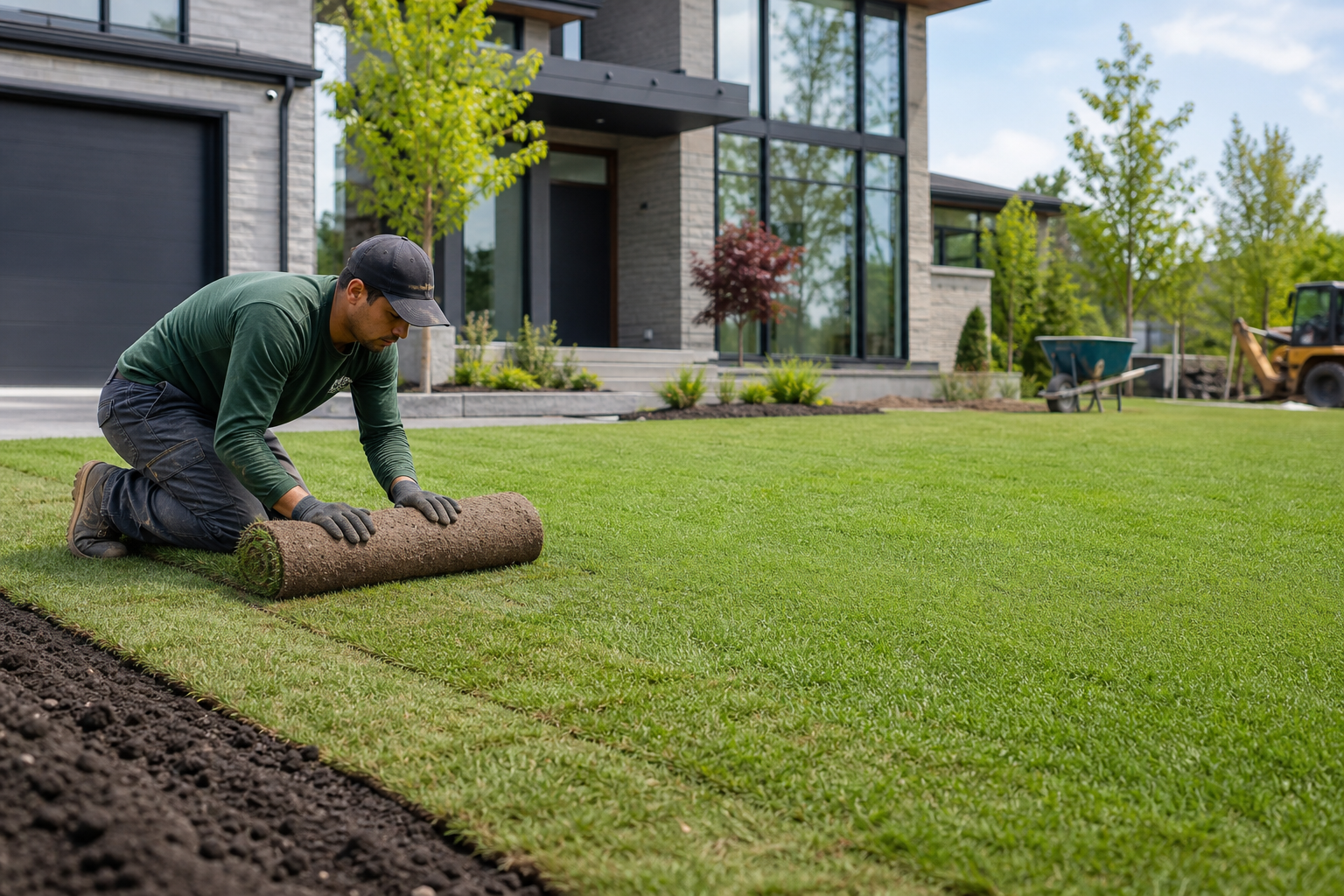
New lawn finishing after construction for Mississauga and the GTA
What new lawn finishing after construction means and why it matters
"New lawn finishing after construction" describes the set of site-preparation and establishment tasks that turn a construction site into a long-lasting lawn. It covers final debris removal, compaction relief, regrading and shaping, topsoil replacement, edging and material selection, and the final choice of sod or seed with its first-season care. Starting this work correctly matters because poor preparation commonly produces thin turf, drainage problems, and repeated repairs after the lawn appears to establish.
Authoritative turf resources recommend beginning lawn establishment only after construction activities have stopped and after any removed topsoil has been returned or prepared for reuse. See Penn State Extension for an overview of lawn establishment steps during site handover and planning for topsoil replacement. When new sod is placed over compacted or poor material the result may look acceptable for a short time but fail quickly, a practical point reinforced by local sod-installation guidance for the GTA. National guidance notes that seeded lawns are especially vulnerable to competition in the first year, so seed-based plans need careful site readiness and follow-up care; consult these resources for the technical rationale and field examples: Penn State Extension: Lawn Establishment, EverGreenz: Sod installation in the GTA, and Canada.ca: Starting a lawn.
Core tasks included in finishing after construction
At a practical level, new lawn finishing after construction includes these core tasks. Each item is a common line on a landscape contractor's scope of work.
- Site cleanup and debris removal, including concrete, nails, asphalt, and construction spoil.
- Compaction relief by mechanical means to restore pore space and rootable soil depth.
- Regrading and finished grade establishment to ensure positive drainage away from structures.
- Topsoil replacement and blending with existing soil to reach a proper planting depth.
- Edge control and final shaping along walkways, driveways, and planting beds.
- Irrigation or temporary watering plans for establishment and erosion control.
- Selection of sod or seed based on site readiness, speed of use, and long-term management.
These tasks are the difference between a lawn that performs through freeze, thaw, and summer heat, and a lawn that needs patching the next season. A qualified contractor will itemize each task in a written quote and show how it reduces future failure risk.
Task details: what each step actually involves
Site cleanup and contamination checks
Remove all construction debris, old root masses, concrete, and compacted rubble before any grading or topsoil work. Where imported fill was used, ask the contractor about visible contaminants or foreign material. The presence of rocks and building rubble increases the likelihood that mechanical removal and new topsoil will be required before planting.
Compaction relief and mechanical remediation
Heavy equipment compacts soil and reduces pore space important for roots and drainage. Typical remediation uses a core aerator for light compaction and a ripping or rototilling pass for heavily compacted zones. Mechanical remediation restores rootable depth and improves infiltration, both vital for long-term turf health.
Regrading and finished grade
Grades must move water away from the foundation and prevent ponding. A finished grade plan sets slopes for surface runoff and coordinates with driveways and walkways. Contractors often provide a simple grade sheet showing finished elevations and confirm changes with a short written plan.
Topsoil depth and composition
Topsoil should be noncontaminated, weed free, and deep enough to support turf root systems. If topsoil was removed during construction and stockpiled, it should be inspected and reused where possible. Where stockpiled topsoil is unavailable or poor, new screened topsoil is placed and blended into existing soil to create consistent planting depth across the site.
Edge control, compacted edges, and hardscape transitions
Final edging creates a clean line between lawn and hardscape. Strong edge control reduces grass encroachment and makes mowing and maintenance predictable. On high-traffic transitions, contractors will install a compacted base or edging material to protect the lawn edge.
Irrigation and temporary watering
New turf requires frequent initial watering. Contractors will set a temporary watering plan or check any existing irrigation for head coverage and run times. In many cases a short-term manual watering program is used until the lawn is fully established.
Sod or seed selection and first-season care
Choose sod for speed and immediate erosion control, and seed for cost efficiency when the site is well prepared and follow-up care is reliable. Both need fertilization, mowing at the correct height, and irrigation schedules tailored to Ontario's seasonal patterns.
How construction damage and compaction change the plan
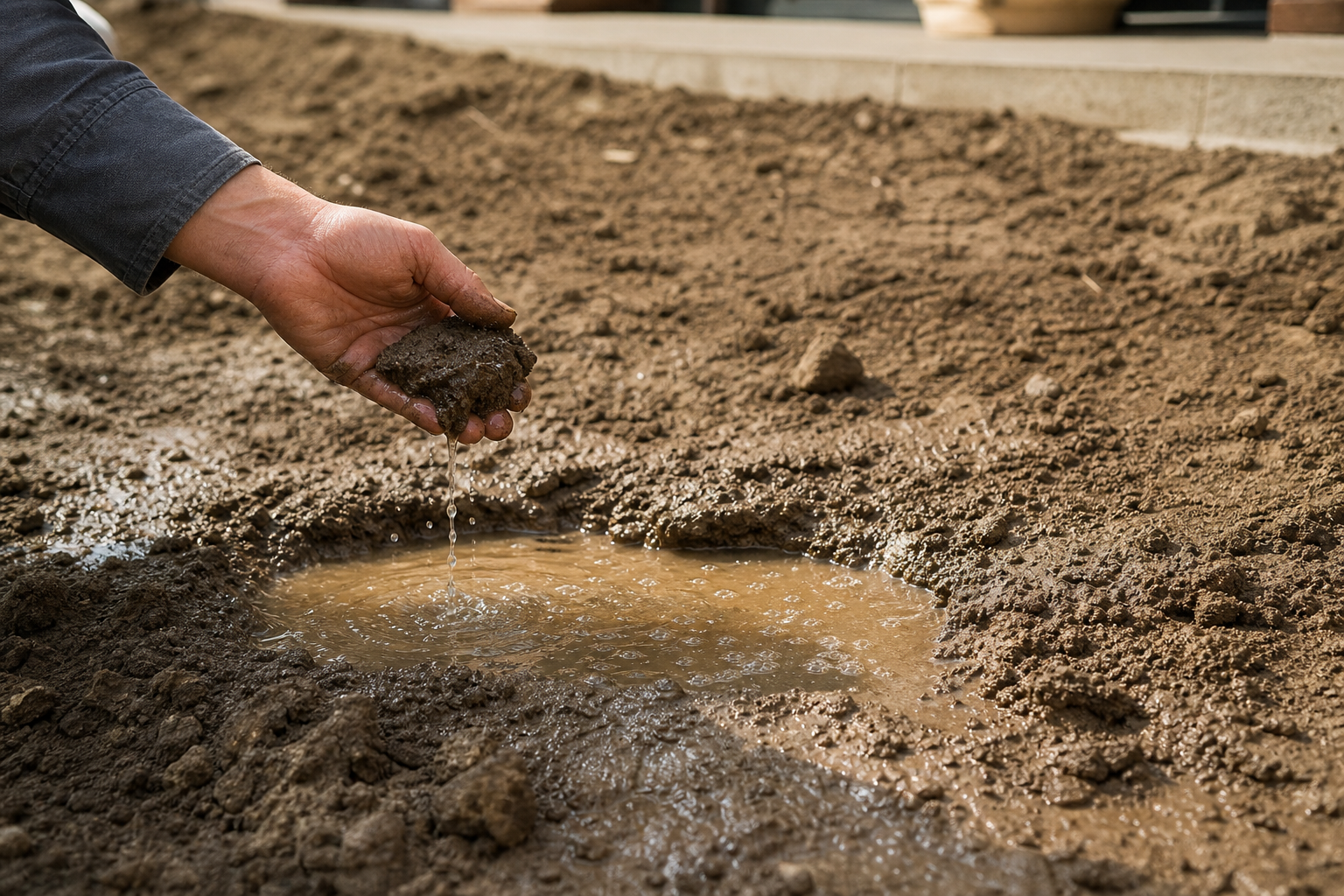
Construction activities often dictate a different approach than a standard lawn renovation. Heavy compaction, stockpiled materials, or unknown imported fill require mechanical remediation, deeper topsoil placement, or even soil testing. Local guidance for sod installers warns that laying new turf over hard soil, weeds, rocks, or uneven ground can produce only short-lived results; remediation is a cost that protects long-term performance. See the EverGreenz guide for practical examples and recommended remedial steps. Formal remediation steps are commonly documented as part of a contractor's scope on sites with heavy equipment traffic, and Penn State Extension recommends deferring final lawn establishment until site work and grading are complete to avoid rework.
Sod versus seed after construction: decision criteria
Use these criteria to decide whether to seed or install sod after construction.
- Site readiness
- Speed and use
Note: The two list items above were intentionally concise; use the decision criteria below in full context. Sod provides instant cover and allows faster foot traffic, which is helpful for occupied homes or erosion-prone slopes. Seed is more vulnerable to weed competition in the first season, a concern noted in national lawn-starting guidance. If weeds are prevalent, sod or thorough weed control improves success. Sod has higher material costs but lower short-term labour for establishment; seed is lower cost but needs close watering and more follow-up work. For a technical comparison and local considerations, review Canada.ca: Starting a lawn and EverGreenz: Sod installation in the GTA to understand vulnerability and practical trade-offs in the GTA climate.
Seasonal timing for the GTA and what to expect during establishment
Ontario's seasonal windows affect establishment success. For cool-season turf blends commonly used across the GTA, the best seed windows are early fall and late spring when temperatures and moisture favour germination. Sod installation is more flexible but performs best when temperatures are moderate and irrigation is available. National guidance on starting a lawn explains the vulnerability of seed in its first year and why timing matters for moisture and competition control. Local sod guides for the GTA also offer practical timing advice for installers in our climate. For project planning in Mississauga, consult HR Greenroots Landscaping's lawn replacement planning resources to align schedule and material choices with local conditions.
Red flags that mean call a professional
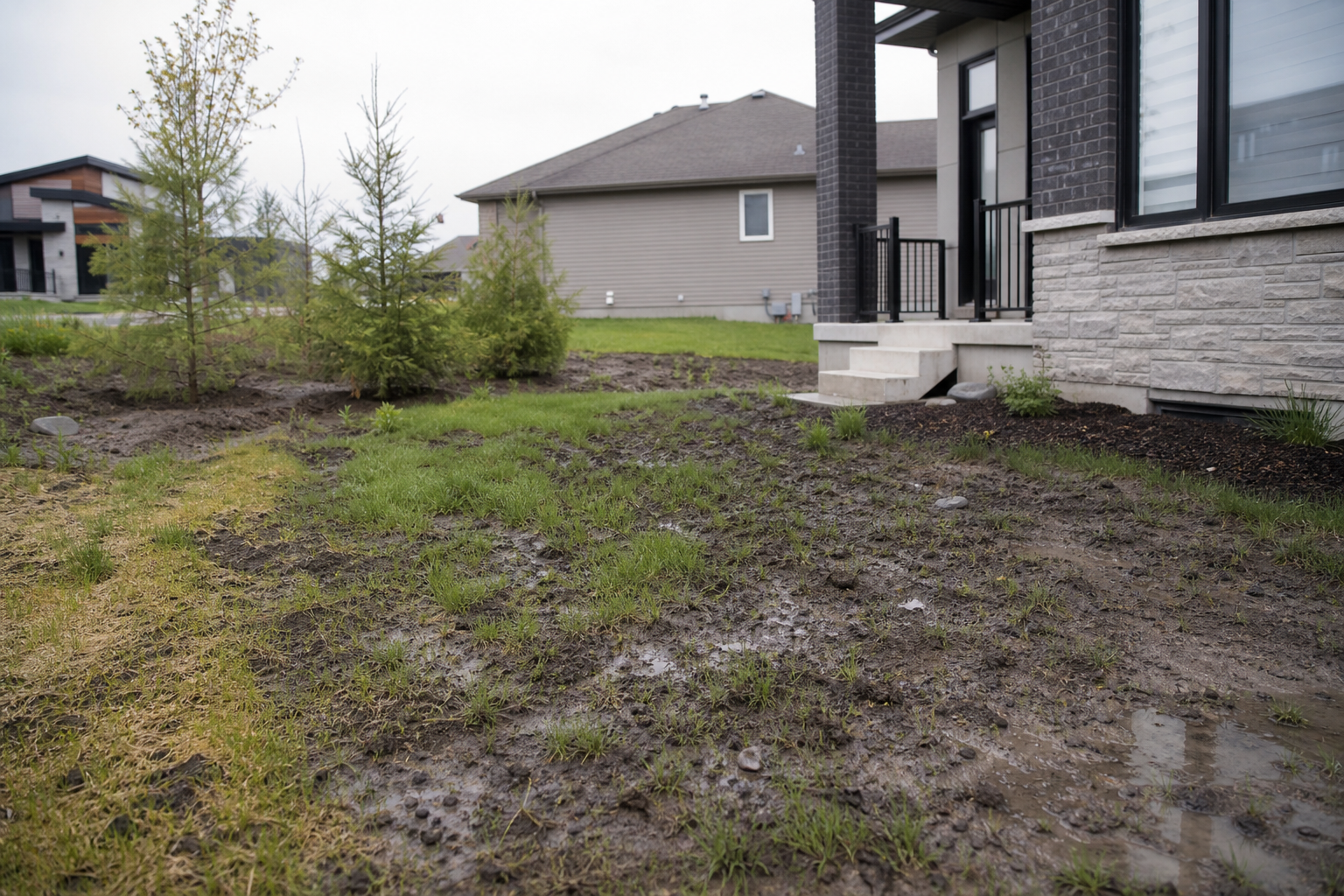
Some conditions commonly cause DIY finishing to fail and usually require professional equipment or engineering attention.
- Persistent ponding after rainfall or runoff that suggests failed drainage.
- Unknown or likely contaminated fill material, such as construction rubble or chemical residue.
- Severe compaction where an aerator will not restore rootable depth.
- Active slope movement or soil slippage that may need engineered retaining solutions.
- Restricted access that prevents standard equipment and requires specialized crews or staging.
When you see these signs, a landscape contractor can perform soil testing, mechanical remediation, and engineered fixes for drainage and retention. For examples of projects that combine grading, sod installation, and long-term maintenance, view HR Greenroots Landscaping services and case studies.
What to expect from an on-site assessment and contractor checklist
During an on-site assessment the contractor should inspect and document these items and include them in a written quote.
- Soil depth and visible soil quality, with recommendations for topsoil replacement where needed.
- Compaction assessment and proposed mechanical remediation, such as ripping or deep tillage.
- Finished grade sketch and any required drainage corrections or tie-ins to existing drainage systems.
- A materials list for topsoil, sod or seed blend, edging, and any erosion-control measures.
- An establishment plan covering irrigation, first-season mowing heights, and watering schedule.
- Timeline and staging for heavy equipment, deliveries, and site access requirements.
A professional estimate should be written and itemized so you can compare contractors fairly. For examples of different service options and to review installation methods, see HR Greenroots Landscaping's lawn replacement methods.
Local rules and safety notes for Mississauga homeowners
Before major grading or driveway changes check local municipal rules and permit requirements. Mississauga provides guidance on when building permits may be needed and publishes planting and landscape details that sometimes affect boulevard work and planting near municipal infrastructure. Contact the City of Mississauga or review their planting notes for specific restrictions before beginning heavy grading or public right-of-way work.
Homeowner pre-install checklist to speed the process
Prepare these items before the contractor arrives to streamline the project and avoid delays.
- Clear the site of household items and small debris and mark buried lines or irrigation heads.
- Provide safe parking and an equipment staging area if possible.
- Document areas you want preserved, such as mature trees or garden features.
- Prepare a list of questions for the estimator about compaction remediation, topsoil source, and first-season care.
- Confirm who will water the lawn during establishment and whether temporary irrigation is required.
Frequently asked questions
How soon after construction should I finish my lawn?
Final lawn finishing should begin after all construction traffic and trades have left the site and after any disturbed topsoil has been returned or replaced. If grading, paving, or heavy deliveries are still expected, wait until site work is complete to avoid rework and compaction problems.
Can I lay sod over compacted fill or existing debris?
Installing sod over compacted fill or debris is likely to produce short-lived results. Proper removal of debris and mechanical remediation or new topsoil placement is recommended to give sod a durable rooting medium. Local sod installation guidance warns against placing sod over poor substrates without correction.
How long before I can walk or mow a newly installed lawn?
For sod, light foot traffic is usually allowed within a week once roots have made contact with the soil, but follow your installer's specific advice. Mowing typically begins when grass reaches the recommended height for the chosen variety. Seeded lawns require longer and more careful first-season management to avoid disturbance.
Is seeding ever a good option after heavy construction in the GTA?
Seeding can be appropriate if the site is well prepared, drainage is correct, and you can commit to frequent watering and weed control. Because seeded turf is vulnerable in its first year, many post-construction sites favour sod for speed and erosion control unless budget or access constraints favour seed.
What should I ask a landscape contractor during an on-site assessment?
Ask the estimator about soil depth and source, planned compaction remediation, finished grade plan, proposed topsoil specification, irrigation or watering plan, establishment guarantees, and an itemized timeline and written quote for each task.
HR Greenroots Landscaping can perform on-site assessments, grading, and sod installation across Mississauga and the GTA. For examples of lawn replacement methods and to request a quote, review our lawn replacement methods resource and schedule a consultation.


